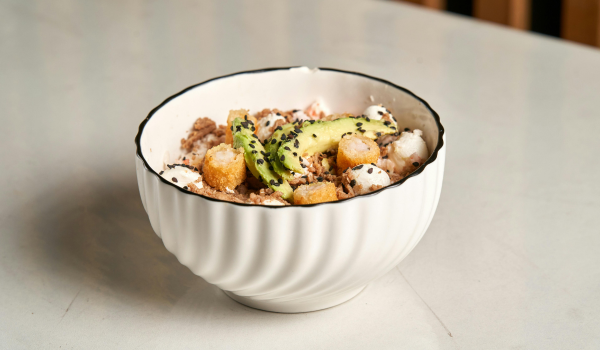
If you’re like most adults, you’re probably not getting enough fiber each day. And while fiber supplements may seem like an easy solution for digestion and bowel regularity, many nutrient-dense whole foods can provide equal—or even better—benefits. Dietitians recommend incorporating the following high-fiber foods into your routine before turning to supplements.
Chia Seeds
why they’re a great fiber source
A small serving of chia seeds delivers a substantial amount of fiber, along with omega-3 fatty acids that support heart and brain health. They also provide calcium, magnesium, and plant-based protein, making them a multifunctional nutrient booster.
Lentils
nutrient-rich and versatile
Lentils offer a strong combination of fiber and plant protein. They’re also packed with B vitamins, iron, and potassium, making them an ideal carbohydrate choice that supports energy, metabolism, and overall wellness.
Black Beans
fiber, protein, and gut-friendly starch
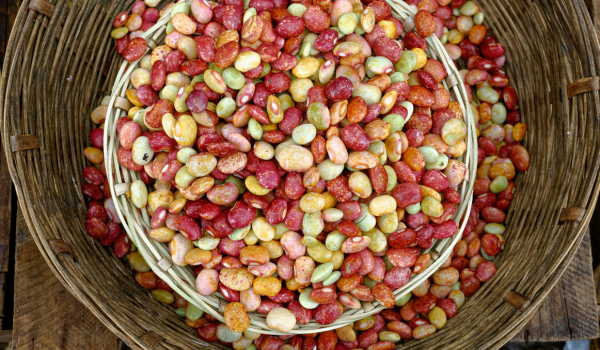
Black beans supply fiber, resistant starch, and essential minerals like iron and magnesium. Resistant starch acts like a prebiotic by feeding beneficial gut bacteria. Diets rich in beans are associated with improved heart health and longevity.
Avocado
healthy fats and steady energy
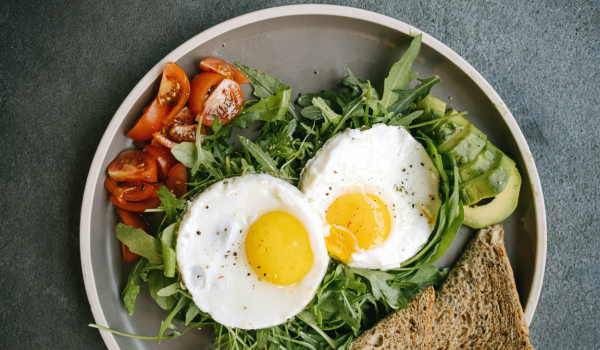
Avocados contain fiber along with heart-healthy fats, potassium, folate, vitamin E, and antioxidant carotenoids. The combination of fat and fiber supports satiety, balanced blood sugar, and digestive health.
Raspberries
rich in antioxidants and soluble fiber
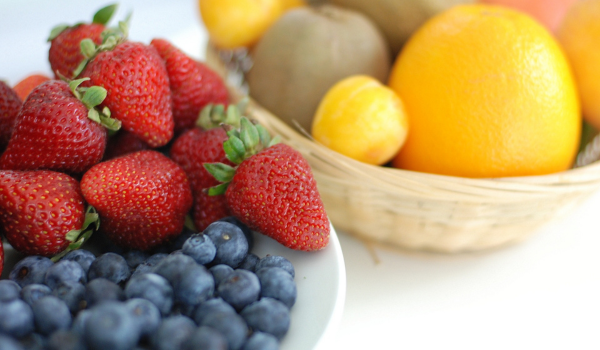
Raspberries offer vitamin C, polyphenols, and pectin—a soluble fiber that forms a gel-like texture in the gut. Pectin can support cholesterol management and help regulate blood sugar levels.
Edamame
fiber + complete plant protein
Edamame provides fiber and a significant amount of complete protein. It is also one of the richest plant-based sources of phytoestrogens, compounds that may help reduce cardiovascular risk and support women experiencing hot flashes.
Oatmeal
soluble fiber for fullness and glucose control
The soluble fiber in oats slows digestion, promotes satiety, and has been shown to help lower cholesterol and support balanced blood sugar. Oats also supply magnesium, zinc, copper, and B vitamins.
Sweet Potato
fiber and immune-supporting nutrients
Sweet potatoes offer fiber along with vitamins A and C, potassium, and resistant starch. These nutrients support gut integrity, immune function, and sustained energy.
Almonds
fiber and heart-healthy fats
Almonds provide fiber, vitamin E, magnesium, and plant protein. They help promote fullness and support healthy cholesterol levels as part of a balanced diet.
Pistachios
fiber, protein, and weight-friendly calories
Pistachios contain fiber, complete protein, and valuable nutrients such as vitamin B6, thiamin, copper, and phosphorus—all at a relatively low calorie count for a nut. They can support weight management and metabolic health when consumed mindfully.
When Food May Be Enough—And When It Might Not Be
Most people can meet their daily fiber needs—about 28 grams per 2,000 calories—through whole plant foods. These foods offer fiber along with vitamins, minerals, antioxidants, phytonutrients, healthy fats, and protein, making them more beneficial than supplements alone.
However, some individuals may still require a fiber supplement. This may be the case for those with conditions affecting the intestines, such as constipation, diarrhea, or irritable bowel syndrome. Supplements may also help with managing cholesterol or blood sugar. A healthcare provider can help determine what’s appropriate for your situation.
How To Incorporate These Foods Into Your Routine
Getting enough fiber takes intention, but simple daily habits can help:
-
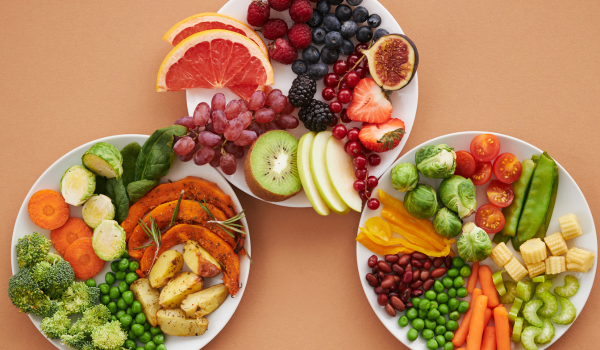
Fill half your plate with fruits and vegetables at each meal.
-
Try breakfasts like overnight oats, chia pudding, avocado toast, or baked sweet potato with almond butter.
-
Add chia seeds or raspberries to yogurt, oatmeal, or salads.
-
Swap part of the meat in your recipes for lentils or beans.
-
Snack on pistachios or almonds, or toss them into salads.
-
Blend crushed pistachios into sauces like pesto.
-
Add avocado to sandwiches, wraps, tacos, smoothies, or baked dishes.

.png)







.png)
.png)
.png)
.png)
.png)
.png)
.png)
.png)
.png)
.png)
.png)
.png)
.png)
.png)


.png)
.png)
.png)
.png)
.png)
.png)