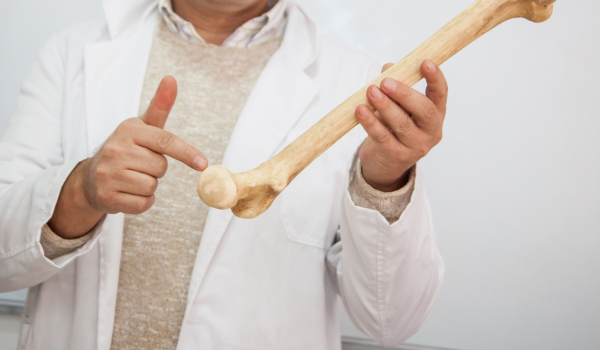
Bone health plays an essential role in strength, mobility, and balance. As people age, bones naturally lose density, increasing the risk of osteoporosis—a condition that weakens bones and makes them more prone to fractures.
Bone density refers to the amount of minerals, such as calcium, stored within bone tissue. Higher bone mineral density means stronger bones that are less likely to break. Fortunately, bone loss can often be slowed or prevented through proper nutrition, movement, and lifestyle habits. In some cases, medical treatment may also be necessary.
Below are evidence-based strategies that support stronger bones at every stage of life.
Increase Your Calcium Intake
Why calcium matters
Calcium is one of the most important minerals for maintaining bone strength. It helps build and maintain bone structure and supports muscle function and nerve signaling.
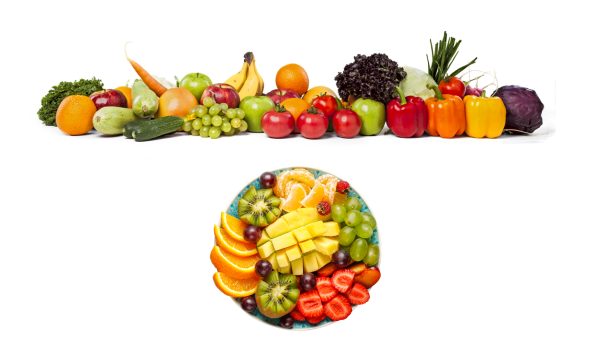
Calcium-rich foods include dairy products, leafy greens such as kale and spinach, almonds, and fatty fish like salmon. Research shows that combining calcium with vitamin D may help reduce fracture risk, especially in postmenopausal women.
Recommended intake
Women aged 51 and older typically need about 1,200 milligrams of calcium daily. Men aged 51 and older generally need around 1,000 milligrams per day. Many people do not meet these recommendations through food alone.
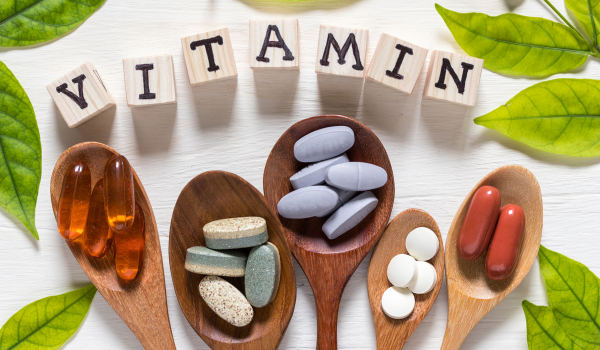
Experts often recommend supplementing with 400–800 milligrams daily if dietary intake is low. However, excessive calcium intake may increase the risk of kidney stones or cardiovascular problems. Always consult a healthcare provider before starting supplements.
Supplement With Vitamin D
Why vitamin D is essential
Vitamin D helps the body absorb calcium and supports muscle and immune function. Low vitamin D levels are linked to weaker bones and increased fracture risk.
Vitamin D comes from sun exposure, certain foods such as fatty fish and fortified products, and supplements. Many adults have insufficient levels, particularly those with limited sun exposure.
Recommended intake
Adults aged 51–70 typically need 600 IU daily, while those over 70 need about 800 IU. Research suggests that doses between 700–800 IU per day may help reduce fracture risk more effectively than lower amounts.
Because needs vary by individual, it's best to discuss supplementation with a healthcare provider before starting.
Eat More Protein
How protein supports bone health
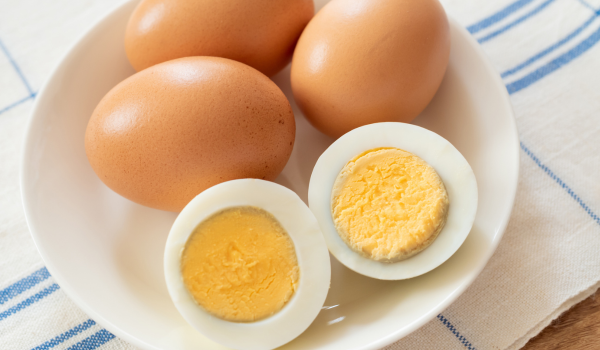
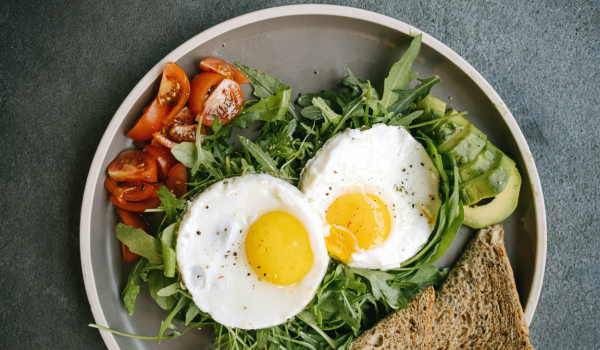
Protein plays a critical role in maintaining bone mass and supporting muscle strength. Adequate protein intake helps protect against bone loss, especially when paired with sufficient calcium intake.
Some studies suggest that animal-based proteins may offer stronger bone-supporting benefits than plant proteins, although more research is needed.
Protein is also essential for preventing sarcopenia—age-related muscle loss—which can increase the risk of falls and fractures.
A registered dietitian or healthcare provider can help determine your ideal daily protein intake.
Engage In Resistance Training
Why strength training matters
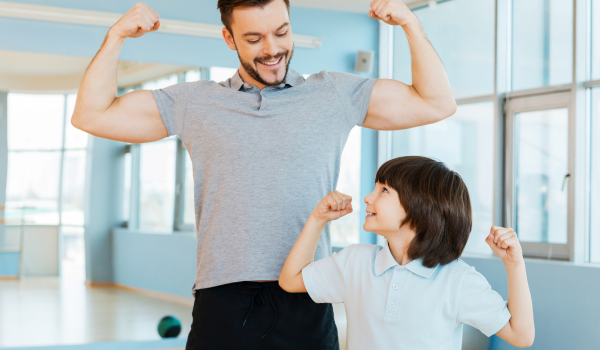
Resistance exercises, such as lifting weights or using bodyweight movements, stimulate bone growth by placing stress on the skeletal system. This encourages bones to adapt and become stronger.
Studies show resistance training is one of the most effective ways to improve bone density in older adults, including postmenopausal women.
Combining resistance training with other forms of movement may offer even greater bone-strengthening benefits.
Maintain A Healthy Weight
Weight and bone health
Being underweight increases the risk of bone loss and fractures, while excess weight can increase fall risk. Maintaining a healthy weight helps protect both bones and joints.
A balanced lifestyle that includes nutrient-rich foods, regular physical activity, and limited alcohol intake supports long-term bone health.
A healthcare provider can help determine a healthy weight range and suggest appropriate lifestyle changes.
Take Part In Weight-Bearing Aerobic Exercise
Why movement matters
Weight-bearing activities force your bones to work against gravity, which helps stimulate bone growth. Examples include walking, dancing, jogging, stair climbing, and hiking.
While walking helps slow bone loss, it may not significantly increase bone density on its own. Combining aerobic movement with strength training produces better results.
Improve Your Balance
Reducing fall risk
Balance exercises reduce the risk of falls, which are a leading cause of fractures. Improving stability becomes increasingly important with age.
Helpful balance exercises include:
-
Lunges or step-ups
-
Tai chi, which enhances balance and flexibility
-
Standing on one foot or shifting body weight slowly
-
Practicing movement on slightly unstable surfaces
Studies show that balance training can reduce fall risk by nearly 50% and significantly lower hip fracture risk.
Populations At Risk For Low Bone Density
Certain groups are more vulnerable to bone loss, including postmenopausal women—particularly those of Asian or Caucasian descent. Approximately one in five women over 50 experience osteoporosis, compared to one in 20 men.
Additional risk factors include:
-
Family history of osteoporosis
-
Diets low in calcium, protein, or vitamin D
-
High intake of processed foods, sodium, or added sugars
-
Long-term use of certain medications, such as antidepressants or acid-reducing drugs
-
Smoking or excessive alcohol use
Anyone, regardless of age or gender, can develop low bone density.
When To See A Healthcare Provider
Warning signs to watch for
You should consult a healthcare provider if you notice:
-
A decrease in height
-
Changes in posture or balance
-
Weakness or loss of muscle strength
A bone density scan, called a DXA scan, can determine whether you have low bone density or osteoporosis. This test compares your bone density to that of healthy individuals of the same age and sex.
Final Thoughts
Building and maintaining strong bones requires a combination of proper nutrition, regular movement, and healthy lifestyle habits. While aging naturally affects bone density, proactive steps can significantly reduce the risk of fractures and improve long-term mobility and independence.
Consistent habits today can help protect your bones for years to come.


.png)

.png)

.png)








.png)
.png)

.png)
.png)
.png)