Modern life constantly tells people when and what to eat. Advertisements, social media, and even workplace routines send powerful food messages that can drown out the body’s own signals. At the same time, internal hunger and fullness cues are still active, quietly guiding energy needs and digestion. Understanding how these two forces compete helps explain why eating decisions often feel confusing and why reconnecting with internal cues can improve long-term health.
How The Body Generates Internal Eating Signals
Hunger And Satiety Hormones
Internal cues begin with hormones that regulate appetite. Ghrelin increases when the body needs energy and decreases after eating, while leptin communicates longer-term energy balance and fullness. These hormones interact with insulin, cortisol, and other chemical messengers that respond to sleep, stress, and physical activity. Together, they form a biological system that signals when food is needed and when intake should slow down.
These signals are not sudden commands. Hunger usually builds gradually, showing up as reduced concentration, light stomach sensations, or a subtle drop in energy. Fullness also develops over time as the digestive system processes nutrients and the brain receives feedback. When internal cues are followed consistently, eating tends to match actual energy requirements rather than external expectations.
Brain Interpretation Of Body Needs
The brain integrates hormonal messages with sensory input from the stomach and intestines. Stretch receptors detect volume, while nutrient sensors respond to protein, fat, and carbohydrates. This information reaches the hypothalamus, which helps regulate appetite and energy use. Over time, this system learns from patterns, such as typical meal timing and usual portion sizes.
Internal cues are flexible and adaptive. After a physically demanding day, hunger may appear stronger and earlier. After a day of low activity, hunger may be lighter. This variability is a strength of the system, allowing food intake to match real conditions instead of fixed rules.
The Power Of External Food Signals
Visual And Environmental Triggers
External food signals often come from sight and smell. Seeing baked goods in a store window or smelling fried food in a restaurant can stimulate appetite even when the body is not hungry. These cues activate reward pathways in the brain, releasing dopamine and creating a desire to eat based on pleasure rather than need.
Portion sizes also shape perception. Large plates and oversized packaging make bigger servings appear normal. When people rely on visual cues rather than internal sensations, they may eat more simply because food is present and accessible. This effect is especially strong in social settings, where shared eating can encourage longer meals and additional servings.
Cultural And Social Expectations
Meal timing is often shaped by work schedules and family routines rather than hunger. Lunch may occur at noon because it is designated as lunchtime, not because the body signals a need for energy at that moment. Celebrations and social events further reinforce eating for reasons unrelated to physical hunger, such as tradition or emotional connection.
Advertising intensifies these pressures. Marketing links food to comfort, excitement, and status, creating emotional associations that compete with biological signals. When food is presented as a solution to boredom or stress, the brain learns to seek it even when energy stores are sufficient.
Where Internal And External Signals Clash
Conflicting Messages In Daily Life
Internal cues may say the body is satisfied, while external cues suggest more eating. A person may feel full after a meal but continue because dessert is offered or because others are still eating. Over time, repeated overrides of fullness can weaken awareness of satiety, making it harder to recognize when enough food has been consumed.
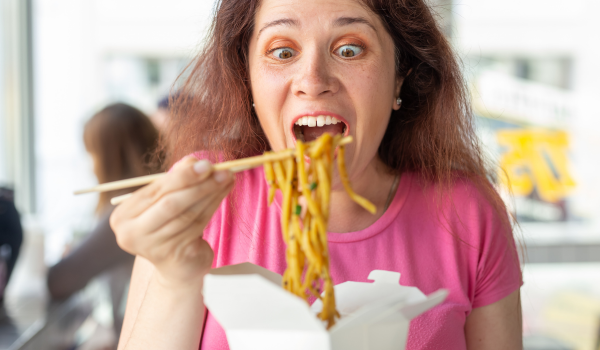
Hunger can also be suppressed by external demands. Busy schedules may delay meals despite rising internal hunger. When eating finally occurs, hunger may be intense, leading to faster eating and reduced sensitivity to fullness. This pattern can create cycles of restriction and overeating that are driven more by environment than biology.
Emotional Eating Versus Physical Hunger
Emotional states can blur the line between internal and external signals. Stress and fatigue alter hormone levels, increasing the appeal of high-energy foods. At the same time, emotional discomfort can mimic hunger sensations, leading to eating that addresses feelings rather than nutritional needs.
Physical hunger tends to be specific and gradual, while emotional eating is often sudden and tied to certain foods or situations. When external cues dominate, these differences become harder to detect. People may respond automatically to stress with food because external habits have replaced internal awareness.
Strategies To Strengthen Internal Awareness
Slowing Down Eating Behavior
Eating more slowly gives internal signals time to register. Satiety hormones take several minutes to affect the brain, so rapid eating can bypass these cues. By pausing between bites and paying attention to texture and flavor, people allow the body to communicate fullness before excess intake occurs.
Creating Supportive Food Environments
Reducing exposure to constant food cues can help internal signals regain influence. Keeping nutritious foods visible and limiting highly stimulating snack displays shifts attention toward choices that support real hunger. Planning meals around likely hunger times rather than strict clocks also helps align environment with physiology.
Practicing Hunger And Fullness Checks
Briefly assessing hunger before eating and fullness during a meal encourages reflection rather than automatic response. Rating hunger on a simple scale can reveal whether the urge to eat comes from physical need or external influence. Over time, this practice rebuilds trust in internal sensations.
Separating Emotional Needs From Nutritional Needs
Recognizing when food is being used to cope with stress or boredom opens space for alternative responses, such as rest, movement, or conversation. This does not mean avoiding comfort foods entirely but understanding their role in emotional regulation rather than energy balance.
Internal cues and external signals will always coexist. The goal is not to eliminate outside influence but to ensure that biological needs are not consistently ignored. When internal awareness becomes stronger, external messages lose some of their control, allowing eating decisions to reflect both context and true hunger.
Internal hunger and fullness signals are designed to guide energy intake, yet they compete daily with powerful external food messages. By understanding how these forces interact, people can recognize when choices are driven by environment rather than need. Strengthening awareness of internal cues through mindful habits and supportive surroundings creates a more balanced relationship with food. Learn more about your own eating patterns, explore these strategies further, and take action today to reconnect with the signals your body already provides.








.png)
.png)

.png)



.png)
.png)

.png)
.png)
.png)
.png)
.png)
.png)
.png)

.png)
.png)
.png)
.png)
.png)
.png)

.png)
.png)

.png)