.png)
Portion control often feels complicated, especially when it involves measuring cups, food scales, or tracking apps. Many people believe that managing portions requires precision and constant monitoring, which can quickly become overwhelming. In reality, understanding portion sizes does not have to involve measuring everything you eat. With awareness, simple visual cues, and mindful habits, it is possible to eat appropriate portions while still enjoying food and maintaining balance. Learning to recognize natural portion cues helps build a healthier and more sustainable relationship with food.
Why Portion Awareness Matters
Portion sizes influence how much energy and nutrients the body receives.
Supports Balanced Energy Intake
Appropriate portions help maintain steady energy levels.
Prevents Overeating And Undereating
Balanced portions support physical comfort and nourishment.
Encourages Better Digestion
Eating suitable amounts reduces digestive strain.
Supports Long-Term Health Goals
Consistent portion awareness helps maintain overall wellness.
How Portion Sizes Have Changed Over Time
Modern portions often exceed what the body needs.
Larger Serving Sizes Have Become Common
Many meals today are bigger than necessary.
Visual Cues Influence Perception
Large plates and packaging can distort portion awareness.
External Cues Replace Internal Signals
People often eat based on availability rather than hunger.
Awareness Helps Restore Balance
Recognizing portion distortion supports healthier choices.
Understanding Your Body’s Natural Hunger Cues
Your body provides signals to guide portion sizes.
Hunger Develops Gradually
True hunger builds slowly rather than suddenly.
Fullness Signals Take Time
It takes time for the body to recognize fullness.
Comfort Is A Better Indicator Than Fullness
Stopping when comfortably satisfied supports digestion.
Listening Improves Over Time
Awareness strengthens with practice.
Visual Ways To Estimate Portions Without Measuring
Simple visual cues can replace measuring tools.
Use Your Hand As A Guide
Your palm, fist, and thumb provide helpful references.
Plate Balance Method
Filling half the plate with vegetables supports balance.
Portion Awareness Through Comparison
Comparing foods to familiar objects helps estimation.
Consistency Matters More Than Precision
Approximate portions are effective long term.
How Meal Composition Influences Portion Size
What you eat affects how much you need.
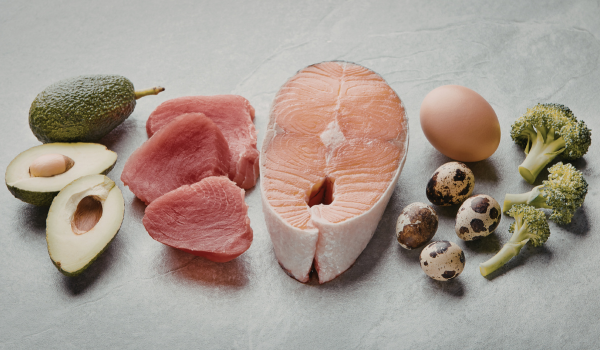
Protein Promotes Fullness
It helps control appetite and satisfaction.
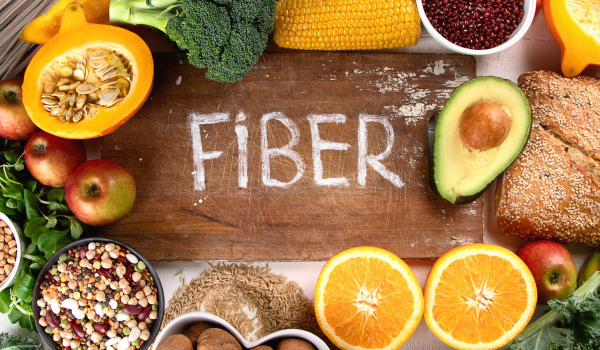
Fiber Slows Digestion
It increases fullness and comfort.
Healthy Fats Enhance Satisfaction
Fats help meals feel complete.
Balanced Meals Reduce Overeating
Combination meals improve portion control.
The Role Of Eating Pace In Portion Control
Speed plays a key role in portion awareness.
Eating Slowly Supports Fullness Signals
The body needs time to register satisfaction.
Mindful Eating Enhances Awareness
Noticing textures and flavors improves satisfaction.
Pausing During Meals Helps Awareness
Short pauses allow hunger cues to surface.
Rushing Can Lead To Overeating
Speed often overrides natural fullness cues.
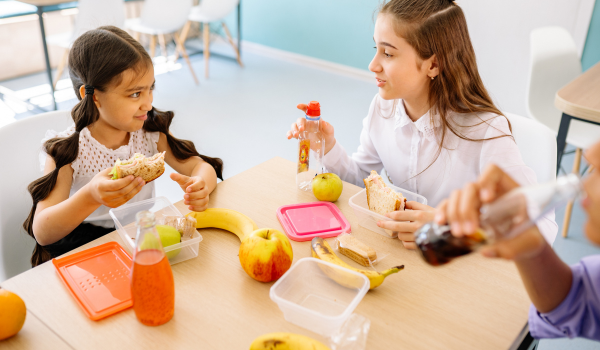
How Environment Affects Portion Perception
Your surroundings influence how much you eat.
Plate Size Influences Portions
Larger plates encourage larger servings.
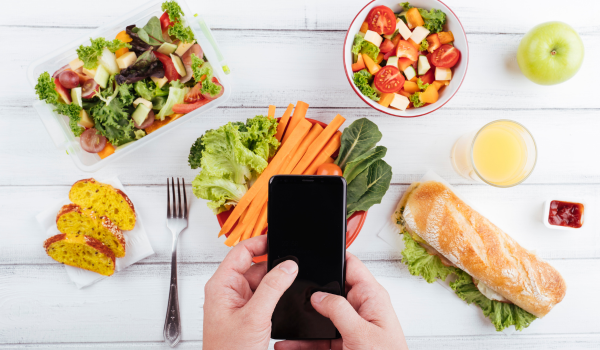
Distractions Reduce Awareness
Eating while distracted leads to overeating.
Food Availability Shapes Intake
Visible food increases consumption.
Creating A Calm Eating Space Helps
A relaxed environment supports mindful eating.
Learning To Stop Eating Without Guilt
Stopping at satisfaction is a skill.
Fullness Is Not A Requirement
Eating until stuffed is unnecessary.
Leaving Food Is Not Wasteful
Listening to your body is valuable.
Comfort Matters More Than Completion
Finishing a plate is not always needed.
Self-Trust Builds Over Time
Confidence grows with practice.
How Portion Awareness Supports Long-Term Health
Balanced portions contribute to overall well-being.
Supports Digestive Comfort
Appropriate portions reduce discomfort.
Helps Maintain Stable Energy Levels
Avoids energy highs and crashes.
Encourages Balanced Nutrition
Supports consistent nutrient intake.
Promotes Sustainable Eating Habits
Consistency supports long-term health.
Portion Awareness Without Restriction
Portion awareness does not mean restriction.
Flexibility Is Key
Occasional larger portions are normal.
Listening To Your Body Matters Most
Internal cues guide intake.
Enjoyment Supports Balance
Pleasure enhances satisfaction.
Consistency Outweighs Perfection
Daily habits matter more than single meals.
Practical Ways To Practice Portion Awareness Daily
Simple habits support awareness.
Pause Before Eating
Check in with hunger levels.
Serve Food Intentionally
Avoid eating directly from packages.
Eat Without Distractions When Possible
Focus improves awareness.
Reflect After Eating
Notice how your body feels.
How Portion Awareness Improves Your Relationship With Food
Understanding portions supports a healthier mindset.
Reduces Food Anxiety
Confidence replaces worry.
Encourages Trust In Your Body
Listening builds self-trust.
Supports Enjoyment Of Food
Enjoyment increases satisfaction.
Creates Long-Term Balance
Balance supports sustainability.
Building Sustainable Eating Habits
Long-term success comes from consistency.
Start With Small Adjustments
Small changes add up.
Be Patient With Progress
Habits take time to form.
Adapt To Your Lifestyle
Flexibility supports success.
Focus On How You Feel
Your body provides valuable feedback.
Conclusion
Understanding portion sizes does not require measuring cups or strict rules. By tuning into your body’s hunger and fullness cues, using simple visual guides, and creating supportive eating environments, you can build a balanced approach to eating. Portion awareness encourages comfort, satisfaction, and long-term well-being without pressure or restriction. When you learn to trust your body, healthy eating becomes simpler, more intuitive, and far more sustainable.


.png)
.png)
.png)
.png)
.png)

.png)
.png)
.png)
.png)
.png)
.png)
.png)


.png)
.png)
.png)
.png)
.png)
.png)

.png)
.png)

.png)