

Many people want to eat well, but the process can feel overwhelming. Endless nutrition headlines, conflicting advice, calorie tracking apps, and social media opinions can make even simple food decisions feel complicated. Instead of enjoying meals, people often stress about what they “should” or “shouldn’t” eat. The truth is that healthy eating does not require perfection or constant analysis. Understanding food choices in a relaxed and practical way can help you stay nourished without exhaustion, confusion, or guilt.
Why Overthinking Food Makes Eating More Difficult
Trying too hard to control every choice can take the joy out of eating.
Too Much Information Creates Confusion
Nutrition science evolves constantly, and advice often conflicts.
Food Judgment Sparks Anxiety
Labeling foods as “good” or “bad” can make every meal feel like a test.
Obsessing Over Rules Leads To Fatigue
Decision-making uses mental energy and increases stress.
Overthinking Disconnects You From Your Body
Relying on rules drowns out hunger cues, cravings, and real needs.
Simplifying your approach frees your mind and supports better decisions.
Letting Go Of Perfection And Embracing Flexibility
Food choices do not need to follow strict rules every day.
Perfection Does Not Equal Health
Long-term well-being comes from patterns, not flawless meals.
Flexibility Reduces Guilt And Stress
Allowing space for variety supports sustainability.
Life Changes—And Eating Can Adapt
Your needs shift depending on schedule, stress, sleep, and movement.
Balance Matters Far More Than Precision
Most days you can choose nourishing meals, with room for treats and convenience.
Flexibility makes food choices feel supportive rather than restrictive.
Listening To Your Body Instead Of Outside Noise
Your body communicates what it needs—but only if you notice the signals.
Hunger Is A Helpful Guide
It reminds you when your body needs fuel.
Fullness Signals Help You Stop Comfortably
Paying attention prevents overeating without tracking.
Cravings Can Carry Meaning
Sometimes they are emotional; other times physical or nutrient-based.
Energy And Mood Provide Feedback
If a meal leaves you sluggish or energized, that matters more than a nutrition label.
Turning inward helps food feel intuitive rather than stressful.
Using Simple Guidelines Instead Of Strict Rules
You can navigate food choices with ease by focusing on a few key principles.
Include Protein In Most Meals
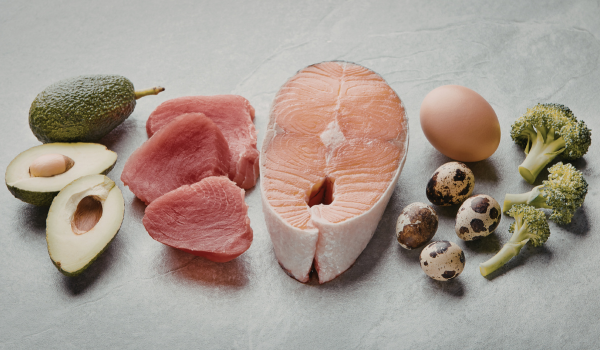
Protein supports satiety and blood sugar stability.
Try To Add Fruits Or Vegetables Often
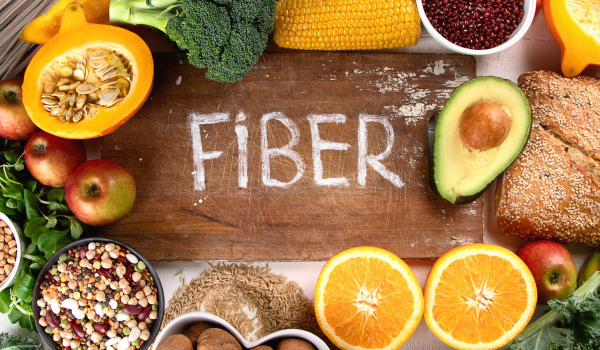
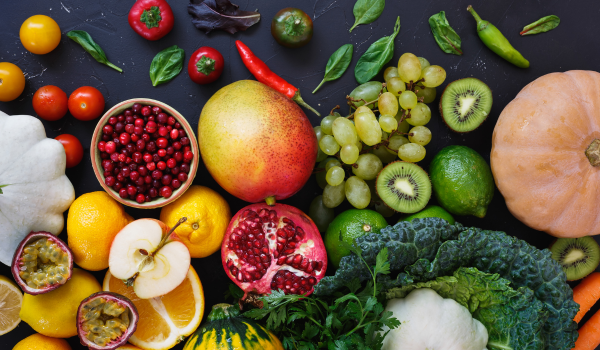
Produce naturally adds vitamins, minerals, and fiber.
Choose Carbohydrates That Sustain Energy
Whole grains and starchy vegetables digest gradually.
Incorporate Healthy Fats For Satisfaction
Seeds, nuts, avocado, and oils keep meals fulfilling.
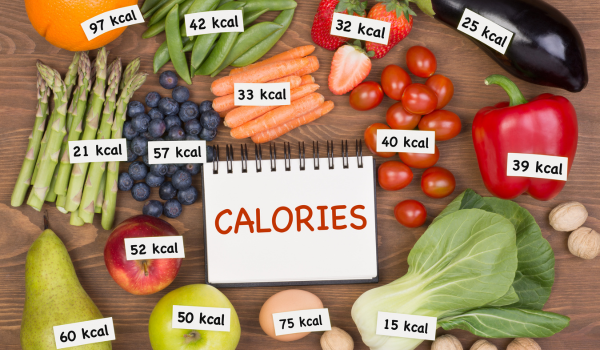
These simple frameworks replace calorie counting or rigid tracking.
Avoiding Comparison And Trusting Your Own Needs
Everyone’s body and lifestyle are different.
What Works For Someone Else May Not Work For You
Age, activity, metabolism, and preferences vary widely.
Social Media Meals Do Not Represent Daily Eating
Highlight reels are created—not typical days.
Your Needs Change Day To Day
Appetite rises with movement, stress, hormones, or sleep changes.
Choosing Based On Personal Experience Builds Confidence
You get better at making choices by paying attention, not by copying others.
Trust your own hunger, history, and rhythm.
Making Food Decisions Easier During Busy Days
Food doesn’t need to be a mental puzzle.
Lean On Simple, Reliable Meals You Enjoy
Repetition is not boring—it supports consistency.
Keep A Few Quick Options Available
Eggs, canned beans, frozen vegetables, and whole grains reduce stress.
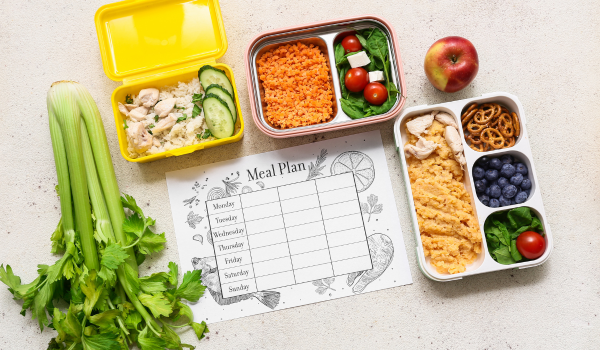
Use Gentle Meal Planning Instead Of Detailed Menus
Think in building blocks—not elaborate recipes.
Pack Snacks Thoughtfully
Fruit, nuts, or yogurt help prevent reactive, last-minute choices.
Practical preparation prevents overthinking before it begins.
Letting Treats Fit Into A Balanced Life
You can enjoy sweets and snacks without losing balance.
Permission Reduces Obsession
When treats are allowed, cravings are calmer.
Satisfaction Comes From Enjoyment—Not Quantity
Mindful eating enhances pleasure while reducing overeating.
Pair Treats With Nourishing Foods When Comfortable
Enjoy dessert after a meal rather than on an empty stomach.
A Single Treat Does Not Negate Nutrient-Dense Meals
Health is cumulative—not a moment-to-moment evaluation.
Treats become just food—not something to fear or avoid.
Paying Attention To How Food Makes You Feel
Tracking numbers isn’t the only way to learn what works for you.
Notice Energy Levels Before And After Meals
This can highlight which foods support your day best.
Observe Digestion Without Judging
Gas, bloating, or discomfort offer clues—not failures.
Check Mood And Focus
Balanced meals support clearer thinking and emotional steadiness.
Adjust Gradually Based On Feedback
Tiny refinements stack up over time.
Your body provides more useful information than a calorie total ever could.
When Convenience Foods Support—Not Sabotage—Health
Convenient options can serve you well when chosen mindfully.
Look For Short Ingredients Lists When Possible
Fewer additives often means food closer to its natural form.
Add Fresh Elements To Simple Foods
A microwaved meal becomes more balanced with vegetables or protein.
Use Convenience As One Tool—Not The Foundation
It helps on busy days without defining your overall habits.
Avoid Letting Pressure Replace Practical Needs
Some nights you need fast fuel—and that is okay.
Convenience and nutrition can coexist.
Making Peace With Imperfect Eating Days
Some days will feel balanced; others won’t—and that is normal.
No Meal Is A Failure
Food serves a physical and emotional purpose.
One Day Does Not Define Your Long-Term Patterns
Habits are built over months and years.
Self-Kindness Encourages Consistency
Beating yourself up creates burnout.
Progress Comes From Showing Up With Patience
Healthy eating is an evolving practice—not a short-term challenge.
Compassion strengthens resilience and supports lasting change.
Conclusion
Understanding food choices without overthinking them begins with letting go of rigidity, tuning into your body’s signals, and trusting your personal needs. Eating well does not require strict rules, perfect meal planning, or constant analysis. By using simple frameworks, embracing flexibility, enjoying food without guilt, and learning from experience, you can nourish your body in a way that feels natural, sustainable, and satisfying. Over time, the less mental energy you spend worrying about food, the more energy you will have to fully live your life.









.png)
.png)

.png)



.png)
.png)

.png)
.png)
.png)
.png)
.png)
.png)
.png)


.png)
.png)
.png)
.png)
.png)
.png)


.png)
.png)

.png)


