
.png)
Many people think of healthy eating in isolated moments—one “good” meal, one “bad” snack, one perfect dinner. In reality, the body does not respond to food in single snapshots. It responds to patterns across the entire day. How you eat in the morning influences your energy in the afternoon, and what you eat earlier often shapes how you feel and eat later.
Understanding why balance matters across the whole day helps remove pressure from individual food choices. Instead of aiming for perfection at every meal, this perspective encourages consistency, flexibility, and awareness. When nourishment is spread thoughtfully across the day, the body stays more stable, comfortable, and resilient.
The Body Functions As A Continuous System
Energy Needs Are Ongoing, Not Isolated
The body constantly uses energy to support movement, thinking, digestion, and emotional regulation. Fuel needs do not reset after each meal—they build and carry forward.
What Happens Earlier Affects What Happens Later
Skipping breakfast may lead to intense hunger by mid-afternoon. A low-fiber lunch may increase cravings later in the day. These responses are not failures; they are natural consequences of imbalance earlier on.
Balance Is Cumulative
The body looks at the overall pattern of intake across hours, not minutes. One light meal can be balanced by another later. One indulgent moment does not disrupt balance if the rest of the day supports nourishment.
How Daily Balance Supports Stable Energy
Even Fuel Distribution Prevents Energy Crashes
When food intake is uneven—very little early and a lot later—energy often feels unstable. Balanced intake throughout the day helps prevent sharp rises and drops in energy.
Regular Nourishment Reduces Fatigue
Long gaps between meals often lead to low energy and mental fog. Eating consistently helps maintain steady fuel availability.
Balanced Days Reduce Reliance On Quick Fixes
When energy is stable, there is less need to rely on caffeine, sugar, or constant snacking to get through the day.
The Role Of Balance In Hunger And Fullness Regulation
Hunger Is Influenced By Earlier Intake
Extreme hunger later in the day is often a signal that earlier meals were insufficient or imbalanced.
Balance Helps Hunger Feel Manageable
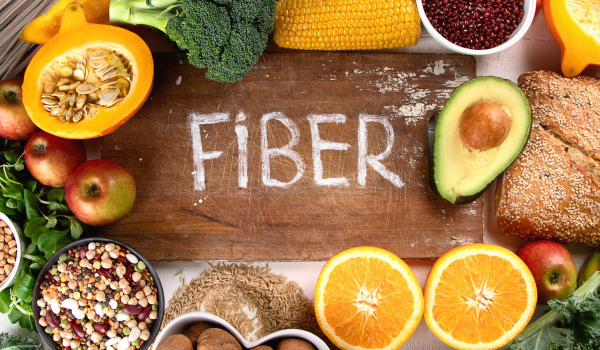
When meals include protein, fiber, and adequate calories across the day, hunger appears gradually rather than urgently.
Fullness Feels More Comfortable
Balanced eating reduces the likelihood of overeating late in the day, which can lead to discomfort or heaviness.
Why Focusing On One Meal Can Be Misleading
One Meal Does Not Define Health
A single meal cannot meet or disrupt all nutritional needs. Health is shaped by repeated patterns.
Overcorrecting Creates Stress
Trying to “make up” for one meal by restricting later often leads to imbalance rather than correction.
Balance Works Best Over Time
Looking at the full day—or even the full week—offers a more accurate picture than judging isolated choices.
How Balance Supports Digestive Comfort
Digestion Benefits From Predictability
The digestive system functions more smoothly when food intake follows a relatively consistent rhythm.
Large, Late Meals Often Reflect Earlier Imbalance
Overeating at night is frequently linked to insufficient intake earlier, not lack of control.
Balanced Intake Reduces Digestive Strain
Smaller, balanced meals across the day are easier to digest than extreme fluctuations.
The Connection Between Balance And Mood
Blood Sugar Stability Supports Emotional Balance
Balanced meals across the day help reduce mood swings related to blood sugar highs and lows.
Irritability Often Signals Fuel Imbalance
Mood changes are commonly biological responses to hunger or low energy.
Consistent Nourishment Supports Stress Regulation
When the body feels supported, emotional responses are often less intense.
Balance Does Not Mean Eating The Same Way Every Day
Needs Change Day To Day
Activity level, stress, sleep, and schedule all influence energy needs.
Balance Is Flexible, Not Rigid
Some days require more food earlier, others later. Balance adapts.
Listening Matters More Than Rules
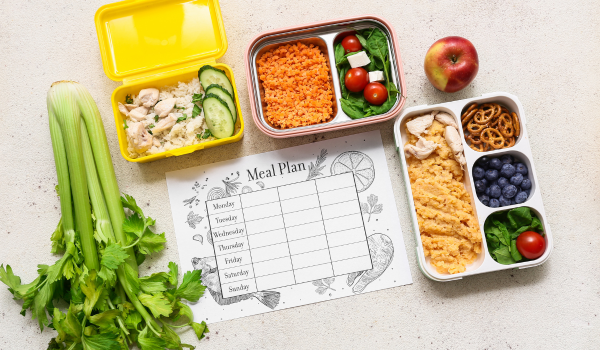
Responding to hunger, energy, and comfort supports balance better than strict plans.
How To Think About Balance Practically
Zoom Out To The Full Day
Instead of asking, “Was this meal healthy?” ask:
-
Did I eat regularly today?
-
Did I include nourishing foods overall?
-
How did my energy and mood feel?
Use Patterns As Feedback
Recurring fatigue, cravings, or discomfort often point to imbalance across the day.
Make Gentle Adjustments
Small changes earlier in the day often improve how the rest of the day feels.
Common Misunderstandings About Daily Balance
Balance Is Not About Perfection
It allows for flexibility, enjoyment, and variety.
Balance Is Not About Equal Portions
Different meals can play different roles.
Balance Is Not About Control
It is about support and consistency.
Long-Term Benefits Of Day-Wide Balance
More Stable Energy
Fewer extreme highs and lows.
Improved Digestive Comfort
Less bloating and heaviness.
Better Mood Regulation
Emotions feel more manageable.
Healthier Relationship With Food
Less guilt, less overthinking.
Why Balance Works Better Than Restriction
Restriction Creates Rebound Effects
Skipping or limiting often leads to overeating later.
Balance Builds Trust With The Body
Regular nourishment restores predictable signals.
Sustainable Habits Form Naturally
Balanced patterns are easier to maintain long term.
Conclusion
Balance matters not in isolated meals, but across the whole day. The body responds to how nourishment is distributed over time, shaping energy, mood, digestion, and hunger signals. When eating patterns support steady fuel rather than extremes, daily life feels smoother and more manageable.
Healthy eating is not about perfect choices in single moments. It is about creating a rhythm that supports the body from morning to night. By focusing on balance across the day, you build habits that are flexible, sustainable, and supportive of long-term well-being.
Explore more practical nutrition insights on Health365s.com to continue building everyday habits that support balance in real life.











.png)
.png)
.png)


.png)
.png)

.png)
.png)
.png)
.png)
.png)
.png)
.png)


.png)
.png)
.png)
.png)
.png)
.png)


.png)
.png)

.png)


