
.png)
Some days your brain feels sharp, your body feels light, and focusing on work comes naturally. Other days, simply getting through your to-do list feels exhausting. While stress, sleep, and workload all play a role, one factor often overlooked is the food you eat. Nutrition has a direct impact on your energy levels, concentration, mood, and how productive you can be from morning to night. Understanding how food powers the body gives you the tools to build days that feel more energized and less draining—without needing more caffeine, time, or motivation.
How Food Turns Into Energy
Your body is constantly converting food into usable fuel—even when you are not thinking about it.
Macronutrients Provide Primary Fuel
Carbohydrates, protein, and fat all contribute energy. Carbohydrates are broken down most quickly and serve as the main fuel for the brain and nervous system. Fat provides slower, sustained energy, while protein supports tissue repair, metabolism, and balanced blood sugar.
Glucose Powers Mental Function
The brain relies heavily on glucose from food to perform tasks such as reading, writing, analyzing information, and decision-making. Without steady glucose, focus fades, memory weakens, and mistakes increase.
Energy Production Requires Micronutrients Too
Vitamins and minerals—such as B vitamins, iron, magnesium, and vitamin C—help convert food into cellular energy. Even if calories are adequate, lacking micronutrients can leave you feeling tired.
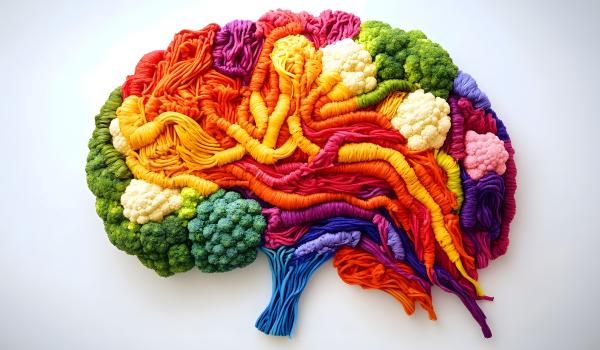
Food isn’t just fuel for movement—it’s what fuels your brain and cognition throughout the day.
Why Some Foods Give Steady Energy And Others Cause Crashes
Not all calories work the same way once they enter your system.
Complex Carbs Support Stable Energy
Whole grains, beans, oats, quinoa, and vegetables take longer to digest. This slow release of glucose helps prevent energy spikes and dips, keeping you mentally steady for hours.
Refined Sugars Cause Quick Highs And Fast Lows
Pastries, candy, soda, and sweetened coffee drinks produce a short burst of energy followed by fogginess, hunger, and fatigue. This pattern makes it harder to focus and increases cravings later.
Protein Helps Energy Last Longer
Including protein—such as eggs, yogurt, nuts, chicken, or tofu—in each meal slows digestion, stabilizes blood sugar, and reduces mid-morning or mid-afternoon slumps.
Healthy Fats Support Brain Function
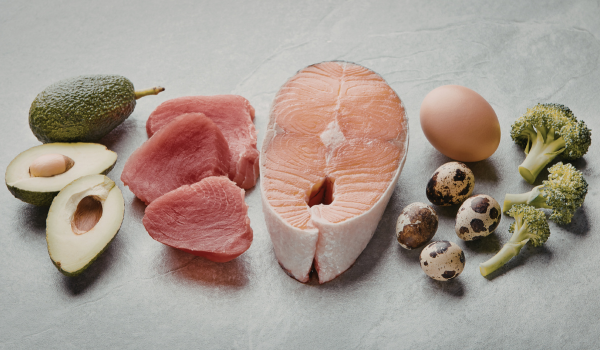
Avocado, salmon, olive oil, and nuts provide fatty acids that support brain cells, help regulate hormones, and keep you satisfied longer—reducing mindless snacking.
Choosing foods that digest steadily supports clear thinking, motivation, and productivity throughout the day.
How Meal Timing Influences Energy And Performance
When you eat matters almost as much as what you eat.
Skipping Meals Leads To Energy Crashes
Missing breakfast or delaying lunch can cause blood sugar to drop. Symptoms include headaches, irritability, difficulty concentrating, and increased appetite later in the day.
Small, Balanced Meals Keep You Focused
Eating moderate meals every 3–4 hours can help prevent dips in energy and reduce the urge to binge on convenience foods.
Avoid Heavy Lunches During Work Hours
High-fat or oversized meals redirect blood flow toward digestion, making you feel sleepy or sluggish. Choosing lighter lunches with vegetables, protein, and whole grains protects afternoon productivity.
Late-Night Eating Can Affect Tomorrow’s Energy
Eating large meals close to bedtime interferes with sleep quality, which directly impacts focus the next day—even if calories are the same.
Consistent meal timing is a simple tool for building reliable energy all day long.
Hydration And Its Impact On Productivity
Food provides energy, but water determines whether the body can use it effectively.
Dehydration Reduces Cognitive Function
Even mild dehydration—just 1–2% fluid loss—can impair memory, focus, mood, and problem-solving. Many people confuse thirst with fatigue or hunger, leading to unnecessary snacking.
Hydration Supports Digestion And Nutrient Transport
Water helps transport glucose, oxygen, and nutrients to your cells. Without enough fluids, your metabolism slows, and your brain receives less support.
Caffeine Helps Temporarily But Dehydrates Gradually
Coffee and tea are energizing tools, but they do not replace water. Balancing caffeinated drinks with plain water keeps the body functioning at full capacity.
Your brain is nearly 75% water—keeping it hydrated is one of the easiest ways to stay sharp.
Food That Supports Better Focus, Mood, And Output
Nutrients influence productivity beyond raw energy—they directly shape mental clarity and emotional balance.
Omega-3 Fatty Acids Support Brain Health
Fatty fish, walnuts, chia seeds, and flaxseed strengthen neural pathways and may improve reading comprehension, memory, and creative problem-solving.
B Vitamins Help Convert Food Into Energy
Foods like eggs, poultry, beans, and leafy greens support energy production at a cellular level and reduce fatigue.
Iron Helps Prevent Brain Fog
Iron-rich foods such as spinach, lentils, and red meat help oxygen travel through the body. Low iron can lead to weakness, headaches, and poor concentration.
Fiber Keeps Energy Stable
Fruits, vegetables, oats, nuts, and whole grains slow digestion and keep the brain fueled evenly through the day—reducing hunger and distraction.
Meals that support both mind and body naturally improve daily performance.
Foods And Habits That Drain Productivity
Productivity isn’t only about what you include—sometimes it’s what you avoid.
Sugary Snacks Disrupt Focus
Candy bars, donuts, and sugary cereals give instant satisfaction but leave you hungrier and more distracted soon after.
Meal Replacement Reliance Backfires
Protein bars and shakes can fill gaps occasionally, but they often lack fiber and slow-release carbs necessary for sustained mental energy.
Fast-Food Heavy Eating Slows Metabolism
High salt, low nutrient meals can leave you bloated, dehydrated, and mentally dull. Over time, they contribute to inflammation and insulin resistance.
Eating At Your Desk Reduces Mindful Intake
Working while eating makes you more likely to overeat or snack soon after because your brain never registers fullness.
Identifying these habits helps protect your energy and reduce afternoon slumps.
Small Daily Changes That Improve Energy And Productivity
You do not need a perfect diet to function your best—just more supportive habits.
Start Breakfast With Protein And Fiber
Eggs, berries, oatmeal, or yogurt set up steady blood sugar and prevent mid-morning cravings.
Pack Simple, Energizing Snacks
Nuts, fruit, cheese sticks, whole-grain crackers, or hummus help fill energy gaps without spikes.
Balance Meals Using The Rule Of Thirds
One-third protein, one-third produce, one-third whole grains or starchy vegetables provides sustained fuel.
Plan Water Intake Intentionally
Sip regularly throughout the day instead of waiting for thirst to strike.
Micro-habits compound into measurable improvements in focus, mood, and physical stamina.
Conclusion
Food is more than fuel—it is one of the most reliable tools you have for building energy, clear thinking, and daily productivity. The meals you choose, how often you eat, how hydrated you stay, and the balance of nutrients in your diet all affect how your brain and body perform. You don’t need extreme diets or complicated strategies to feel your best. Focus on whole foods, steady meals, hydration, and balance—and notice how your energy lasts longer, your mood improves, and your productivity rises throughout the day.
Explore more nutrition and lifestyle tips to continue building days powered by food that truly supports you.










.png)
.png)
.png)


.png)
.png)

.png)
.png)
.png)
.png)
.png)
.png)
.png)



.png)
.png)
.png)
.png)
.png)
.png)


.png)
.png)

.png)


