Dopamine And Motivation
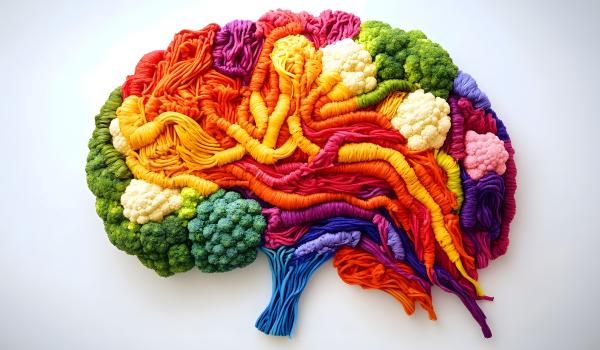
When food is eaten, especially foods high in sugar, fat, or salt, the brain releases dopamine. This chemical signals pleasure and reinforces the behavior that caused it. The brain learns that certain foods bring comfort or excitement and encourages repeating those choices.
Association With Positive Feelings
If food is linked with relaxation, celebration, or relief from stress, the brain stores that connection. Over time, it no longer reacts only to hunger but also to emotional cues, such as boredom or anxiety.
Reward Predictability Strengthens Habits
The more predictable the reward feels, the faster the habit forms. For example, eating a sweet snack every afternoon trains the brain to expect pleasure at that time of day, even if physical hunger is low.
How Repetition Builds Automatic Eating Patterns
Neural Pathways Become Stronger
Each repeated food behavior strengthens specific brain pathways. Just like practicing a skill improves performance, repeating food choices makes them easier to perform without conscious thought.
Less Mental Effort Over Time
The brain prefers efficiency. Once a food routine is established, it requires less decision-making energy. This is why people often eat the same breakfast or snack without thinking about it.
Context Triggers Action
Places, times, and routines become cues. Sitting at a desk may trigger snacking. Watching television may trigger dessert. These cues activate learned responses stored in memory rather than hunger signals.
How Childhood Experiences Shape Adult Food Habits
Early Exposure Forms Taste Memory
Foods eaten frequently during childhood become familiar and emotionally safe. The brain builds strong connections between those flavors and comfort.
Parental Modeling Influences Behavior
Children learn how and when to eat by watching adults. Regular meals, emotional eating, or restrictive patterns are absorbed as normal.
Emotional Learning Occurs With Food
If food is used as reward or punishment, the brain learns that eating is tied to behavior rather than nourishment. These patterns can persist into adulthood.
The Role Of Emotions In Food Learning
Stress Changes Brain Priorities
Under stress, the brain shifts toward fast energy sources. This makes high-calorie foods more appealing and reinforces the link between stress relief and eating.
Comfort Eating Creates Memory Loops
When food temporarily improves mood, the brain records it as a coping tool. Over time, emotional triggers can activate eating automatically.
Guilt And Shame Reinforce Cycles
Negative emotions after eating can paradoxically strengthen habits by increasing stress, which then drives more emotional eating.
How Environment Teaches The Brain What To Eat
Availability Shapes Learning
The brain learns from what is easy to access. If snacks are visible and meals are delayed, snacking becomes the default response.
Advertising Influences Neural Expectations
Repeated exposure to food marketing trains the brain to associate certain foods with happiness, success, or relaxation.
Social Settings Normalize Behavior
Eating with others teaches portion size and food choice expectations. Group habits become individual habits over time.
Why Hunger Signals Get Replaced By Habit
Clock-Based Eating Overrides Body Cues
The brain learns meal timing patterns regardless of hunger. This can weaken internal hunger awareness.
Portion Sizes Become Visual Rules
The brain uses plate size and packaging as signals instead of stomach fullness.
Fast Eating Reduces Feedback
Eating quickly prevents the brain from registering fullness in time, reinforcing overeating patterns.
How The Brain Learns To Prefer Certain Flavors
Taste Buds Adapt Over Time
Repeated exposure changes flavor tolerance. Sweet, salty, and fatty foods increase preference through neural conditioning.
Bitterness And Fiber Require Learning
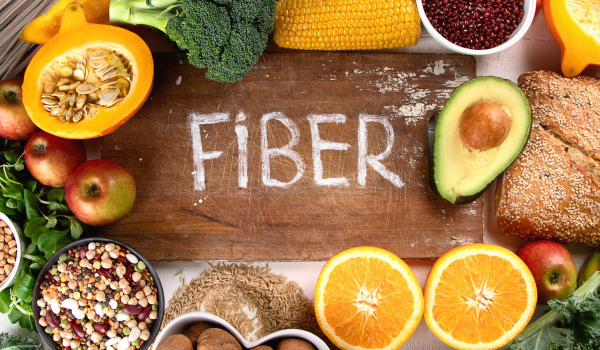
Vegetables and whole foods require repeated exposure for acceptance because they do not provide immediate dopamine spikes.
Cultural Flavor Patterns Shape Preference
Spices, cooking styles, and textures become comfort signals stored in memory.
The Habit Loop: Cue, Action, Reward
Cue Starts The Pattern
Time, emotion, or environment triggers eating.
Action Is The Eating Behavior
The person consumes a familiar food.
Reward Reinforces The Cycle
Pleasure or relief strengthens the loop.
Over time, the brain executes this loop without conscious awareness, making habits feel automatic rather than chosen.
Why Changing Food Habits Feels Difficult
Old Pathways Compete With New Ones
The brain resists abandoning efficient systems.
Stress Activates Old Patterns
During fatigue or pressure, the brain reverts to familiar behaviors.
Short-Term Discomfort Blocks Progress
New foods and routines feel unfamiliar, and the brain interprets unfamiliarity as risk.
How New Food Habits Are Learned
Repetition Builds New Pathways
Small consistent changes rewire behavior over time.
Positive Experiences Reinforce Learning
Enjoyable healthy meals strengthen adoption.
Gradual Exposure Reduces Resistance
Trying new foods repeatedly teaches safety and preference.
Using Awareness To Retrain Eating Behavior
Pause Before Eating
Creates space between cue and action.
Notice Emotional Triggers
Identifying stress eating weakens automatic responses.
Change One Cue At A Time
New routines form more easily when focused.
How Consistency Shapes Brain Learning
Frequency Matters More Than Perfection
Regular repetition rewires faster than occasional effort.
Stability Builds Trust
Predictable meals help restore hunger signals.
Small Changes Multiply Over Time
Tiny adjustments reshape long-term behavior.
Long-Term Effects Of Brain-Based Food Learning
Habits Become Identity
People view their eating style as part of who they are.
Energy Patterns Stabilize
Consistent meals support mood and focus.
Relationship With Food Improves
Eating feels less chaotic and more intentional.
Conclusion
The brain learns food habits through reward, repetition, and emotional association. Over time, these processes turn eating into an automatic behavior shaped by environment, routine, and memory rather than hunger alone. This explains why habits feel difficult to change and why awareness matters more than strict control.
By understanding how the brain builds eating patterns, individuals can work with their biology instead of fighting it. Small, repeated actions create new neural pathways that support healthier, more balanced food choices. To explore more insights about nutrition and behavior, find practical guidance on Health365s.com and start building habits that work with your brain rather than against it.






.png)
.png)

.png)



.png)
.png)

.png)
.png)
.png)
.png)
.png)
.png)
.png)



.png)
.png)
.png)
.png)
.png)
.png)


.png)
.png)

.png)