.png)
Takeout has become a normal part of modern life. Long workdays, busy schedules, and constant digital access make ordering food easier than planning or cooking meals at home. While takeout offers convenience and variety, it also shapes how people eat, how often they eat, and how much they consume. Over time, these patterns influence energy levels, digestion, and overall health.
Living in a takeout-heavy culture does not mean healthy eating is impossible. It means food decisions are influenced by speed, portion size, and availability rather than hunger and balance. Understanding how takeout culture affects eating habits helps explain why meals can feel rushed, oversized, and less satisfying—and why small adjustments can restore control and comfort.
Why Takeout Has Become a Daily Habit
Convenience Drives Food Choices
Delivery apps and drive-through options remove the need for preparation or cleanup.
Time Pressure Shapes Decisions
Busy schedules leave little mental space for meal planning.
Marketing Encourages Frequent Ordering
Promotions and discounts reward repeat purchases.
How Takeout Culture Changes Eating Patterns
Portion Sizes Are Often Larger Than Needed
Restaurant servings are designed for value, not hunger.
Meals Become Less Structured
People eat when food arrives rather than when hunger appears.
Snacking Replaces Balanced Meals
Smaller takeout items are eaten frequently instead of full meals.
The Impact on Hunger and Fullness Signals
External Cues Replace Internal Cues
Ordering is triggered by time or stress rather than hunger.
Speed Reduces Awareness
Takeout is often eaten quickly, bypassing fullness recognition.
Leftovers Blur Portion Boundaries
Eating directly from containers makes stopping harder.
Nutrient Balance in Takeout Meals
Vegetables Are Often Limited
Many takeout meals emphasize protein and starch over produce.
Fats and Sodium Are Higher
Restaurant foods rely on salt and oils for flavor.
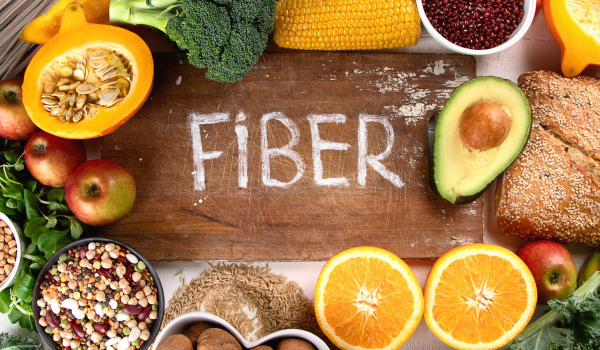
Fiber Is Frequently Low
Refined grains replace whole-food carbohydrates.
Energy and Mood Effects of Takeout Patterns
Blood Sugar Fluctuates More Easily
High refined carbohydrates lead to quick energy drops.
Fatigue Increases After Heavy Meals
Large portions slow digestion and concentration.
Cravings Become Stronger Over Time
Salt and sugar alter taste expectations.
Emotional and Psychological Influences
Food Becomes a Reward
Ordering is associated with relief and comfort.
Decision Fatigue Promotes Default Choices
The same foods are reordered without thought.
Guilt Can Follow Meals
Emotional cycles form around food choices.
Social Norms in a Takeout-Heavy Environment
Eating Out Becomes Normalized
Shared meals often happen outside the home.
Portion Size Feels Standardized
Large servings appear appropriate.
Speed Is Valued Over Experience
Meals become functional rather than sensory.
Digestive Consequences of Frequent Takeout
High Fat Slows Digestion
Heaviness and bloating become common.
Low Fiber Reduces Satiety
Hunger returns quickly.
Irregular Timing Disrupts Gut Rhythm
Digestion thrives on routine.
Why Cooking Feels Less Accessible
Perceived Effort Is High
Cooking feels demanding compared to ordering.
Skill Confidence May Be Low
Many people lack simple meal frameworks.
Kitchen Use Declines Over Time
Reduced practice weakens habits.
How Takeout Shapes Long-Term Eating Habits
Reliance on External Food Grows
Home meals feel less familiar.
Taste Preferences Shift
Highly seasoned foods dominate.
Structure Disappears
Meals lose routine and predictability.
The Benefits of Takeout Culture
Access to Variety
Different cuisines increase exposure to foods.
Flexibility for Busy Lives
Meals adapt to schedules.
Social Connection Through Food
Shared takeout supports interaction.
Signs Takeout Is Dominating Your Diet
-
Eating most meals from restaurants
-
Feeling overly full after meals
-
Low vegetable intake
-
Frequent cravings
-
Digestive discomfort
-
Energy dips after eating
These patterns reflect environment rather than personal failure.
Simple Ways to Eat Better with Takeout
Add Vegetables at Home
Pair meals with fresh or frozen produce.
Divide Portions Before Eating
Create a stopping point.
Choose One Balanced Element
Look for protein, vegetables, or whole grains.
Making Takeout Meals More Balanced
Mix With Home Foods
Add salads or cooked vegetables.
Avoid Eating from Containers
Plating improves portion awareness.
Drink Water First
Hydration supports digestion.
Grocery Support for Takeout Habits
Stock Easy Produce
Washed greens and frozen vegetables save effort.
Keep Simple Proteins Ready
Eggs, yogurt, and beans balance meals.
Use Leftovers Strategically
Transform them into lighter meals.
Rebuilding Home Eating Confidence
Start With Assembly Meals
No cooking required.
Repeat Simple Recipes
Familiarity reduces effort.
Focus on Patterns, Not Perfection
Consistency matters most.
Mindset Shifts for Takeout Living
Balance Over Elimination
Enjoy takeout while supporting nutrition.
Food Is Fuel, Not Just Entertainment
Purposeful eating improves satisfaction.
Small Changes Are Powerful
Habits form gradually.
How Environment Drives Overeating
Visual Cues Influence Intake
Large containers signal large meals.
Packaging Reduces Mindfulness
Eating becomes automatic.
Screens Often Accompany Takeout
Distraction weakens fullness cues.
Using Takeout as a Tool, Not a Trap
Plan Takeout Days
Intentional ordering reduces impulse.
Choose Familiar Balanced Options
Less decision fatigue.
Stop Before Overfull
Leftovers extend value.
Long-Term Health Implications
Higher Sodium Intake Affects Blood Pressure
Water retention and fatigue increase.
Low Fiber Affects Gut Health
Digestion becomes irregular.
Excess Calories Accumulate Quietly
Weight changes occur slowly.
Creating Structure in a Takeout World
Anchor One Home Meal Daily
Build routine.
Eat at Similar Times
Supports appetite rhythm.
Create an Eating Space
Separate food from work and screens.
Why Awareness Is More Important Than Rules
Rigid Restrictions Fail Socially
Flexibility survives real life.
Understanding Builds Control
Knowledge replaces guilt.
Habits Shape Outcomes
Patterns matter more than individual meals.
The Role of Satisfaction
Balanced Meals Reduce Cravings
Protein and fiber improve fullness.
Slower Eating Increases Enjoyment
Taste becomes noticeable.
Food Feels Purposeful
Not reactive.
How to Use Takeout Without Losing Health
Treat It as One Part of Your Diet
Not the entire diet.
Support It With Simple Foods
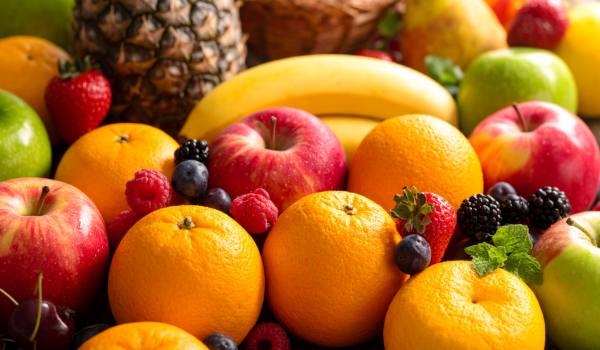
Vegetables, fruit, and grains balance meals.
Listen to Body Feedback
Energy and comfort guide choices.
Conclusion
Eating well in a takeout-heavy culture requires awareness, not perfection. Frequent ordering changes portion sizes, meal timing, and nutrient balance, often weakening hunger signals and increasing reliance on convenience foods. These effects are shaped by environment and routine rather than willpower.
By pairing takeout with simple home foods, creating loose meal structure, and paying attention to satisfaction and fullness, people can enjoy convenience without sacrificing health. Explore more practical nutrition guidance on Health365s.com to build eating habits that fit modern life while supporting long-term well-being.




.png)
.png)

.png)


.png)
.png)
.png)
.png)
.png)
.png)
.png)
.png)
.png)
.png)
.png)
.png)
.png)
.png)
.png)

.png)

.png)