
Big changes often get the spotlight in health conversations—dramatic cleanses, strict diet plans, and ambitious fitness challenges. But in reality, the most meaningful improvements rarely happen overnight. They happen little by little, plate by plate, choice by choice. Small food decisions, repeated over weeks and months, can create powerful shifts in energy, health, and well-being. Understanding how daily choices quietly add up can help you feel confident making simple decisions that support your long-term wellness—without pressure or perfectionism.
Small Choices Shape Long-Term Habits
Everyday decisions create patterns that turn into habits.
Tiny Actions Become Automatic Over Time
Choosing water instead of soda today may seem insignificant, but repeating that decision daily gradually forms a routine.
Habits Are Built Through Repetition, Not Intensity
Doing one big diet overhaul can feel exhausting. Doing one small thing every day feels manageable.
Simple Swaps Create Familiarity
The more regularly you choose fruits, vegetables, or whole grains, the easier and more natural those choices become.
Your Brain Learns From Repetition
When healthier decisions happen often, they require less effort and fewer internal negotiations.
Consistency is powerful—and small steps drive it more reliably than sudden overhauls.
Incremental Nutrient Gains Make A Meaningful Difference
Small changes in what you eat affect nutrient intake more than you might realize.
Adding A Serving Of Vegetables Contributes Micronutrients
A handful of spinach or a side of carrots boosts vitamins, minerals, and antioxidants without modifying your entire meal.
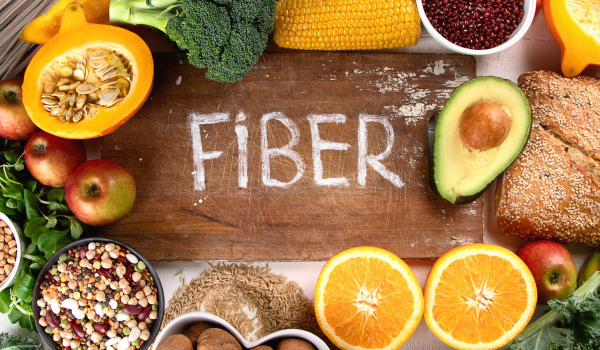
Choosing High-Fiber Foods Supports Digestive Health
Swapping white rice for brown rice or white bread for whole grain increases fiber in a way that accumulates daily.
Snack Upgrades Improve Daily Nutrition
Fruits, nuts, or yogurt add vitamins and protein where chips or candy add little beyond calories.
Little Improvements Multiply Across The Week
Seven days of small changes equal dozens of nutrient-rich opportunities your body will use and benefit from.
Over time, these incremental nutrient boosts help support energy, immunity, and metabolic health.
Calorie Balance Is Influenced By Small Decisions
Tiny food choices create ripple effects in overall energy balance.
Drinks Make A Bigger Difference Than Many Realize
Replacing one sugary beverage daily saves hundreds of calories per week—without feeling like a sacrifice.
Portion Adjustments Add Up Gradually
Serving a little less pasta or adding a bit more salad can slowly shift how much you consume overall.
Mindful Eating Reduces Automatic Overconsumption
Slowing down leads to better recognition of fullness, preventing extra bites without strict rules.
Snacks Can Add Or Subtract Depending On Their Quality
Choosing satisfying snacks helps prevent overeating later, while nutrient-poor snacks may lead to more hunger.
Even modest calorie shifts practiced regularly impact long-term weight stability.
How Tiny Changes Affect Blood Sugar Stability
Blood sugar fluctuations are tied strongly to food patterns.
Adding Fiber Slows Digestion And Energy Release
Whole grains and fruits keep energy steadier for longer stretches.
Including Protein Helps Prevent Crashes
Pairing carbs with protein moderates blood sugar rises and drops.
Spacing Meals Throughout The Day Supports Consistency
Going long periods without eating often leads to overeating or cravings.
Smaller Adjustments Reduce Extreme Highs And Lows
You don’t need a perfect diet to maintain balance—just regular nourishment and small improvements.
Stable blood sugar supports clearer thinking, improved mood, and more consistent appetite signals.
Small Changes Influence Cravings And Satisfaction
Cravings are shaped by patterns, and those patterns evolve over time.
The More Whole Foods You Eat, The More You Crave Them
Taste buds adapt—fresh foods become more appealing with repeated exposure.
Regular Eating Prevents Extreme Hunger
When you avoid long gaps, you reduce the urge to reach for quick sugar.
Including Enjoyment Helps Maintain Balance
Allowing treats intentionally reduces binge-restrict cycles.
Gradual Shifts Strengthen Long-Term Preferences
Instead of forcing big restrictions, ease into changes your body accepts.
Cravings reflect habits—and small behavior shifts gradually mold those impulses.
Small Wins Build Confidence And Motivation
Progress does not require dramatic transformation to feel rewarding.
Accomplishing One Change Encourages You To Try Another
Success boosts confidence, making the next step easier.
Momentum Beats Willpower
Once new habits feel normal, they no longer rely on motivation.
Consistency Feels Good Physically And Mentally
Steady energy, easier digestion, and improved mood reinforce the effort.
Simple Success Makes Lifestyle Change Enjoyable
When eating well feels good instead of burdensome, you’re more likely to sustain it.
Confidence thrives when goals feel achievable—small wins make that possible.
Practical Examples Of Small Choices That Matter
Small does not mean insignificant—here are habits that build strength over time.
Drink A Glass Of Water Before A Sweet Beverage
You may naturally reduce sugary drink intake.
Add A Vegetable To One Meal A Day
You’ll eat seven extra servings a week—no extra planning required.
Swap One Snack For A Healthier Option
Fresh fruit, nuts, or high-protein yogurt add nutrients instead of empty calories.
Choose Whole Food Versions Of Common Staples
Brown rice, whole-wheat pasta, oats, and beans increase fiber and fullness.
Cook One Meal At Home Each Week
Homemade meals typically include fewer processed ingredients by default.
These small steps take little effort but grow meaningful results.
Patience And Perspective Make All The Difference
Small changes require time—but their payoff is lasting.
Your Body Needs Consistency, Not Perfection
Long-term benefits show up slowly, but they stick around.
You Don’t Need Dramatic Results Right Away
Improved digestion, sleep, mood, and energy often come before physical changes.
Setbacks Are A Normal Part Of Habit Building
Balance allows room to drift and return without guilt.
Look At Your Week, Not Your Day
Patterns across time matter more than isolated decisions.
Patience keeps progress moving—even when results appear gradually.
Conclusion
Small food choices may look ordinary in the moment, but together they shape how you feel, function, and age. Replacing one snack, adding one vegetable, drinking water more often, or cooking just a bit more at home may not feel significant day to day. Yet compounded over months and years, these choices support lasting energy, more stable mood and appetite, better digestion, improved metabolic balance, and stronger long-term wellness. You don’t need dramatic changes to transform your health—what matters most is showing up for yourself in small, consistent ways that add up to meaningful and sustainable results.









.png)
.png)

.png)


.png)
.png)

.png)
.png)
.png)
.png)
.png)
.png)
.png)



.png)
.png)
.png)
.png)
.png)
.png)


.png)
.png)

.png)