
.png)
Why The Body Thinks In Multi-Day Cycles
Energy needs change from day to day
Activity, stress, sleep, and illness all affect how much energy the body uses. A highly active day increases fuel demand, while a sedentary day lowers it. The body adapts by adjusting appetite over the next day or two rather than immediately.
Storage allows flexibility
Fat tissue and glycogen act as buffers. When intake is higher than needed one day, the body stores excess energy. When intake is lower the next day, it draws from these stores. This flexibility allows survival during periods of food shortage.
The brain monitors trends, not moments
Appetite regulation centers in the brain respond to longer-term signals such as hormone levels and nutrient status. They are designed to detect patterns over time rather than reacting only to a single meal.
How Hunger Adjusts After Higher Intake Days
Reduced hunger follows excess intake
After a day of larger meals or rich foods, many people naturally feel less hungry the next day. This reflects the body sensing adequate energy availability.
Satiety hormones remain elevated
Hormones like leptin and peptide YY rise after higher intake and signal fullness to the brain for many hours or even into the next day.
Digestive pacing slows slightly
The stomach and intestines may empty more slowly, prolonging feelings of fullness and reducing immediate appetite.
This process helps prevent continuous overeating when food is abundant.
How Hunger Adjusts After Lower Intake Days
Hunger increases after restriction
When intake is lower than usual, hunger hormones such as ghrelin rise. This makes food seem more appealing and increases motivation to eat.
Energy conservation begins quietly
The body may reduce spontaneous movement and lower body temperature slightly to conserve energy.
Cravings may intensify
This is not weakness. It is a biological signal to restore balance after insufficient fuel.
These responses protect the body from prolonged energy deficits.
The Role Of Glycogen In Short-Term Balance
Glycogen stores provide quick fuel
The liver and muscles store carbohydrates as glycogen. These stores fluctuate daily depending on food intake and activity.
Low glycogen increases hunger
After long gaps between meals or intense activity, depleted glycogen signals the brain to seek food.
Replenishment reduces urgency to eat
Once glycogen is restored, hunger decreases and energy stabilizes.
This system explains why hunger often rises after hard workouts or missed meals and fades after balanced eating.
Fat Tissue As Long-Term Buffer
Fat storage absorbs excess intake
Extra energy from larger meals is converted into fat for later use.
Fat breakdown supplies energy during deficits
When intake drops, stored fat releases energy into the bloodstream.
This system smooths daily variation
Without fat storage, humans could not tolerate irregular food access.
Fat tissue allows intake to balance across days instead of forcing precise daily matching.
How Hormones Coordinate Multi-Day Balance
Leptin reflects stored energy
Higher fat mass raises leptin levels, reducing appetite over time. Lower fat mass lowers leptin, increasing hunger.
Ghrelin responds to recent intake
Ghrelin rises after periods of low intake and falls after eating.
Insulin communicates fuel availability
Stable insulin patterns support consistent energy use and hunger regulation.
These hormones work together to guide intake over days and weeks rather than hours alone.
Why Appetite Feels Inconsistent Day To Day
Sleep affects hunger signals
Poor sleep increases hunger the following day.
Stress alters appetite patterns
Stress hormones can either suppress or stimulate appetite depending on timing and individual response.
Activity changes fuel demand
Active days require more intake later.
These influences create natural variation in appetite that reflects real physiological needs.
How The Body Handles Social Eating And Feasting
Higher intake is balanced later
After holidays or celebrations, appetite often decreases naturally in the following days.
The body increases storage temporarily
Extra energy is stored rather than wasted.
Cravings fade as balance returns
Once stores are replenished, hunger signals soften.
This is why short periods of overeating do not automatically cause long-term imbalance when followed by normal habits.
The Difference Between Short-Term And Long-Term Imbalance
Short-term excess is normal
A few high-intake days are easily buffered by storage systems.
Chronic excess overwhelms regulation
Consistent overeating over weeks bypasses natural balancing mechanisms.
Chronic restriction disrupts signals
Long-term under-eating increases hunger hormones and stress responses.
Balance depends on patterns, not perfection.
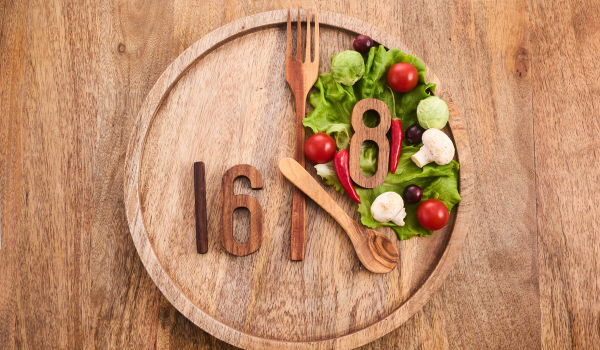
How Meal Timing Influences Multi-Day Intake
Regular meals support stable signals
Consistent timing helps hunger hormones follow predictable rhythms.
Long gaps increase rebound hunger
Skipping meals often leads to stronger intake later.
Even spacing improves comfort
Moderate meals across the day support steady energy.
Timing affects how easily the body can smooth intake across days.
Psychological Influences On Multi-Day Balance
Dieting overrides natural cues
Strict rules disrupt hunger and fullness recognition.
Emotional eating masks biological signals
Stress or boredom may drive intake independent of energy needs.
Trusting appetite improves regulation
Listening to hunger and fullness supports natural adjustment.
Mental patterns can either support or fight the body’s balancing system.
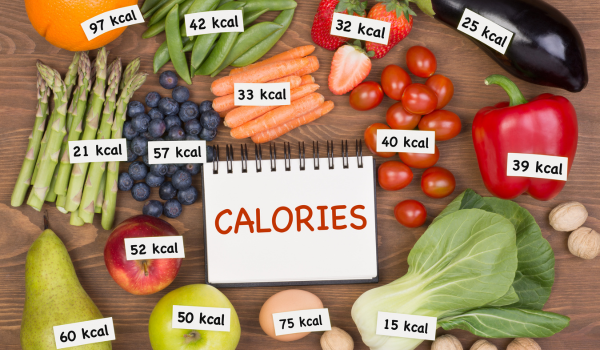
Why Daily Calorie Matching Is Not Natural
The body does not reset at midnight
Energy use continues regardless of the calendar.
Exact daily targets ignore biological variation
Needs shift with activity and stress.
Rigid tracking can increase anxiety
This may worsen eating behavior rather than improve it.
Multi-day regulation is more aligned with human physiology.
Signs The Body Is Regulating Intake Well
-
Hunger varies naturally
-
Fullness arrives without discomfort
-
Energy feels steady
-
Cravings fade after eating
-
Weight remains relatively stable
These indicate functioning internal balance.
Signs Balance Is Being Disrupted
-
Constant hunger
-
Frequent binge-restrict cycles
-
Energy crashes
-
Strong food obsession
-
Loss of fullness cues
These suggest interference with regulation systems.
How To Support Multi-Day Balance
Eat regularly
This stabilizes hormone signals.
Include protein and fiber
They extend satiety.
Avoid extreme restriction
It increases rebound hunger.
Allow flexibility
No single meal defines balance.
Sleep consistently
It supports appetite regulation.
These habits strengthen the body’s ability to self-correct.
Why Variety Helps Regulation
Different nutrients prevent deficiency-driven hunger
The body seeks missing nutrients.
Monotonous diets confuse signals
They may cause overeating of limited foods.
Balanced intake reduces cravings
Nutrient adequacy stabilizes appetite.
Variety supports long-term intake balance.
How Illness Or Travel Affects Balance
Temporary appetite changes are normal
The body adjusts after disruptions.
Energy use shifts
Recovery increases nutrient needs.
Balance returns with routine
Regular habits restore signals.
Short-term disruptions do not override long-term regulation.
The Evolutionary Advantage Of Multi-Day Balance
Humans evolved without constant food access
The body learned to store and draw energy.
Survival required flexibility
Rigid daily matching would have failed.
Modern patterns still rely on this system
Despite abundant food, the same regulation remains.
Multi-day balance is a built-in survival tool.
Conclusion
The body does not aim for perfect balance each day. Instead, it adjusts intake, hunger, and energy use over several days to maintain stability. Storage systems, hormones, and appetite signals work together to smooth daily variation and protect against both excess and shortage. Hunger after low intake and reduced appetite after higher intake are not problems to fix but signs of a functioning regulatory system.
By understanding this process, people can step away from rigid daily food rules and focus on consistent, supportive habits over time. Regular meals, balanced nutrition, and flexible thinking allow the body’s natural balancing mechanisms to work as intended. To explore more insights about how everyday habits shape long-term health, visit Health365s.com and continue learning how small patterns guide lasting well-being.















.png)
.png)

.png)



.png)
.png)

.png)

.png)
.png)
.png)
.png)
.png)
.png)



.png)
.png)
.png)
.png)
.png)


.png)
.png)

.png)


