
Most people focus on what they eat—types of food, calories, and vitamins—without realizing that how the body uses nutrients depends on much more than the food itself. Every nutrient you eat must be digested, absorbed, transported, stored, or burned, and lifestyle plays a major role in whether those nutrients can do their job well. Sleep, movement, stress, hydration, and daily habits either support or interfere with how efficiently your body uses the fuel you give it. When lifestyle aligns with nutrition, the payoff becomes stronger energy, better mood, improved digestion, and long-term health that cannot be achieved through food alone.
Why Lifestyle Matters As Much As Food Quality
Food intake is only half the story—nutrient use depends on internal conditions.
Eating Well Is Only Effective If The Body Can Absorb Nutrients
You can eat the healthiest meal in the world, but if your body isn’t primed for absorption, many of those nutrients go unused.
Daily Habits Influence Metabolism And Digestion
Hydration, sleep, movement, and stress levels determine whether nutrients get converted to energy or stored.
Lifestyle Makes Healthy Eating More Efficient
Nutrients work best when your body is supported by healthy routines rather than pushed into stress mode.
Small Lifestyle Improvements Make Big Nutrition Gains
Maintaining rhythm, sleep, and balance strengthens the body’s ability to use the fuel you already eat.
Lifestyle determines how far your nutrition dollars and efforts truly go.
Sleep And Nutrient Metabolism
Sleep is more than rest—it’s a key part of nutrition function.
Sleep Regulates Appetite Hormones
Poor sleep increases ghrelin (hunger hormone) and lowers leptin (satiety hormone), making balanced eating harder.
The Body Rebuilds And Repairs During Sleep
Protein synthesis, tissue repair, and nutrient processing happen at night, especially for muscle and immune function.
Lack Of Sleep Reduces Insulin Sensitivity
Even one short night of sleep can disrupt blood sugar balance and weaken energy use from carbohydrates.
Poor Sleep Makes Cravings More Intense
When tired, the brain seeks fast energy, increasing cravings for sugar and refined foods.
Sleep gives your body the chance to use nutrients instead of simply storing them.
Hydration And Nutrient Transportation
Water plays an underrated role in moving nutrients where they need to go.
Hydration Supports Digestion From Start To Finish
Water helps break down food, dissolve nutrients, and move them through the bloodstream.
Blood Volume Depends On Fluid Intake
When you’re dehydrated, nutrient-rich blood circulates inefficiently, slowing delivery to cells.
Fiber Needs Water To Work Properly
Without enough water, fiber causes constipation instead of supporting gut health and vitamin absorption.
Hydration Affects Electrolyte Balance
Minerals such as potassium, sodium, magnesium, and calcium can’t support muscle function if fluids are too low.
Water helps every nutrient do its job more effectively.
Movement And How The Body Uses Fuel
Physical activity is a major factor in how nutrients are processed.
Movement Increases Nutrient Uptake Into Cells
Exercise activates insulin sensitivity, improving how efficiently glucose enters muscle tissues.
Muscle Activity Improves Protein Utilization
Strength training signals the body to use dietary protein for building tissue instead of storing it.
Exercise Raises Metabolism
Movement increases nutrient turnover and reduces excess fat storage.
Sedentary Behavior Slows Nutrient Use
Sitting for long periods weakens blood flow and decreases the body’s ability to burn calories and move nutrients efficiently.
Even light movement—walking, stretching, or climbing stairs—keeps nutrient use active.
Stress And Nutrient Use
Stress affects the way nutrients are absorbed, stored, and burned.
Chronic Stress Interferes With Digestion
High cortisol suppresses stomach acid, enzyme release, and gut motility—making nutrient breakdown less effective.
Stress Changes Appetite Signals
Some people skip meals under stress, while others crave quick, low-nutrient foods, reducing nutrient intake quality and timing.
Stress Uses Up More Nutrients
Key vitamins—especially B vitamins, magnesium, and vitamin C—get depleted faster during stress response.
Long-Term Stress Can Raise Inflammation
Inflammation demands more antioxidants and slows nutrient efficiency.
Reducing stress allows more of what you eat to nourish your mind and body.
Gut Health And Absorption
Nutrient use begins in the gut, where food is converted into usable forms.
A Healthy Microbiome Improves Nutrient Breakdowns
Good bacteria produce enzymes, vitamins, and compounds that improve nutrient absorption.
Poor Gut Health Wastes Nutrients
Inflammatory conditions, constipation, bloating, or imbalanced bacteria interfere with nutrient uptake.
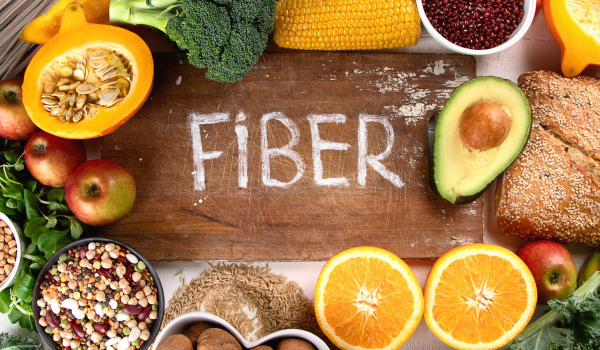
Fiber Supports Microbial Diversity
Whole grains, fruits, vegetables, and legumes feed beneficial bacteria that support vitamin production.
Probiotics And Prebiotics Enhance Efficiency
Fermented foods introduce helpful bacteria, while high-fiber foods feed them.
Gut health is the gateway to whether nutrients nourish your cells.
Eating Rhythm And Nutrient Utilization
When you eat determines how nutrients are processed.
Consistent Meals Support Steady Nutrient Flow
Spacing meals throughout the day prevents extreme hunger and glucose spikes.
Skipping Meals Weakens Utilization
Long fasting gaps may cause overeating later, making nutrient timing less efficient.
Small Balanced Meals Improve Absorption
The body handles moderate portions better than oversized meals.
Nighttime Eating Can Disrupt Digestion
Late meals interfere with sleep and digestive rest, limiting nutrient processing.
The right rhythm helps the body use nutrients without stress or overload.
Food Pairing And Bioavailability
Some nutrients work better together.
Vitamin C Enhances Iron Absorption
Pairing citrus or berries with beans, lentils, or greens improves iron uptake.
Healthy Fats Improve Vitamin Absorption
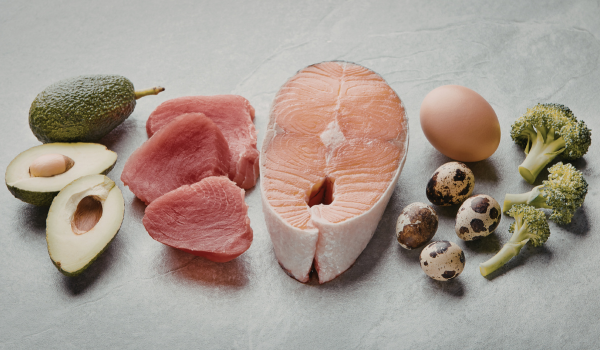
Vitamins A, D, E, and K require fat sources like avocado or nuts to absorb properly.
Fermented Foods Support Overall Utilization
Diets that include yogurt, kefir, miso, or kimchi improve vitamin access.
Too Much Fiber Can Block Some Minerals
Balance matters—extremes on either side reduce efficiency.
Pairing foods wisely unlocks more value from the meals you already eat.
Conclusion
Your lifestyle determines how effectively your body can use the nutrients you consume. Sleep repairs and stabilizes metabolism, hydration transports vitamins and minerals, movement signals the body to use fuel efficiently, and stress can either support or disrupt the entire system. Gut health, food timing, and smart food pairing further influence how much nourishment you absorb from meals. Instead of focusing solely on what you eat, consider how your daily habits create the conditions for nutrients to work. When lifestyle supports nutrition, your body gains the energy, clarity, and strength that come from truly absorbing and utilizing food—not just consuming it.













.png)
.png)
.png)


.png)
.png)

.png)
.png)
.png)
.png)
.png)
.png)
.png)



.png)
.png)
.png)
.png)
.png)
.png)


.png)
.png)

.png)