.png)
Most people think of nutrition and lifestyle as separate ideas—what you eat on one side, how you live on the other. But the human body does not divide them so neatly. The food you choose affects your sleep, mood, physical abilities, and daily habits. At the same time, movement, stress levels, sleep patterns, and social interactions impact hunger, cravings, metabolism, and nutrient needs. Together, lifestyle and nutrition form a loop where each influences the other. When both are aligned, energy rises, health improves, and life feels more manageable. When one falls out of balance, the other often follows, leading to fatigue, stress, and unhealthy choices.
Nutrition Provides The Fuel Your Lifestyle Relies On
Every activity—from thinking and learning to walking and exercising—relies on nutrients.
Food Powers Movement And Function
Carbohydrates, fats, and proteins provide the fuel your body needs for daily tasks. Whether you’re cleaning the house, commuting to work, or exercising at the gym, food supplies the energy currency that muscles and brain cells depend on.
Micronutrients Support Internal Processes
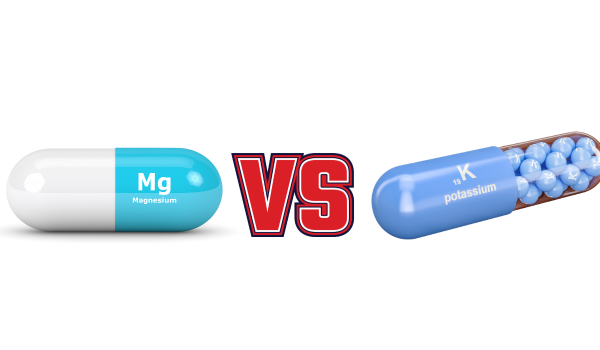
Vitamins and minerals help your body convert food into energy, build cells, repair tissues, and maintain immune function. Without adequate iron, magnesium, vitamin D, B vitamins, or zinc, even simple activities can feel taxing.
Eating Patterns Shape Daily Performance
Skipping meals, eating heavily processed foods, or relying on sugary snacks create fluctuations in energy that can show up as irritability, distraction, or sluggishness. On the other hand, steady nutrient intake supports focus and productivity.
Nutrition is the silent partner behind every lifestyle choice you make.
Lifestyle Habits Influence How Well Your Body Uses Food
Even the most nutritious meals can’t reach their full benefit if other habits undermine them.
Sleep Impacts Metabolism And Appetite
Inadequate or inconsistent sleep increases hunger hormones, reduces satiety signals, and boosts cravings—especially for sugary or high-fat foods. Well-rested bodies are more efficient at using energy and balancing blood sugar.
Movement Helps Regulate Nutrient Use
Exercise increases insulin sensitivity, helping the body use glucose effectively. Strength training builds muscle, which improves metabolic rate and the ability to store energy in healthier ways. Sedentary routines slow digestion and energy turnover.
Stress Alters Food Choice And Digestion
Chronic stress raises cortisol, which can lead to overeating or appetite suppression, depending on the person. High stress also interferes with digestion, nutrient absorption, and gut balance.
Social Patterns Shape Food Behaviors
People often match the eating and lifestyle habits of those around them—whether healthy or not. Supportive environments and routines make nutritious choices easier.
How you live determines how well your body processes, stores, and benefits from food.
The Relationship Between Movement And Eating
Nutrition and physical activity operate as partners—not competitors.
Energy Balance Adjusts To Activity Level
Highly active individuals require more calories and protein to fuel movement and repair muscles. People with more sedentary routines need fewer calories but still require essential nutrients to support organ function and brain activity.
Post-Exercise Nutrition Enhances Recovery
Protein aids muscle repair, while carbohydrates replenish energy stores. Hydration replaces lost fluids and electrolytes. Without supportive nutrition, progress slows, fatigue increases, and injury risk rises.
Exercise Helps Regulate Hunger
Moderate exercise can stabilize appetite signals. Meanwhile, extreme exercise paired with inadequate fueling may increase cravings and emotional eating later in the day.
Eating to support your level of activity creates a smoother, more energized lifestyle.
Stress, Mood, And Their Connection To Food Choices
Mental and emotional states are closely tied to nutritional well-being.
Stress Can Drive Overeating Or Undereating
People naturally reach for sugary or high-fat foods when overwhelmed because these options provide fast relief. Others may lose their appetite entirely. Neither extreme supports long-term health.
Certain Foods Influence Mood Chemistry
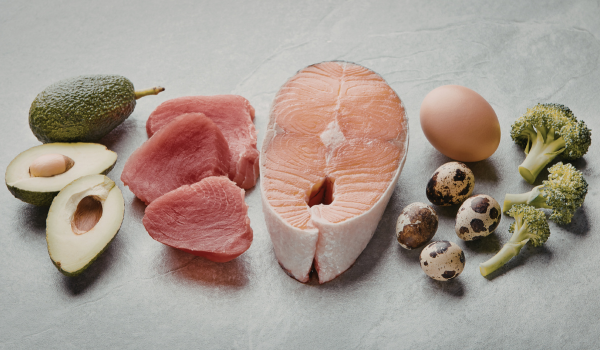
Omega-3 fats, whole grains, leafy greens, berries, and nuts provide nutrients that support neurotransmitter production and reduce inflammation related to low mood or brain fog.
Habits Change Under Pressure
Busy or stressful periods often lead to convenience eating—fast food, take-out, or mindless snacking. Preparing simple staples ahead of time helps prevent this shift.
Eating and mental wellness are woven together more tightly than most realize.
Sleep, Rhythm, And Nutrient Balance
Daily energy depends on restoring the body at night.
Poor Sleep Increases Cravings And Weight Gain Risk
Hormones that control hunger become dysregulated when sleep is limited. This creates stronger desires for calorie-dense foods and lowers willpower to choose healthier options.
Sleep Quality Determines Metabolic Efficiency
Deep sleep supports metabolic stability, muscle recovery, and blood sugar control. Without enough rest, the body becomes less effective at using the calories you eat.
Evening Eating Habits Influence Sleep
Heavy meals or caffeine late at night interfere with sleep cycles. Gentle, balanced dinners combined with earlier timing make sleep easier and more restorative.
Sleep and nutrition shape each other continuously across the day-night cycle.
Building Daily Routines That Integrate Food And Lifestyle
You don’t need complicated rules—just consistent patterns that reinforce both sides of wellness.
Start With A Nutritious Breakfast
Protein, fiber, and complex carbohydrates set up energy and blood sugar for the morning. Eggs, oats, yogurt, nut butter, fruit, or whole-grain toast are simple choices.
Move At Regular Intervals
Short walks, stretching breaks, or light workouts counteract long sitting sessions. Your body digests food more efficiently when it stays active.
Hydrate Throughout The Day
Water facilitates circulation, digestion, and cognitive clarity. Carrying a bottle is a small habit that supports nearly every system.
Plan Meals Just One Step Ahead
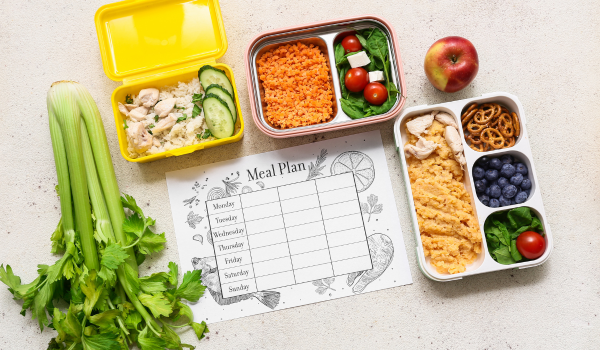
Even simple preparation—washing fruit, cooking protein, packing lunch—reduces the chance of relying on fast food or skipping meals.
Nutrition and routine cooperate best when they are both simple and sustainable.
Small Changes Multiply Over Time
You don’t need perfection to see improvement—just consistency.
Add Before You Subtract
Instead of removing foods, add more produce, water, whole grains, and lean protein. These additions naturally guide other habits to shift.
Build A Personal Pattern
Morning smoothie, Sunday meal prep, a daily piece of fruit, or nightly walk—what matters is repetition, not scale.
Let Your Lifestyle Inform Your Eating
Active days might require larger meals. Rest days may need lighter choices. Listening to your body creates a flexible and responsive routine.
Health improves when nutrition and daily habits evolve together rather than compete.
Conclusion
Lifestyle and nutrition are inseparable partners in shaping health, energy, and long-term well-being. Food supplies the fuel your body needs for movement, mental clarity, emotional balance, and everyday functioning. Meanwhile, sleep, stress, physical activity, hydration, and daily routines determine how effectively the body uses that fuel. The best results come from aligning both—fueling your body well and supporting it with habits that encourage strength, focus, and stability.
Start today by choosing one habit to improve—add vegetables, drink more water, walk after meals, or set a consistent bedtime—and watch how each simple decision strengthens both nutrition and lifestyle together.












.png)
.png)
.png)


.png)
.png)

.png)
.png)
.png)
.png)
.png)
.png)
.png)



.png)
.png)
.png)
.png)
.png)
.png)


.png)
.png)

.png)