
.png)
When people imagine improving their health, they often picture dramatic transformations—completely changing their diet, working out every day, or cutting out entire food groups. But major changes are rarely necessary and almost never sustainable in real-world life. The truth is far more encouraging: meaningful health improvement is built from small daily habits repeated over time. Every glass of water, every balanced meal, every extra ten minutes of movement, and every night of better sleep shapes future well-being. Small actions may not feel powerful in the moment, but they quietly build strength, stability, and resilience. Over months and years, these simple choices compound into big results that no short-term diet or extreme routine can match.
Why Small Changes Often Work Better Than Big, Drastic Shifts
Large goals can be exciting, but they are also demanding and difficult to maintain.
Drastic Changes Lead To Burnout
Eliminating favorite foods, counting every calorie, or forcing rigid schedules depletes energy and motivation. Once the initial determination fades—as it naturally will—most people return to old patterns.
Small Changes Require Less Effort To Sustain
Adding a vegetable to dinner or walking around the block takes minimal energy. These choices are easy to fit into busy days, stressful seasons, or unpredictable schedules.
Tiny Successes Build Confidence
Completing one small habit gives a sense of progress. Progress fuels confidence, and confidence leads to more efforts. This positive feedback loop makes long-term success much more attainable.
Big results rarely come from big actions. They come from small actions that you can repeat week after week.
The Power Of Compound Effect In Everyday Health
When healthy choices become consistent, they multiply over time.
One Better Meal Adds Up Over Months
A single balanced lunch may not change much, but 200 balanced lunches in a year can transform energy levels, digestion, and metabolism.
Walking Adds Hours Of Movement Without Overwhelm
Ten minutes of walking per day adds up to more than 60 hours of movement each year—enough to meaningfully support heart health, circulation, and stress reduction.
Tiny Hydration Habits Strengthen Systems
Replacing just one daily soda with water removes pounds of added sugar annually, supports kidney function, and improves skin and mental clarity.
Small changes done consistently produce results as powerful—or more powerful—than intense but short-lived efforts.
Simple Food Swaps That Make A Big Difference
Replacing—not restricting—helps people achieve lasting health improvement.
Choose Whole Grains Over Refined Starches
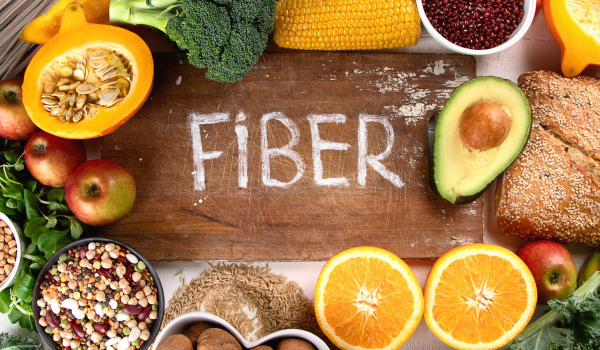
Whole wheat bread, brown rice, oats, and quinoa provide fiber, vitamins, and steady energy. Over time, this supports heart health and appetite control.
Add Vegetables To Meals You Already Like
Throw spinach into pasta, add extra toppings to tacos, or include a side salad. You increase nutrients without changing your favorite foods.
Swap Sugary Drinks For Water Most Of The Time
You don’t need to eliminate soda completely—just reducing intake improves energy stability and long-term metabolic health.
Keep Snacks Balanced Instead Of Processed
Fruit, nuts, yogurt, cheese sticks, or whole-grain crackers offer longer-lasting fuel than chips or candy.
These small shifts increase nutrients, lower sugar intake, and stabilize energy—without stress or sacrifice.
Small Movement Habits That Strengthen The Body
You don’t need a gym membership or long hours of exercise to improve fitness.
Start With Short Walks
Walking after meals aids digestion, balances blood sugar, and improves mood. Over time, it supports heart and joint health.
Take Standing Or Stretching Breaks
Sitting for long periods slows metabolism and increases stiffness. Standing up once per hour restores circulation and energy.
Add Bodyweight Strength Moves
Squats, lunges, or modified push-ups—even five minutes per day—help preserve muscle, improve posture, and stabilize joints.
Make Activity Part Of Daily Routine
Parking farther from the store, taking the stairs, or gardening provides physical benefits without requiring dedicated workouts.
Small movements accumulate into a stronger, more capable body.
Tiny Sleep Improvements With Big Payoffs
Sleep is one of the most impactful but overlooked aspects of long-term health.
Create A Simple Bedtime Wind-Down
Turning off screens earlier or dimming lights helps the brain relax, improving sleep quality without adding stress.
Aim For Even Slightly Earlier Bedtimes
Going to bed 15 minutes earlier each night adds nearly two hours of extra rest per week—enough to improve mood, hunger control, and focus.
Protect Mornings With Better Routines
Hydration, sunlight exposure, and consistent waking times reinforce sleep cycles and support energy all day long.
Over time, small adjustments to sleep hygiene create better metabolism, emotional balance, and cognitive performance.
Managing Stress In Small, Achievable Steps
Reducing stress doesn’t require major life changes—just consistent tiny tools.
Practice Micro-Rest Throughout The Day
Taking one minute to breathe deeply, stretch, or step outside resets the nervous system and lowers cortisol.
Choose Activities That Bring Joy, Even Briefly
Reading a few pages of a book, listening to music, playing with pets, or connecting with a friend improves emotional resilience.
Limit Multi-Tasking When Possible
Focusing on one task at a time reduces mental strain and increases efficiency—saving time, energy, and stress.
Stress can derail healthy habits, so supporting emotional well-being one moment at a time helps behavior stay on track.
How Small Changes Become Lifelong Patterns
The brain adapts to repetition, making habits automatic.
Small Habits Build Identity
Drinking water in the morning becomes “what you do.” Packing lunch becomes routine rather than effort. Eventually, healthy choices feel natural.
Momentum Creates Motivation
Successful habits support more habits. Eating breakfast leads to better energy, which motivates movement, which encourages better sleep.
Flexibility Keeps Habits Alive
When habits are small, they survive busy weeks, travel, stress, and holidays. You can continue them without disruption.
Little steps shape not just behavior—but mindsets, choices, and daily rhythms.
Conclusion
Large health transformations rarely begin with dramatic changes. They grow from small choices repeated again and again—choosing a healthier snack, adding a short walk, drinking more water, going to bed a little earlier, or including vegetables with dinner. These decisions may feel insignificant in the moment, but they gradually build strength, resilience, energy, and well-being. Small, steady changes are easier to maintain, easier to adapt, and far more likely to last than extreme routines.
Choose one small step today—just one—and trust that every step forward builds the future you want to live in. Explore more simple habits, and let time turn your consistency into powerful long-term results.














.png)
.png)
.png)


.png)
.png)

.png)

.png)
.png)
.png)
.png)
.png)
.png)



.png)
.png)
.png)
.png)
.png)
.png)


.png)
.png)

.png)


