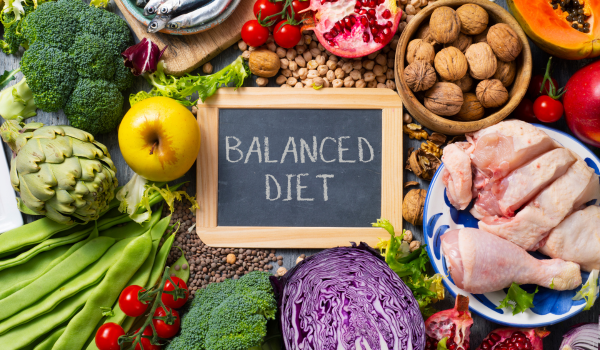
Balanced nutrition is a phrase people hear constantly, but it often feels vague or difficult to define. Does it mean eating perfectly? Tracking every calorie? Cutting out bread, dessert, or favorite foods? In reality, balanced nutrition is far simpler—and more flexible. It is about eating in a way that fuels your body consistently, supports long-term health, and fits naturally into the life you already live. By understanding what balanced nutrition truly looks like from day to day, you can make choices that feel supportive rather than stressful.
Balanced Nutrition Focuses On What You Add, Not Just What You Avoid
Too many eating plans revolve around restrictions, but balanced nutrition is about nourishment, variety, and abundance.
Adding More Nutrient-Dense Foods
A balanced approach prioritizes fruits, vegetables, whole grains, lean proteins, and healthy fats.
Making Space For Enjoyment
Sweet cravings or comfort foods can fit without guilt when they are part of an overall nourishing pattern.
Including A Mix Of Food Groups
Meals that combine carbohydrates, protein, and fat provide lasting satisfaction and energy.
Finding What Helps Your Body Feel Good
Instead of rules, balanced nutrition encourages curiosity and awareness about how different foods affect you.
Balanced eating is built on inclusion, not deprivation.
Understanding Macronutrients And Why Your Body Needs All Three
A balanced diet respects the purpose of proteins, fats, and carbohydrates instead of labeling them good or bad.
Carbohydrates Provide Ready Energy
Carbs from whole grains, fruits, and legumes fuel your brain and muscles.
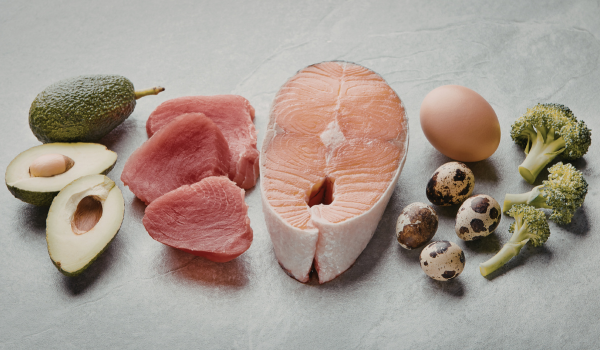
Protein Supports Repair And Strength
Protein keeps bones, muscles, tissues, enzymes, and hormones strong and functional.
Fat Helps Nutrient Absorption
Healthy fats from nuts, seeds, fish, avocados, and oils support brain function and vitamin absorption.
Balance Beats Extremes
Eliminating or overloading any one macronutrient throws the body out of rhythm.
Your body feels best when each nutrient has a consistent role in your daily meals.
Balanced Nutrition Means Eating Regularly And Consistently
Timing plays a crucial part in how balanced eating feels.
Regular Meals Support Energy And Focus
Fueling every few hours prevents dips in mood and productivity.
Skipping Meals Can Backfire
Waiting too long to eat increases cravings, slows energy, and encourages overeating later.
Snacking Can Be Useful
Well-chosen snacks—fruit, yogurt, nuts, vegetables, or whole grains—bridge long gaps between meals.
Gentle Structure Helps, Not Rigidity
Consistency stabilizes appetite cues, while flexibility makes habits realistic.
Regular nourishment is the foundation that keeps nutrition sustainable.
Balanced Nutrition Supports Both Body And Mind
True balance addresses physical hunger and emotional satisfaction.
Food Provides Comfort And Connection
Meals are part of celebrations, family traditions, and social life.
Satisfaction Matters
When meals feel enjoyable and filling, cravings and overeating naturally decrease.
Ignoring Preferences Leads To Rebound Eating
Deprivation often causes increased fixation on restricted foods.
A Balanced Diet Can Include Indulgences
Desserts, snacks, and favorite meals can be part of a healthy pattern when not consumed out of stress or starvation.
A well-balanced approach respects emotional well-being just as much as nutrients.
Balance Happens Over Time—Not In A Single Meal
One meal or one day never defines your diet.
Nutrition Averages Out Across Days And Weeks
Some days are vegetable-heavy; others are treat-heavy—both fit into balance long-term.
You Don’t Need Perfection
Eating well most of the time delivers meaningful health benefits without pressure.
Course Correction Is Natural
When eating feels unbalanced one day, the body naturally gravitates toward more nourishing foods later.
All Foods Fit
Balance acknowledges reality—life includes busy days, social events, cravings, and comfort.
Looking at patterns instead of moments makes eating healthier feel achievable and sustainable.
Listening To Your Body Is Part Of Balanced Eating
Internal cues can guide food choices better than external rules.
Hunger Signals Guide Timing
Eating when hungry prevents energy crashes and improves mood and focus.
Fullness Cues Prevent Overeating
Stopping at comfortable fullness can become easier with practice.
Noticing Satisfaction Helps With Choices
Meals that leave you satisfied reduce snacking from boredom or frustration.
Learning Takes Time
Tuning into hunger and fullness becomes easier as you build awareness.
Balanced nutrition is rooted in trust between you and your body.
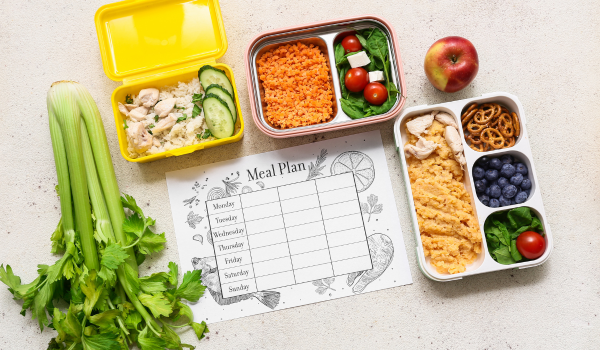
Building Balanced Meals Without Stress
A simple formula can guide everyday eating without tracking or measuring.
Fill Half Your Plate With Produce
Vegetables and fruits add volume, fiber, vitamins, minerals, and hydration.
Reserve One-Quarter For Protein
Lean meat, poultry, fish, beans, tofu, eggs, and dairy support muscle and hormone health.
Use The Remaining Quarter For Smart Carbohydrates
Whole grains, starchy vegetables, and legumes provide energy and satisfaction.
Add A Source Of Healthy Fat
Fats from nuts, seeds, avocados, or oils make meals flavorful and satisfying.
This practical structure keeps meals nourishing, flexible, and quick to assemble.
How Balanced Nutrition Feels In Real Life
Balanced eating does not feel rigid—it feels supportive.
You Have Steady Energy
No dramatic dips, crashes, or urgent cravings.
You Feel Comfortably Full After Meals
Not stuffed, but satisfied enough to keep going.
You Can Enjoy Meals Without Anxiety
Food becomes enjoyable rather than stressful.
You Trust Your Choices
Decisions feel easier because habits align with goals and preferences.
Balance feels like a partnership between nourishment and pleasure, not a tug-of-war.
Conclusion
Balanced nutrition is not about perfection, restriction, or strict rules. It is the practice of fueling the body regularly with a mix of nutrients, eating meals that provide energy and enjoyment, and honoring hunger, fullness, and personal preference. It allows room for flexibility while encouraging consistency. It supports physical vitality and emotional well-being at the same time. By focusing on patterns rather than single meals and embracing foods that nourish and satisfy, balanced nutrition becomes less of a challenge and more of a supportive daily routine—one that naturally fits into real, everyday life.











.png)
.png)

.png)



.png)
.png)

.png)
.png)
.png)
.png)
.png)
.png)
.png)



.png)
.png)
.png)
.png)
.png)
.png)


.png)
.png)

.png)