
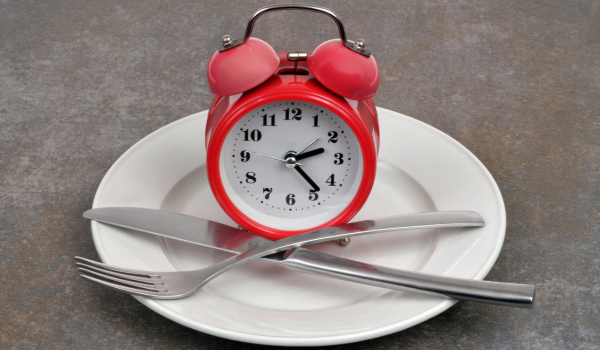
Advice about when to eat often sounds universal—eat breakfast early, avoid late dinners, space meals evenly. Yet in real life, people experience meal timing very differently. Some feel best eating early and often, while others naturally eat later or prefer fewer meals. What works well for one person may leave another feeling tired, bloated, or unfocused.
These differences are not signs of poor discipline or unhealthy habits. They reflect how individual bodies respond to food timing based on biology, lifestyle, and personal needs. Understanding why meal timing feels different for everyone can help you stop comparing your eating schedule to others and start listening to what works for you.
The Body Does Not Follow One Universal Clock
Internal Rhythms Vary Between Individuals
Every person has a unique internal rhythm that influences hunger, digestion, and energy. While circadian rhythms guide sleep and wake cycles, how these rhythms interact with eating differs from person to person.
Hunger Hormones Are Individualized
Hormones that regulate hunger and fullness respond to habitual patterns. Someone who regularly eats later may naturally feel hungrier later in the day, while early eaters may lose appetite at night.
Metabolism Is Not Identical Across Bodies
Metabolic responses to food timing vary based on genetics, muscle mass, activity level, and overall health. This means identical meal schedules can produce very different outcomes.
Lifestyle Plays A Major Role In Meal Timing Preferences
Work Schedules Influence Hunger Patterns
Shift workers, freelancers, caregivers, and people with irregular hours often experience hunger at times that do not match traditional meal schedules.
Physical Activity Changes Timing Needs
People who are more active may need food earlier or more frequently to support energy, while sedentary days may naturally reduce appetite.
Stress Affects Appetite Timing
Stress can suppress hunger in some people and increase it in others. This influences when eating feels comfortable or necessary.
Digestive Comfort Varies With Timing
Some Digestive Systems Prefer Smaller, Frequent Meals
People prone to bloating, acid discomfort, or digestive sensitivity may feel better eating smaller amounts more often.
Others Digest Better With Fewer Meals
Some individuals feel more comfortable allowing longer gaps between meals, giving digestion time to rest.
Eating Too Early Or Too Late Can Feel Uncomfortable
What feels “too late” for one person may feel perfectly normal for another, depending on digestion speed and daily routine.
Energy Needs Shape Meal Timing Preferences
Morning Energy Levels Differ
Some people wake up hungry and energized, while others need time before food feels appealing. Forcing early meals can reduce comfort for those who naturally eat later.
Afternoon Energy Patterns Vary
Midday energy dips are common but not universal. Meal timing that stabilizes energy for one person may cause sluggishness for another.
Evening Hunger Is Not Always A Problem
Evening hunger can be a natural response to long days, physical activity, or insufficient daytime intake—not a sign of poor habits.
Cultural And Social Influences Matter
Cultural Eating Patterns Differ Worldwide
In many cultures, late dinners are normal and associated with good health. These traditions shape how bodies adapt to timing.
Family And Social Routines Shape Habits
Shared meals, work hours, and social expectations influence when eating feels natural.
Comparison Creates Unnecessary Pressure
Comparing meal timing across different lifestyles often leads to confusion rather than clarity.
Why “Ideal” Meal Timing Advice Often Fails
General Advice Ignores Individual Context
Recommendations are often based on averages, not personal needs.
Rigid Timing Can Disrupt Body Awareness
Following strict schedules may cause people to eat without hunger or ignore hunger cues entirely.
Consistency Matters More Than Exact Timing
The body adapts best to patterns that are regular—even if they are unconventional.
Signs Your Meal Timing Works For You
Energy Feels Steady Most Of The Day
You are not constantly crashing or relying heavily on stimulants.
Hunger Feels Predictable
You recognize hunger before it becomes extreme.
Digestion Feels Comfortable
Meals do not consistently cause bloating, heaviness, or discomfort.
Eating Feels Supportive, Not Stressful
Food timing fits into your life without constant mental effort.
Signs Meal Timing May Need Adjustment
Frequent Energy Crashes
This may signal long gaps between meals or mismatched timing.
Digestive Discomfort After Meals
Timing may not align well with digestion needs.
Constant Grazing Or Overeating
Irregular timing can disrupt hunger signals.
Feeling Forced To Eat Or Avoid Eating
This often indicates external rules overriding body cues.
How To Find Your Own Meal Timing Rhythm
Observe Without Judgment
Notice when hunger naturally appears and how you feel after eating at different times.
Adjust Gradually
Small changes are more effective than drastic shifts.
Use Energy And Comfort As Guides
Focus on how food timing affects how you feel, not what others recommend.
Allow Flexibility
Your ideal timing may change with seasons, stress levels, or life phases.
Meal Timing Is Not Static Over A Lifetime
Life Stages Change Needs
Age, work demands, family responsibilities, and health conditions all influence timing.
Activity Levels Shift Patterns
Periods of higher or lower activity require different eating rhythms.
Listening Matters More Than Rules
The body’s feedback evolves—and eating patterns should evolve with it.
Long-Term Benefits Of Personalized Meal Timing
Improved Energy And Focus
Eating aligns better with real needs.
Better Digestive Comfort
Meals feel easier to tolerate.
Stronger Relationship With Food
Food timing becomes intuitive rather than stressful.
Greater Sustainability
Habits last because they fit your life.
Conclusion
Meal timing feels different for everyone because bodies, lifestyles, and needs are different. There is no single schedule that works universally, and forcing yourself into someone else’s eating pattern can create discomfort rather than health. When you understand that variation is normal, it becomes easier to trust your body’s signals.
By paying attention to hunger, energy, digestion, and daily rhythm, you can find a meal timing pattern that supports balance without rigid rules. Healthy eating is not about eating at the “right” time—it is about eating at the right time for you.
Explore more practical nutrition insights on Health365s.com to continue building eating habits that work with your body, not against it.














.png)
.png)

.png)



.png)
.png)

.png)

.png)
.png)
.png)
.png)
.png)
.png)



.png)
.png)
.png)
.png)
.png)
.png)


.png)
.png)

.png)


