Many people associate nutrition with rules—what to eat, what to avoid, when to eat, and how much. Over time, these rules can create stress, guilt, and confusion rather than clarity. While rules may offer short-term structure, they often disconnect people from their own bodies and needs.
Nutrition awareness offers a different approach. Instead of following external rules, it focuses on understanding how food affects energy, mood, digestion, and daily comfort. Building awareness without diet rules helps create eating habits that feel supportive, flexible, and sustainable—especially in real life, where routines change and perfection is unrealistic.
What Nutrition Awareness Really Means
Awareness Is About Observation, Not Control
Nutrition awareness involves noticing how foods make you feel physically and mentally, without labeling choices as good or bad.
It Focuses On Internal Feedback
Energy levels, hunger, fullness, digestion, and mood provide valuable information about what the body needs.
Awareness Is Neutral And Curious
Rather than judging choices, awareness encourages curiosity and learning.
Why Diet Rules Often Get In The Way
Rules Can Override Body Signals
Strict rules may encourage eating by the clock or plan rather than by hunger and energy needs.
All-Or-Nothing Thinking Increases Stress
Breaking a rule often feels like failure, leading to guilt or overeating.
Rules Rarely Adapt Well To Real Life
Busy days, social events, and stress can make rigid plans hard to maintain.
How Awareness Supports Better Eating Decisions
Decisions Become Context-Based
Instead of asking “Is this allowed?”, awareness asks “What do I need right now?”
Eating Becomes More Responsive
Food choices adjust based on activity level, stress, and energy.
Confidence Replaces Confusion
Understanding personal patterns reduces reliance on external advice.
Learning To Recognize Hunger And Fullness
Hunger Has Many Forms
Hunger may show up as stomach sensations, low energy, irritability, or difficulty focusing.
Fullness Is Not One Fixed Point
Comfortable fullness feels different depending on the meal and time of day.
Awareness Improves With Practice
Regular nourishment helps hunger and fullness signals become clearer.
Paying Attention To Energy And Mood
Energy Is A Key Feedback Signal
Feeling energized or sluggish after meals provides useful information.
Mood Often Reflects Fuel Balance
Irritability or anxiety may signal low or inconsistent energy intake.
Patterns Matter More Than Single Meals
Awareness looks at trends across the day or week.
Understanding Digestive Feedback
Digestive Comfort Offers Insight
Bloating, heaviness, or ease of digestion help guide food choices.
Timing And Portions Matter
Awareness includes noticing how meal timing and size affect comfort.
Digestive Signals Are Individual
What feels good for one person may not feel good for another.
Building Awareness Without Tracking Or Measuring
No Numbers Required
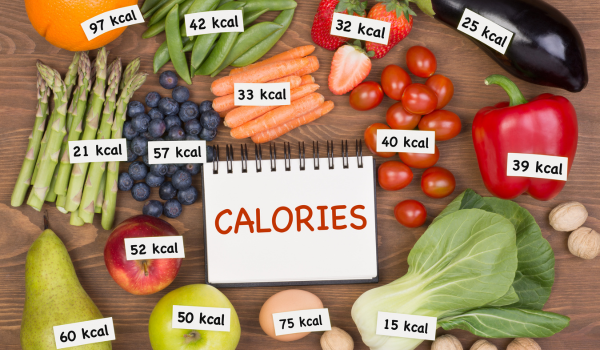
Awareness does not rely on calorie counting, macros, or apps.
Simple Check-Ins Are Enough
Asking “How do I feel right now?” builds awareness over time.
Consistency Supports Clarity
Regular eating patterns make feedback easier to interpret.
Using Curiosity Instead Of Judgment
Replace Labels With Questions
Instead of “I shouldn’t have eaten that,” try “How did that affect me?”
Mistakes Become Information
Uncomfortable outcomes provide learning, not failure.
Curiosity Encourages Growth
Awareness develops through exploration, not restriction.
How Awareness Reduces Emotional Eating
Physical Needs Become Clearer
Meeting hunger reduces emotional urgency around food.
Emotions Are Separated From Fuel Needs
Awareness helps distinguish emotional hunger from physical hunger.
Food Becomes Less Charged
Eating feels more intentional and less reactive.
Building Awareness In Everyday Life
Start With One Meal Or Snack
Notice how you feel before and after eating.
Observe Without Changing Everything
Awareness can grow even without immediate behavior changes.
Reflect Briefly, Not Obsessively
Short reflections are more effective than constant monitoring.
Why Awareness Is More Sustainable Than Rules
It Adapts To Life Changes
Awareness adjusts naturally to new schedules, stress levels, or routines.
It Builds Trust With The Body
Listening restores confidence in internal signals.
It Encourages Long-Term Consistency
Habits last longer when they feel supportive rather than forced.
Common Misconceptions About Rule-Free Eating
It Is Not About Ignoring Nutrition
Awareness often leads to more balanced choices over time.
It Is Not About Eating Without Structure
Patterns still exist, but they are flexible.
It Is Not About Perfection
Awareness values progress and learning.
Long-Term Benefits Of Nutrition Awareness
More Stable Energy
Food choices support daily demands more consistently.
Improved Digestive Comfort
Meals feel easier to tolerate.
Reduced Stress Around Food
Eating becomes calmer and less mentally exhausting.
Healthier Relationship With Eating
Food supports life rather than dominating it.
Why Awareness Builds Real Nutrition Skills
Skills Replace Rules
Understanding replaces memorization.
Choices Become Informed
Decisions are based on experience, not fear.
Confidence Grows Over Time
You learn to trust yourself around food.
Conclusion
Building nutrition awareness without diet rules shifts the focus from control to understanding. By paying attention to hunger, energy, mood, and digestion, eating becomes a responsive and supportive practice rather than a stressful one. This approach respects individuality and adapts to real life.
Over time, awareness helps food choices align naturally with well-being—without rigid rules or constant self-monitoring. Explore more practical nutrition insights on Health365s.com to continue building habits rooted in understanding, flexibility, and long-term balance.















.png)
.png)

.png)



.png)
.png)

.png)

.png)
.png)
.png)
.png)
.png)
.png)



.png)
.png)
.png)
.png)
.png)
.png)



.png)
.png)
.png)