
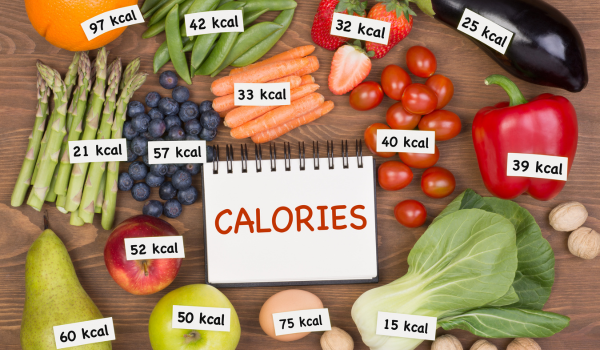
Satiety is often reduced to a numbers game, where fullness is measured only by calories consumed. This view suggests that eating fewer calories automatically leads to feeling satisfied, yet many people experience hunger even after a low-calorie meal. The reality is that satiety is shaped by complex biological and sensory processes, not by calorie count alone. Understanding what truly creates a sense of fullness can help people make food choices that support both comfort and long-term health.
What Satiety Really Means In The Body
Biological Definition Of Satiety
Satiety refers to the feeling of satisfaction that follows eating and suppresses the urge to eat again for a period of time. It is not the same as stomach fullness or the absence of hunger. Instead, it is a coordinated response involving hormones, nerves, and digestion. When food enters the stomach and intestines, signals are sent to the brain to indicate that energy and nutrients are being received. These signals gradually reduce appetite and increase the sense of contentment after a meal.
Satiety is influenced by how quickly the stomach empties, how nutrients are absorbed, and how the brain interprets chemical messages. A meal that creates strong satiety allows a person to go longer without thinking about food, even if it does not contain a large number of calories. This explains why some low-calorie meals leave people hungry soon after, while some moderate-calorie meals feel satisfying for hours.
Hormonal Signals Of Fullness
Several hormones play central roles in satiety. Cholecystokinin is released when fat and protein reach the small intestine, slowing digestion and increasing feelings of fullness. Peptide YY rises after eating and reduces appetite by acting on the brain. Leptin communicates long-term energy balance, while insulin also influences hunger and satiety through its effects on blood sugar and brain signaling.
These hormones respond more strongly to certain types of food and eating patterns than to calorie totals alone. Protein and fiber tend to stimulate satiety hormones more effectively than refined carbohydrates. Meals that digest slowly produce a more gradual and lasting hormonal response, supporting longer-lasting fullness.
Why Calories Alone Do Not Predict Fullness
Energy Density Versus Volume
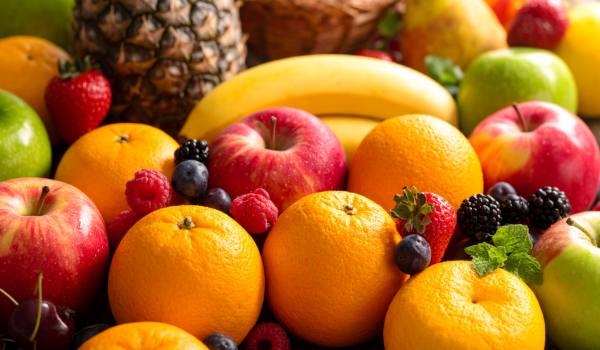
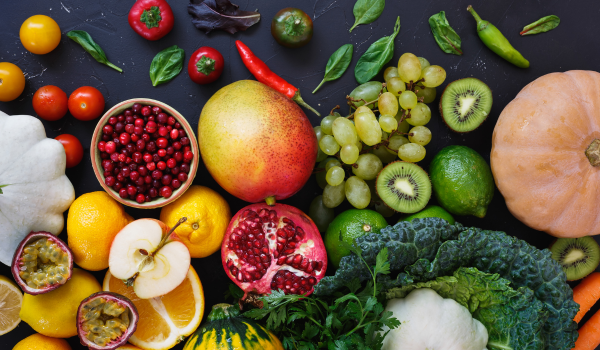
Calories measure energy, but they do not describe how much space food takes up in the stomach. Foods with high water and fiber content, such as vegetables and fruits, provide volume with relatively few calories. This physical volume stretches the stomach and activates stretch receptors that contribute to satiety. In contrast, foods high in fat and sugar can be calorie-dense but small in volume, providing little stomach expansion and weaker satiety signals.
A bowl of vegetable-based soup may contain fewer calories than a small pastry, yet the soup often feels more filling because it occupies more space and slows eating. This difference highlights why calorie counting alone cannot capture the experience of fullness.
Blood Sugar And Appetite
Rapid changes in blood sugar also affect satiety. Meals dominated by refined carbohydrates can cause quick rises and falls in glucose levels. After a spike, insulin drives glucose into cells, and a subsequent drop may trigger renewed hunger. This cycle can lead to feeling hungry soon after eating, even when calorie intake was high.
Balanced meals that combine carbohydrates with protein, fat, and fiber tend to produce steadier blood sugar responses. Stable glucose levels reduce sudden hunger signals and contribute to a more sustained sense of satisfaction. In this way, food quality influences satiety independently of calorie content.
Nutrients That Promote Lasting Satiety
Protein As A Satiety Anchor
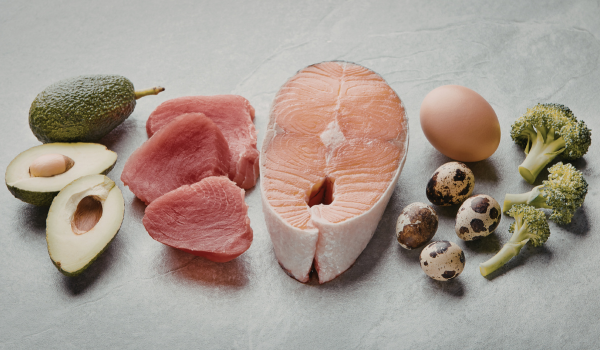
Protein consistently ranks as the most satiating macronutrient. It slows gastric emptying and stimulates hormones that suppress appetite. It also requires more energy to digest than carbohydrates or fat, slightly increasing metabolic expenditure and prolonging the feeling of fullness.
Including protein at each meal can reduce the likelihood of frequent snacking and overeating later in the day. Foods such as eggs, fish, beans, yogurt, and lean meats provide amino acids that support muscle maintenance while also contributing to appetite control.
Fiber And Digestive Pace
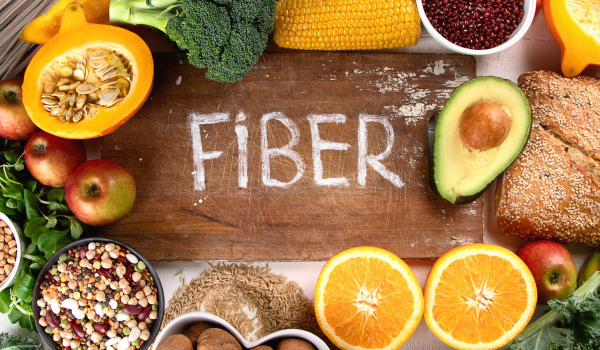
Fiber adds bulk to food without adding calories and slows the movement of food through the digestive tract. Soluble fiber forms a gel-like substance in the gut, delaying nutrient absorption and extending satiety. Insoluble fiber increases stool bulk and contributes to stomach stretch, reinforcing physical fullness.
High-fiber foods include whole grains, legumes, vegetables, and fruits with edible skins. These foods not only support digestion but also feed beneficial gut bacteria, which may further influence satiety through the production of short-chain fatty acids that interact with appetite-regulating hormones.
Healthy Fats And Sensory Satisfaction
Dietary fat enhances flavor and texture, increasing meal enjoyment and satisfaction. It also triggers the release of cholecystokinin, which slows digestion and supports fullness. While fat is calorie-dense, moderate amounts contribute to satiety by making meals more pleasurable and by prolonging digestion.
Combining fats with fiber and protein creates meals that feel complete rather than restrictive. This sensory and physiological satisfaction can reduce the desire for additional food shortly after eating.
The Role Of The Brain And Senses
Taste, Smell, And Meal Completion
Satiety is shaped not only by digestion but also by sensory experience. Taste and smell activate brain regions associated with reward and satisfaction. A meal that is flavorful and varied can signal completion more effectively than one that is bland, even if calorie content is similar.
Texture also matters. Chewing solid foods requires more time and effort than consuming liquids, giving the brain more opportunity to register fullness. This is one reason whole foods often feel more satisfying than processed or liquid-based meals.
Psychological Expectations And Beliefs
Beliefs about food influence how full a person feels. When a meal is perceived as nourishing and adequate, satiety may be stronger than when it is viewed as insufficient or restrictive. Studies have shown that people feel fuller after consuming foods labeled as hearty compared to the same foods labeled as light, even when calorie content is identical.
This effect suggests that the brain integrates expectations with physical signals. Eating in a calm environment and approaching meals without fear or guilt can enhance the natural satiety response.
Practical Ways To Build More Satisfying Meals
Balancing Macronutrients
Meals that include protein, fiber-rich carbohydrates, and healthy fats tend to promote longer-lasting satiety. This balance slows digestion, stabilizes blood sugar, and stimulates multiple satiety pathways at once. A plate built around vegetables, whole grains, and a protein source is more likely to sustain fullness than one based on refined starch alone.
Choosing Foods With High Satiety Value
Foods with high satiety value provide both volume and nutrients. Examples include soups with vegetables and legumes, salads with protein and healthy fats, and whole grains paired with beans or fish. These meals offer physical fullness, hormonal signals, and sensory satisfaction without excessive calories.
Eating With Attention
Satiety develops over time, and eating quickly can bypass its signals. Slower eating allows stretch receptors and hormones to communicate with the brain before too much food is consumed. Pausing during meals and noticing changes in hunger and comfort can help identify when satisfaction has been reached.
Respecting Natural Hunger Cycles
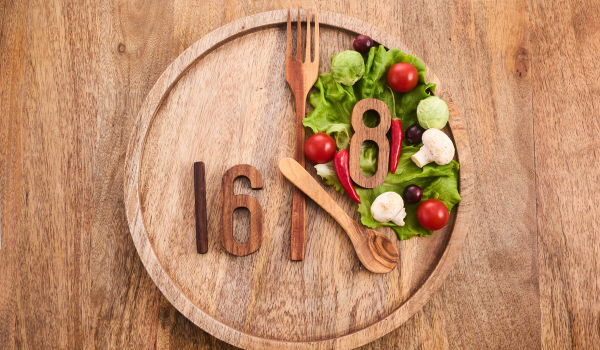
Eating in response to genuine hunger rather than strict schedules can also support satiety. When meals align with internal cues, the body’s regulatory systems work more effectively. Ignoring hunger for long periods may lead to intense appetite and reduced sensitivity to fullness later.
Satiety is a multidimensional experience shaped by hormones, nutrients, senses, and beliefs. Viewing fullness only through the lens of calories oversimplifies how the body regulates appetite and satisfaction. By focusing on food quality, balance, and sensory experience, people can create meals that feel truly satisfying without relying on rigid calorie limits. Explore more about how nutrients and eating patterns influence fullness, learn to recognize your own satiety signals, and take action today to build meals that nourish both body and mind.






.png)
.png)

.png)



.png)
.png)

.png)
.png)
.png)
.png)
.png)
.png)
.png)


.png)
.png)
.png)
.png)
.png)
.png)


.png)
.png)

.png)