.png)
Mood often feels unpredictable. One moment you feel calm and focused, the next irritable, anxious, or drained. While stress, sleep, and life events play major roles, food choices quietly influence how emotions rise and fall throughout the day. What you eat—and how consistently you eat—can shape daily mood patterns more than many people realize.
Food does not determine emotions on its own, but it strongly affects the biological systems that regulate mood, including blood sugar, brain chemistry, hormones, and gut health. Understanding this connection helps explain why some eating patterns support emotional balance while others create mood swings, even when life circumstances remain the same.
The Biological Link Between Food And Mood
The Brain Depends On Steady Fuel
The brain uses a significant amount of the body’s energy. When fuel is inconsistent, mood regulation becomes more difficult. Sudden drops in available energy can increase irritability, anxiety, and emotional sensitivity.
Neurotransmitters Are Built From Nutrients
Brain chemicals involved in mood—such as serotonin and dopamine—depend on nutrients from food. Without consistent nourishment, the body may struggle to produce and regulate these chemicals effectively.
Hormones Respond To Eating Patterns
Irregular eating or nutrient-poor meals can trigger stress hormones. Over time, this can make emotional responses feel more intense or harder to manage.
Blood Sugar Stability And Emotional Balance
Blood Sugar Swings Affect Mood Quickly
Meals high in refined carbohydrates or added sugars can cause rapid spikes followed by sharp drops in blood sugar. These fluctuations are often linked to irritability, restlessness, or sudden low mood.
Stable Blood Sugar Supports Calmness
Meals that include protein, fiber, and healthy fats help slow digestion and provide steady energy. This stability supports more even emotional responses.
Skipped Meals Can Amplify Emotional Reactions
Long gaps between meals may lead to low blood sugar, which can feel like anxiety, frustration, or emotional overwhelm rather than hunger.
The Role Of Food Quality In Mood Regulation
Nutrient-Dense Foods Support Brain Health
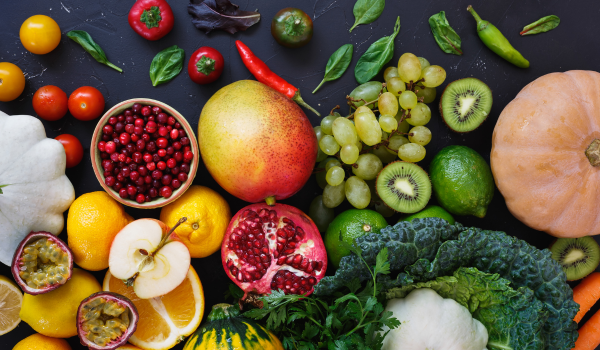
Foods rich in vitamins, minerals, and healthy fats support normal brain function and emotional resilience.
Highly Processed Foods May Increase Mood Fluctuations
Diets dominated by ultra-processed foods may lack key nutrients while increasing inflammation, which can influence mood over time.
Food Quality Influences Energy, Which Affects Mood
Low energy often feels like low motivation or irritability. Consistently nourishing foods help reduce this overlap.
How Regular Eating Patterns Affect Mood
Predictable Meals Reduce Emotional Volatility
Eating regularly helps regulate hunger hormones and reduces sudden emotional shifts caused by extreme hunger.
Overeating After Long Gaps Can Affect Mood
Large meals eaten after prolonged hunger may cause sluggishness or discomfort, which can impact emotional state.
Consistent Nourishment Supports Emotional Regulation
Regular meals help the nervous system stay balanced throughout the day.
The Gut-Brain Connection And Emotional Well-Being
Gut Health Influences Mood Signals
The digestive system communicates with the brain through nerves and chemical messengers. Digestive discomfort or imbalance can influence mood and stress perception.
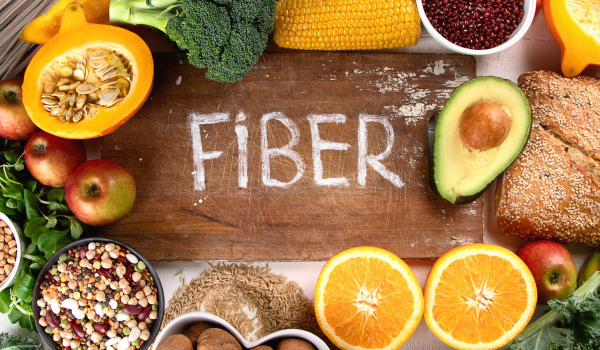
Fiber Supports Gut Comfort
Foods rich in fiber support healthy digestion and beneficial gut bacteria, which play a role in emotional health.
Digestive Comfort Supports Emotional Comfort
When digestion feels calm, the body spends less energy managing discomfort, allowing for better emotional balance.
How Dehydration Can Affect Mood
Mild Dehydration Impacts Emotional State
Even small fluid deficits can affect concentration, patience, and mood stability.
Hydration Supports Brain Function
Water is essential for cognitive performance and emotional regulation.
Dehydration Can Mimic Emotional Distress
Fatigue, headaches, or irritability are sometimes hydration signals rather than emotional issues.
Emotional Eating And Mood Cycles
Food Is Often Used To Regulate Emotions
Stress, boredom, or sadness may drive eating for comfort rather than hunger.
Temporary Relief Can Create Long-Term Patterns
Using food for emotional regulation may provide short-term relief but often leads to guilt or discomfort afterward.
Balanced Eating Reduces Emotional Extremes
When physical hunger and energy needs are met, emotional eating urges often feel less intense.
Signs Your Food Choices May Be Affecting Mood
-
Irritability between meals
-
Sudden mood drops or emotional sensitivity
-
Feeling anxious or restless when hungry
-
Brain fog or low motivation
-
Mood improvement shortly after eating
These patterns often reflect biological responses rather than personal shortcomings.
How To Use Food To Support More Stable Mood Patterns
Eat Before Hunger Becomes Extreme
Preventing intense hunger reduces emotional volatility.
Build Balanced Meals
Including protein, fiber, and healthy fats supports steady energy and mood.
Avoid All-Or-Nothing Thinking
One meal does not define emotional health. Patterns over time matter more.
Pay Attention To How Foods Make You Feel
Notice which foods support calmness and which tend to precede mood shifts.
Why Food Choices Affect People Differently
Individual Sensitivity Varies
Some people are more sensitive to blood sugar changes or food quality than others.
Lifestyle Factors Interact With Food
Stress, sleep, and activity level influence how food affects mood.
Needs Change Over Time
Life stages, routines, and health conditions can shift food-mood responses.
Long-Term Benefits Of Mood-Supportive Eating
Greater Emotional Stability
Fewer extreme mood swings across the day.
Improved Stress Tolerance
The body becomes more resilient under pressure.
Better Relationship With Food
Food becomes supportive rather than emotionally charged.
Enhanced Daily Well-Being
Mood patterns feel more predictable and manageable.
Conclusion
Food choices play a meaningful role in shaping daily mood patterns by influencing energy levels, brain chemistry, hormones, and gut health. While food is not the sole driver of emotions, consistent, balanced nourishment helps create a biological foundation that supports emotional stability.
By paying attention to how eating patterns affect mood—and making small, supportive adjustments—you can reduce emotional highs and lows throughout the day. Over time, these habits help food become a source of balance rather than disruption.
Explore more practical nutrition insights on Health365s.com to continue building habits that support both emotional and physical well-being.










.png)
.png)

.png)


.png)
.png)

.png)

.png)
.png)
.png)
.png)
.png)
.png)



.png)
.png)
.png)
.png)
.png)
.png)


.png)
.png)

.png)