
.png)
As the body ages, its nutritional needs gradually change. These changes do not happen overnight, but they influence how the body absorbs nutrients, uses energy, and maintains overall health. Understanding how aging affects nutrition helps individuals make informed choices that support strength, energy, and long-term well-being. Rather than focusing on restriction, aging well depends on nourishment, balance, and consistent care.
Why Nutritional Needs Change With Age
Aging affects nearly every system in the body.
Slower Metabolism
Metabolism naturally slows with age, changing energy needs.
Changes In Muscle Mass
Muscle mass decreases over time, affecting strength and energy use.
Altered Digestion And Absorption
The body may absorb certain nutrients less efficiently.
Shifts In Appetite And Thirst
Hunger and thirst signals may become less noticeable.
How Energy Needs Evolve Over Time
Energy requirements shift as activity levels change.
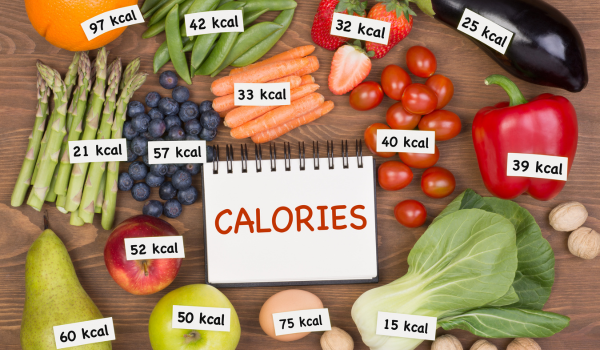
Lower Calorie Needs With Age
Reduced muscle mass lowers calorie needs.
Maintaining Energy Through Nutrient Density
Fewer calories require higher-quality nutrients.
Balancing Intake With Activity Levels
Energy needs vary depending on movement and lifestyle.
Preventing Energy Deficits
Adequate nutrition prevents fatigue and weakness.
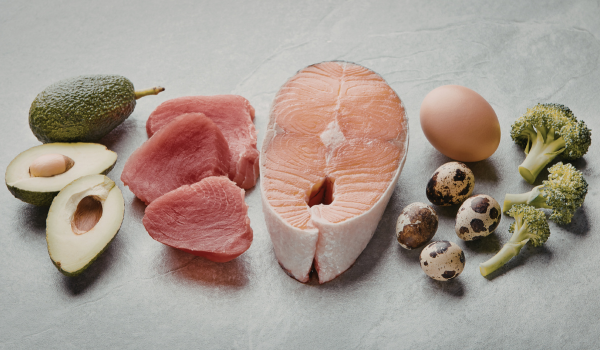
The Role Of Protein In Healthy Aging
Protein becomes increasingly important with age.
Supports Muscle Maintenance
Protein helps preserve strength and mobility.
Aids Tissue Repair
Repair processes slow with age and need support.
Supports Immune Function
Protein contributes to immune system health.
Helps Maintain Independence
Strong muscles support daily activities.
How Carbohydrate Needs Change With Age
Carbohydrates remain an important energy source.
Supporting Brain Function
Glucose continues to fuel mental activity.
Choosing Quality Carbohydrates
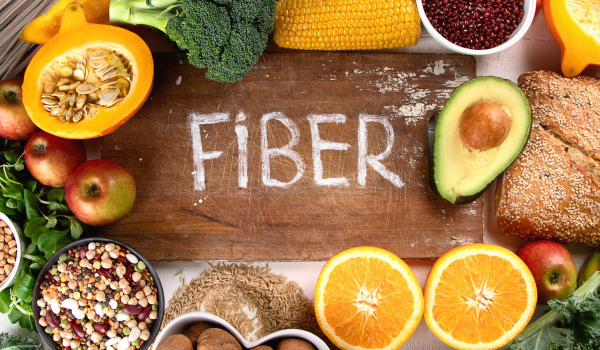
Whole grains and fiber-rich foods support stability.
Avoiding Blood Sugar Fluctuations
Balanced intake helps maintain steady energy.
Supporting Digestive Health
Fiber becomes increasingly important with age.
The Importance Of Healthy Fats As You Age
Healthy fats support many body functions.
Support Brain And Nerve Health
Fats contribute to cognitive function.
Aid Nutrient Absorption
Certain vitamins require fat for absorption.
Support Hormonal Balance
Healthy fats help regulate hormones.
Promote Heart Health
Balanced fat intake supports cardiovascular health.
Micronutrients That Become More Important With Age
Certain vitamins and minerals deserve extra attention.
Calcium Supports Bone Health
Bone density naturally declines with age.
Vitamin D Supports Calcium Absorption
It helps maintain bone strength.
Vitamin B12 Supports Nerve Function
Absorption may decrease over time.
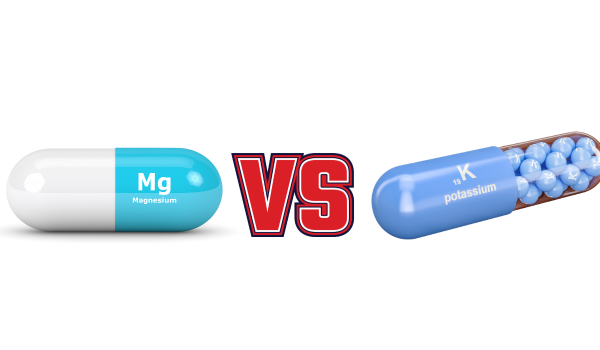
Magnesium Supports Muscle And Nerve Health
It contributes to movement and relaxation.
Hydration Needs Change With Age
Hydration becomes increasingly important.
Reduced Thirst Sensation
Older adults may not feel thirsty as often.
Hydration Supports Circulation
Fluids help move nutrients through the body.
Supports Digestion And Comfort
Adequate hydration aids digestion.
Prevents Fatigue And Confusion
Dehydration can affect energy and cognition.
How Aging Affects Digestion
Digestive efficiency often changes over time.
Slower Digestive Processes
Digestion may take longer.
Changes In Gut Bacteria
Gut balance can shift with age.
Reduced Enzyme Production
This can affect nutrient breakdown.
Importance Of Gentle, Nourishing Foods
Easily digestible foods support comfort.
Maintaining Muscle And Strength Through Nutrition
Preserving strength supports independence.
Protein Intake Supports Muscle Health
Regular intake helps slow muscle loss.
Balanced Meals Support Recovery
Nutrients aid muscle repair.
Strength-Supporting Nutrients Matter
Vitamins and minerals play supporting roles.
Nutrition Complements Physical Activity
Movement and nutrition work together.
Supporting Bone Health As You Age
Bones require consistent nutritional support.
Calcium Intake Remains Essential
Supports bone density.
Vitamin D Aids Absorption
Supports calcium use in the body.
Balanced Nutrition Reduces Bone Loss
A varied diet supports skeletal health.
Weight-Bearing Activity Enhances Strength
Movement complements nutrition.
How Appetite And Taste Change With Age
Sensory changes can affect eating habits.
Taste Sensitivity May Decline
Foods may seem less flavorful.
Smell Changes Can Affect Appetite
Reduced smell can lower interest in food.
Texture Preferences May Change
Comfort becomes more important.
Variety Helps Maintain Enjoyment
Different textures and flavors stimulate appetite.
How To Support Healthy Eating As You Age
Simple habits support long-term nutrition.
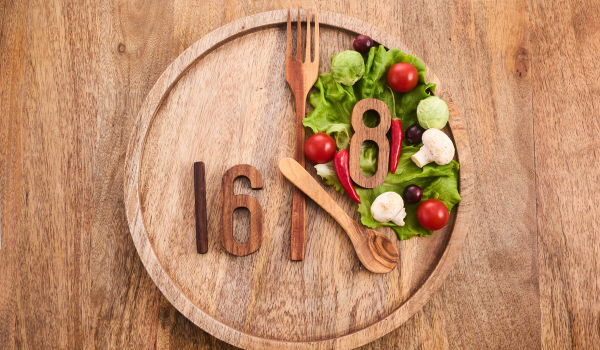
Eat Regular, Balanced Meals
Consistency supports energy.
Choose Nutrient-Dense Foods
Maximize nutrition per bite.
Stay Physically Active
Activity supports appetite and strength.
Listen To Your Body’s Needs
Adjust intake as needed.
The Role Of Routine In Healthy Aging
Routine supports consistency.
Regular Mealtimes Support Digestion
Predictability helps the body adapt.
Consistent Habits Support Energy
Routine improves stability.
Structure Reduces Nutritional Gaps
Planning supports balanced intake.
Simple Routines Promote Independence
Consistency supports daily functioning.
Supporting Long-Term Health Through Nutrition
Nutrition plays a key role in healthy aging.
Supports Physical Strength
Proper nutrition maintains mobility.
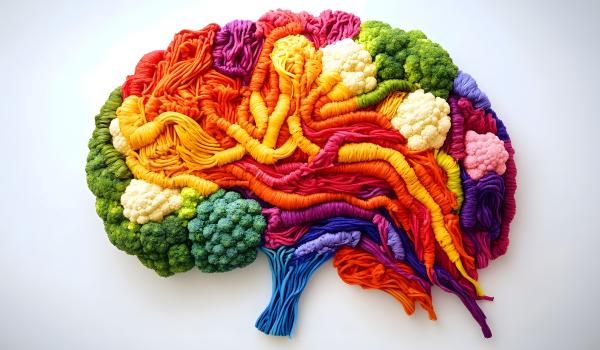
Enhances Mental Clarity
Nutrients support brain health.
Promotes Emotional Well-Being
Balanced nutrition supports mood.
Improves Quality Of Life
Healthy habits enhance daily living.
Conclusion
As the body ages, nutritional needs naturally evolve. Supporting health during this stage of life requires thoughtful attention to nutrient quality, hydration, and consistent eating habits. By adapting food choices to changing needs, it becomes possible to maintain energy, strength, and overall well-being. Aging well is not about restriction, but about nourishment that supports both body and mind for years to come.







.png)
.png)
.png)

.png)
.png)

.png)
.png)
.png)
.png)
.png)
.png)
.png)



.png)
.png)
.png)
.png)
.png)
.png)


.png)
.png)

.png)


