
.png)
Change is a natural part of life—starting a new job, moving to a new home, becoming a parent, going to college, shifting work schedules, or caring for family. These transitions often disrupt routines, making healthy habits harder to keep. The structure that once supported balanced meals, workouts, regular sleep, and mindful routines may suddenly fall apart. During these seasons, many people experience stress, skipped meals, emotional eating, or physical inactivity—not because they lack willpower, but because life changes alter time, energy, and priorities. The good news is that healthy habits can adapt and stay strong when approached with intention, flexibility, and compassion. Instead of losing progress every time life evolves, you can learn how to stabilize routines through change and use transitions as opportunities to grow healthier patterns.
Why Big Life Changes Can Disrupt Good Habits
Transitions challenge routine, identity, and time—all of which shape health behavior.
New Routines Require New Systems
Healthy habits thrive in predictable structure. When your schedule shifts, regular meal prep, workouts, or sleep routines no longer happen automatically. It takes time for habits to settle into the new rhythm.
Stress And Uncertainty Influence Choices
Life changes often come with emotional strain. Stress hormones can increase cravings, reduce appetite regulation, and shift food choices toward convenience, comfort, or fast calories.
Decision Overload Makes Planning Harder
Packing boxes, learning new job tasks, tracking appointments, or adapting to unfamiliar environments uses mental energy. With limited capacity, planning meals or movement may feel overwhelming.
Old Habits Don’t Fit New Environments
What worked before—gym near home, a specific grocery store, or shared mealtimes—may no longer be available. The shift forces you to rebuild habits that once felt effortless.
Acknowledging that disruption is normal helps you approach transitions with patience instead of panic.
Focus On The Core Habits That Have The Biggest Impact
You don’t need perfection during transitions—just stability in a few key areas.
Protect Your Nutrition Basics
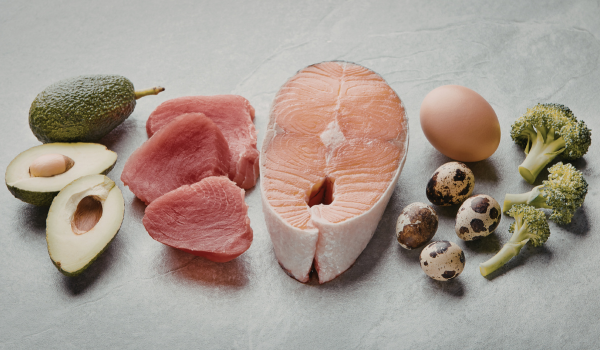
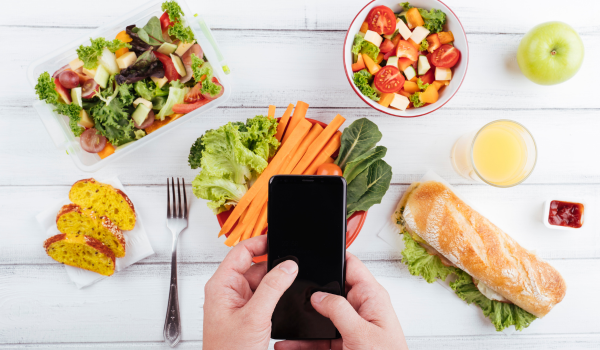
Eating vegetables, protein, and whole grains most days supports energy and immunity. Even simple meals like eggs, sandwiches, wraps, salads, or frozen vegetables count.
Stay Hydrated On Purpose
Busy schedules cause many people to forget to drink water. Carrying a bottle is a tiny but powerful anchor habit that stabilizes appetite and prevents fatigue.
Move Your Body In Small Ways
Formal workouts may be unrealistic during transition periods. Five or ten minutes of walking, stretching, or bodyweight moves maintains momentum and reduces stress.
Prioritize Rest When Possible
Sleep often suffers during major life changes. Creating even small bedtime rituals—dim lights, no screens right before bed—can protect mood, hunger control, and energy.
Big changes often require narrowing the focus to foundational habits first.
Create Adaptable Routines That Fit Your New Reality
Habits survive transition when they are flexible—not rigid.
Build “Anywhere” Habits
Choose routines that do not depend on location or equipment. Eating a piece of fruit daily, drinking water first thing in the morning, or walking after lunch work in any environment.
Match Habits To Your Current Lifestyle
If time is tight, simplify meals. If gym access is gone, switch to home workouts. If mornings are chaotic, shift meal planning or movement to afternoons or evenings.
Use Shortcuts Without Feeling Guilty
Rotisserie chicken, canned beans, pre-cut produce, frozen vegetables, or meal kits are tools—not cheating. Convenience foods can support your health instead of derailing it.
Start With A Minimal Version Of Your Habit
Ten minutes of exercise rather than an hour still counts. A balanced snack instead of a full meal still supports your body. Small “win” habits preserve consistency.
Adaptability ensures continuity even when life feels unpredictable.
Build Habits Into Your Environment, Not Just Your Schedule
Designing your surroundings helps habits stick without relying solely on discipline.
Keep Healthy Foods Visible And Easy
Place fruit bowls on countertops, keep snacks like nuts or yogurt at eye level, and store processed foods out of direct sight. Visual cues drive behavior.
Prepare Simple Foods Ahead
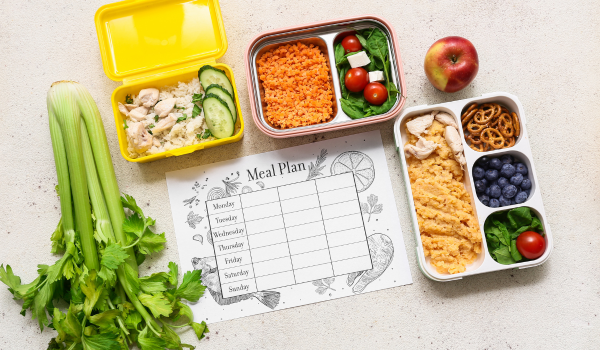
Batch-cook rice or pasta, wash produce, or make grab-and-go snacks. During transitions, even having one ingredient ready saves energy.
Set Up Mini Zones For Success
A reusable water bottle on your desk, gym shoes by the door, or a cutting board left out creates subtle prompts for action.
Reduce Friction Wherever Possible
Choose grocery stores near your new home, schedule automatic deliveries, or pick workout options close to your commute. Convenience is not the enemy—it’s a strategy.
An environment that supports your goals makes healthy habits nearly effortless.
Lean Into Support Systems—Old Or New
No habit thrives in isolation.
Ask For Help And Accountability
Friends, partners, and coworkers can encourage routines, share meal ideas, walk together, or provide emotional support when motivation wavers.
Find New Community Sources If You’ve Moved
Local gyms, walking groups, farmers markets, or virtual communities rebuild social structure. Healthy habits strengthen when shared.
Teach Others Your Goals
Stating your intentions out loud increases follow-through. Whether you say, “I’m trying to pack lunch more often” or “I’m working toward daily walks,” you create identity reinforcement.
Support makes transition periods feel manageable, not isolating.
Give Yourself Permission To Adjust Expectations
Progress may slow temporarily—but that doesn’t mean it disappears.
You Are Allowed To Redefine Success
During life changes, success might mean one nutritious meal a day instead of three. Or stretching twice a week instead of daily exercise. Flexible standards protect your mental well-being.
Avoid The “All-Or-Nothing” Trap
Missing a workout or ordering takeout does not erase your progress. Habits are built on averages—not perfection.
Practice Self-Compassion
Recognize that transition is temporary. Harsh self-judgment only creates stress and makes healthy habits harder. Encouragement helps you stay consistent.
When expectations shift, habits remain intact instead of breaking.
Conclusion
Life transitions challenge routines, disrupt habits, and demand emotional and mental energy—but they don’t have to erase your progress. By focusing on a few foundational habits, embracing flexibility, adjusting expectations, and designing supportive environments, you can continue to nourish your body and maintain routines that support energy, resilience, and well-being. Change doesn’t need to derail your goals; it can help refine them, strengthen them, and teach you how to care for yourself in every season of life.
Choose one habit to protect as you navigate your current transition, build around it gradually, and let your routines grow with you—not against you.









.png)
.png)

.png)

.png)
.png)

.png)
.png)
.png)
.png)
.png)
.png)
.png)


.png)
.png)
.png)
.png)
.png)
.png)

.png)
.png)

.png)


