

Whether you take morning walks, rush through long workdays, chase kids around the house, or hit the gym after work, daily activity requires steady fuel. Many people underestimate how much nutrition affects their stamina, strength, and mental motivation to move. Food isn’t just calories—it is the raw material your body uses to power muscles, repair tissues, maintain energy, and recover between movements. When nutrition aligns with activity, even small tasks feel easier. When it falls short, fatigue, aches, hunger swings, and low motivation quickly follow. Understanding how food supports your body each day can turn movement into something you look forward to—not something you push through with exhaustion.
Why Your Body Needs Fuel Before And During Activity
Movement demands more energy than rest, even when it feels light or routine.
Carbohydrates Provide Immediate Energy
Carbohydrates are the easiest fuel for the body to convert into energy. Whole grains, fruits, oats, legumes, and starchy vegetables power walking, chores, errands, and workouts alike.
Skipping Meals Leads To Low Blood Sugar
When you skip breakfast or lunch, your body draws on limited reserves. This makes movement feel harder, increases irritability, and reduces endurance.
Protein Supports Steady Strength
Protein does not offer instant energy but helps maintain muscle tissue and avoid weakness during repeat movement over days and weeks.
Hydration Keeps Energy Delivery Smooth
Water helps circulate nutrients to muscles and organs. Even minor dehydration can make effort feel heavier than it should.
Fueling before activity doesn’t require fancy pre-workout products—just consistent meals and snacks that fit your daily rhythm.
Macronutrients And Activity: What Your Body Uses And When
Each macronutrient plays a unique role in keeping you active and energized.
Carbohydrates Are Your Fast Fuel Source
Carbs break down into glucose, which muscles use immediately. Without enough carbohydrates, the body must work harder to find energy, often causing fatigue or brain fog.
Protein Builds And Repairs Muscle Fibers
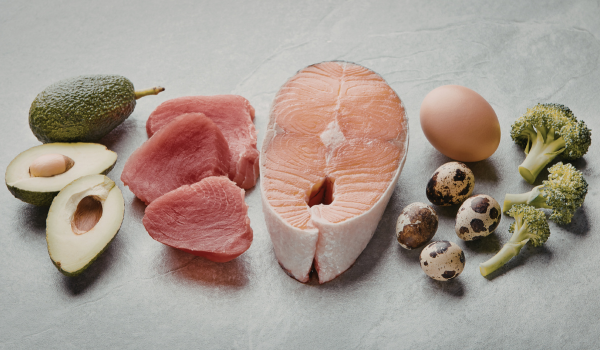
Daily activity literally creates tiny muscle breakdown. Protein—from eggs, dairy, legumes, fish, poultry, or tofu—helps repair that damage and maintain strength.
Healthy Fats Contribute To Endurance
Fats burn more slowly than carbs, making them useful for longer durations of activity and stabilizing energy across hours.
Balanced Meals Support All-Day Performance
Combining carbs, protein, and fat allows your body to draw on each system when needed. For example: oatmeal with nuts, yogurt, and fruit is more sustaining than fruit alone.
Your body works best when each fuel type shows up regularly—no single macronutrient can carry the load alone.
Hydration’s Critical Role In Physical Performance
Staying hydrated is one of the simplest ways to improve energy and activity.
Water Enables Muscle Contraction
Muscles rely on proper fluid balance to contract and relax smoothly. Low hydration leads to stiffness, cramps, and slower movement.
Electrolytes Support Nerve And Muscle Signals
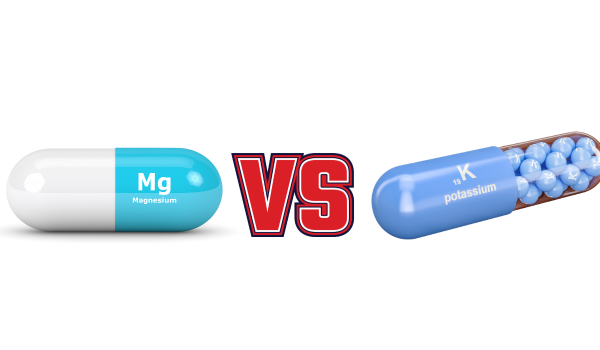
Sweat removes minerals like sodium, potassium, and magnesium. These minerals help the heart, muscles, and nerves function. Whole foods, fruits, and vegetables naturally replenish many electrolytes.
Dehydration Intensifies Perceived Effort
When you are dehydrated, even climbing stairs feels harder. Hydration lowers perceived exertion so the same movement feels easier.
Daily Sipping Works Better Than Catching Up Later
Gulping water before or after exercise does not replace steady hydration throughout the day. Water from beverages AND food (produce, broth, yogurt) contributes.
Just as fuel matters, fluids keep movement safe, smooth, and comfortable.
Micronutrients That Support Daily Movement
Beyond calories, vitamins and minerals enable muscle, bone, and metabolic function.
Iron Helps Deliver Oxygen To Muscles
Low iron means less oxygen circulates to muscles and brain, which causes tiredness during even light activity.
Calcium And Vitamin D Strengthen Bones And Contractions
Strong bones handle movement stress. These nutrients regulate muscle contraction and reduce injury risk over time.
B Vitamins Turn Food Into Energy
B vitamins support metabolism, meaning they help convert food into usable fuel. Whole grains, legumes, seafood, eggs, and greens supply these.
Magnesium Supports Relaxation And Recovery
Muscle tension, cramps, and restless sleep often improve with adequate magnesium intake from nuts, seeds, beans, and leafy greens.
Nutrients work together to make mobility feel fluid instead of draining.
How Eating Patterns Affect Activity Throughout The Day
Timing is just as important as content—fuel must arrive when the body needs it.
Regular Meals Provide Steady Energy
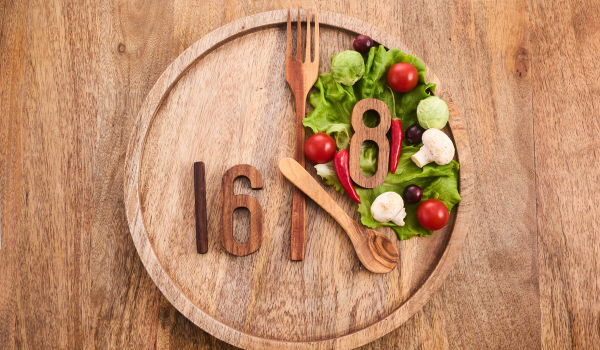
Eating every three to five hours helps prevent fatigue, dizziness, and mid-afternoon slumps.
Small Snacks Support Busy And Active Hours
Fruit with nuts, yogurt, cheese sticks, or granola bars serve as interim fuel when meals are delayed or activity spikes unexpectedly.
Overly Large Meals Slow Movement
Heavy meals can pull blood flow toward digestion, leaving less for muscles and brain.
Eating Too Little Can Backfire At Night
Under-eating earlier often results in overeating later, poor sleep, and reduced recovery.
Listening to hunger cues and fueling steadily is one of the best ways to support consistent daily movement.
Recovery Nutrition And Why It Matters
Activity doesn’t end when you stop moving—your body continues working afterward.
Protein Supports Tissue Repair
Even walking increases muscle stress. Protein after activity helps rebuild muscle fibers stronger.
Carbohydrates Refill Energy Stores
After movement, your muscles are more sensitive to glucose and absorb it readily, which helps reduce next-day soreness.
Hydration Restores Balance
Replacing fluids helps muscles recover and reduces fatigue.
Timing Matters Less Than Consistency
There is no strict “window.” A nourishing meal within a few hours supports recovery just as well as a shake.
Recovery nutrition allows your body to perform again tomorrow without wear and tear accumulating.
Eating For Activity Does Not Require Perfection
Fueling movement is flexible and individual.
Many Foods Fit Into A Supportive Diet
Sandwiches, pasta, oatmeal bowls, stir-fries, tacos, salads, soups, yogurt bowls, and wraps can all power activity.
Balance Beats Restriction
Cutting carbs or fats unnecessarily often lowers energy and motivation to move.
Enjoyment Builds Sustainability
Meals that satisfy taste preferences help keep habits consistent.
Small Daily Choices Add Up
Eating one piece of fruit, adding veggies to a meal, or drinking more water all strengthen energy capacity slowly over time.
The goal is not perfection—it is steady, supportive fueling that fits real life.
Conclusion
Nutrition is one of the most powerful and overlooked tools for supporting daily physical activity. Carbohydrates supply quick-burning fuel, protein repairs and maintains strength, and healthy fats extend energy over time. Hydration keeps muscles and nerves functioning smoothly, while vitamins and minerals make movement feel easier, more efficient, and more comfortable. Steady eating patterns prevent dips in energy and mood, while recovery nutrition helps maintain stamina day after day. When you nourish your body consistently, daily movement stops feeling like a struggle and begins to feel energizing, sustainable, and rewarding.














.png)
.png)
.png)


.png)
.png)

.png)
.png)
.png)
.png)
.png)
.png)
.png)



.png)
.png)
.png)
.png)
.png)
.png)


.png)
.png)

.png)


