
.png)
Energy is often described as something you either have or do not have, but in reality, energy can feel very different depending on where it comes from and how the body uses it. Some forms of energy arrive quickly and disappear just as fast, while others build gradually and last much longer. These two experiences—quick energy and stable energy—affect the body and mind in very different ways.
Many people rely on fast sources of energy to get through busy days, such as sugary snacks or caffeinated drinks. At first, these options seem helpful because they create an immediate lift. However, this type of energy often fades suddenly, leaving behind fatigue, irritability, or hunger. Stable energy works differently. It supports focus, mood, and physical comfort over time instead of creating sharp highs and lows. Understanding why these two forms of energy feel so different helps explain why some days feel smooth and steady while others feel like a cycle of boosts and crashes.
What Quick Energy Really Is
Fast-Acting Fuel for the Brain
Quick energy usually comes from foods and drinks that raise blood sugar rapidly. Refined carbohydrates and sugars are digested quickly and enter the bloodstream almost immediately. This gives the brain a sudden supply of glucose, which feels like a burst of alertness or motivation.
Short-Term Hormonal Response
The body releases insulin to manage this rapid rise in blood sugar. This process works well in the short term, but it often overshoots, pulling blood sugar down again soon after.
Perceived as a “Boost”
Because the effect is immediate, quick energy feels exciting and noticeable. It is easy to mistake this spike for true vitality.
What Stable Energy Really Is
Slow and Controlled Fuel Release
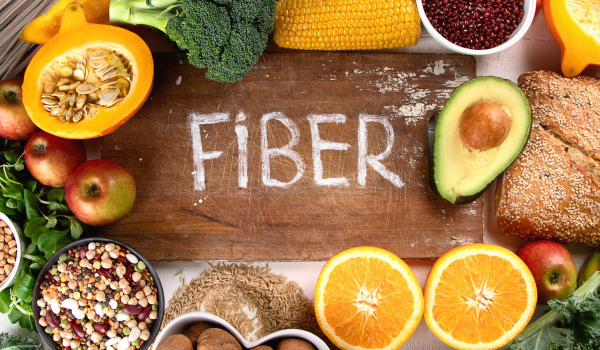
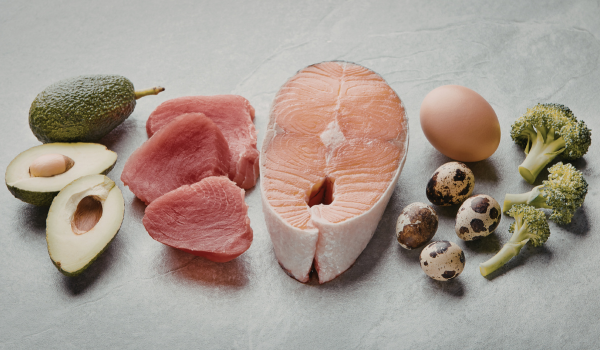
Stable energy comes from foods that digest more slowly, such as those containing protein, fiber, and healthy fats. These nutrients release glucose into the bloodstream at a steadier pace.
Balanced Hormonal Activity
Insulin is released more gradually, helping blood sugar remain within a narrow range instead of rising and falling sharply.
Felt as Consistency, Not Excitement
Stable energy does not feel dramatic. It feels like being able to think clearly, move comfortably, and stay engaged without sudden drops in strength or mood.
How the Body Experiences Quick Energy
Rapid Increase in Alertness
Mental sharpness improves briefly.
Heightened Stimulation
Heart rate and nervous system activity may increase.
Followed by a Sudden Decline
As blood sugar falls, fatigue, irritability, or brain fog may appear.
This pattern creates the familiar “crash” that many people associate with sugary snacks or strong caffeine intake.
How the Body Experiences Stable Energy
Even Mental Performance
Focus remains steady rather than peaking sharply.
Reduced Physical Fatigue
Muscles receive fuel more consistently.
Calmer Emotional State
Mood swings are less likely when blood sugar stays balanced.
Stable energy feels quieter but more reliable.
The Role of Blood Sugar in Energy Sensation
Quick Energy Causes Sharp Swings
High sugar intake raises blood glucose quickly, then lowers it rapidly.
Stable Energy Keeps Levels Steady
Balanced meals prevent extreme highs and lows.
The Brain Responds to These Changes
When blood sugar drops suddenly, the brain signals hunger, stress, or fatigue.
Blood sugar stability is one of the main reasons stable energy feels different from quick energy.
How Quick Energy Affects Mood
Initial Uplift
People may feel cheerful or motivated at first.
Irritability During the Crash
As fuel declines, patience and emotional control weaken.
Craving More Stimulation
The brain seeks another quick source of fuel to restore alertness.
This cycle can repeat multiple times in a single day.
How Stable Energy Affects Mood
More Emotional Balance
There are fewer sudden mood shifts.
Reduced Anxiety Around Food
Hunger feels predictable instead of urgent.
Greater Sense of Control
Energy feels steady rather than reactive.
Stable energy supports emotional consistency as well as physical comfort.
The Impact on Focus and Productivity
Quick Energy Improves Focus Briefly
Short tasks may feel easier.
Crashes Reduce Efficiency
Mental clarity drops after the spike.
Stable Energy Supports Long Tasks
Sustained attention becomes possible.
For work and study, stable energy usually leads to better overall performance.
Physical Sensations of Each Energy Type
Quick Energy Feels Like a Rush
Warmth, restlessness, or shakiness may appear.
Stable Energy Feels Like Endurance
The body feels capable rather than wired.
Crashes Create Heaviness
Limbs and eyelids may feel heavy after quick energy fades.
These physical cues help distinguish between the two types.
How Meal Composition Influences Energy Type
High Sugar and Refined Grains Create Quick Energy
They digest rapidly and raise blood sugar fast.
Protein Slows Digestion
This helps prevent sharp drops.
Fiber Adds Volume and Timing Control
It delays glucose absorption.
Healthy Fats Extend Fullness
They support long-lasting energy release.
Balanced meals encourage stable energy rather than spikes.
Why Quick Energy Feels More Noticeable
The Nervous System Is Stimulated
Rapid fuel triggers alertness pathways.
Contrast Makes It Feel Stronger
The jump from low to high is dramatic.
The Brain Remembers the Spike
It learns to seek that feeling again.
Stable energy lacks drama, so it feels less obvious even though it is more useful.
Why Stable Energy Feels Subtle
No Sharp Contrast
Energy does not surge suddenly.
The Body Feels “Normal”
Which can be mistaken for low energy.
Consistency Becomes the New Baseline
The absence of crashes becomes the benefit.
Stable energy is quiet but dependable.
Signs You Are Running on Quick Energy
-
Sudden bursts of motivation
-
Strong cravings for sugar or caffeine
-
Energy crashes in the afternoon
-
Irritability when hungry
-
Feeling wired but tired
These suggest unstable fuel patterns.
Signs You Are Experiencing Stable Energy
-
Even focus through the day
-
Less urgent hunger
-
Fewer mood swings
-
Reduced reliance on stimulants
-
Better physical comfort
These indicate balanced energy use.
Long-Term Effects of Relying on Quick Energy
Repeated Blood Sugar Swings
Stress hormone release increases.
Appetite Becomes Unpredictable
Cravings intensify.
Fatigue Becomes More Frequent
The body struggles to recover between spikes.
Quick energy creates a cycle that is hard to break.
Long-Term Benefits of Stable Energy
Improved Concentration
Mental clarity lasts longer.
Better Mood Regulation
Emotional swings decrease.
More Comfortable Digestion
Large swings in intake are reduced.
Healthier Relationship with Food
Eating becomes supportive rather than reactive.
Stable energy supports both daily life and long-term well-being.
How to Shift Toward Stable Energy
Eat Regular Meals
Long gaps increase crashes.
Include Protein and Fiber
These slow digestion.
Avoid Relying Only on Sugary Snacks
They promote spikes.
Hydrate Consistently
Dehydration worsens fatigue.
Small adjustments make energy patterns more predictable.
Why Awareness Matters
Energy Is a Signal, Not a Mystery
It reflects fuel management.
Not All Fatigue Means You Need More Sugar
It may mean you need steadier intake.
Understanding Builds Better Choices
Awareness replaces guesswork.
Conclusion
Stable energy feels different from quick energy because it comes from slow, balanced fuel use rather than sudden blood sugar spikes. Quick energy creates sharp boosts followed by crashes, while stable energy supports consistent focus, calmer mood, and physical comfort throughout the day. Although quick energy feels more dramatic, stable energy is more useful for long-term productivity and well-being.
By learning how different foods and patterns affect energy release, people can choose habits that support steady performance instead of repeated highs and lows. Explore more practical nutrition guidance on Health365s.com to understand how everyday food choices shape energy and help build habits that last.













.png)
.png)
.png)


.png)
.png)

.png)
.png)
.png)
.png)
.png)
.png)
.png)



.png)
.png)
.png)
.png)
.png)


.png)
.png)

.png)


