.png)
Nutrition advice is everywhere. New plans, rules, trends, and “perfect” ways to eat appear constantly, often promising fast results or total transformation. Yet many people feel overwhelmed, confused, or burned out by trying to follow complicated nutrition systems that are difficult to maintain in real life.
In practice, long-term health is rarely built through extreme or complex strategies. Instead, simple nutrition habits—small, repeatable actions that fit daily routines—tend to work best. These habits support the body consistently, reduce mental stress, and are far more likely to last over time.
The Body Responds Better To Consistency Than Complexity
Biology Favors Predictable Patterns
The body functions best when it can rely on regular nourishment. Consistent intake supports stable energy, hormone regulation, and digestion.
Complex Rules Increase Inconsistency
Strict or complicated plans often lead to cycles of adherence and abandonment. This inconsistency creates stress responses in the body.
Simple Habits Are Easier To Repeat
Habits that require minimal effort are more likely to become automatic, supporting long-term well-being.
Simplicity Reduces Decision Fatigue
Too Many Choices Increase Stress
When eating requires constant calculations or rule-checking, mental fatigue increases.
Simple Guidelines Reduce Overthinking
Basic principles—such as eating regularly or including balanced meals—make decisions easier.
Lower Mental Load Improves Eating Behavior
When food decisions feel manageable, people are more likely to eat in a supportive way.
Simple Habits Support Steady Energy Levels
Regular Meals Prevent Energy Crashes
Eating at consistent intervals helps maintain stable blood sugar and energy.
Balanced Meals Require Less Correction Later
Simple balance—carbohydrates, protein, and fats—reduces extreme hunger and fatigue.
Energy Feels More Predictable
Simple habits help the body avoid cycles of depletion and recovery.
Why Complicated Diets Often Fail Long-Term
They Are Hard To Maintain In Real Life
Busy schedules, social events, and stress make rigid plans difficult to follow.
Restriction Often Leads To Rebound Eating
Overly strict rules may trigger overeating once willpower fades.
All-Or-Nothing Thinking Creates Guilt
When perfection is expected, small deviations feel like failure.
Simple Nutrition Habits Support Digestive Comfort
Predictable Eating Supports Digestion
The digestive system works more smoothly with regular rhythms.
Smaller, Balanced Meals Are Easier To Digest
Extreme fluctuations in intake often lead to discomfort.
Simplicity Reduces Digestive Stress
The body processes simple, balanced meals more efficiently than irregular patterns.
Simplicity Improves The Relationship With Food
Food Becomes Supportive, Not Stressful
When rules are minimal, eating feels less emotionally charged.
Listening To Body Signals Becomes Easier
Hunger and fullness cues are clearer without constant external rules.
Enjoyment And Nourishment Can Coexist
Simple habits allow space for flexibility and satisfaction.
How Simple Habits Support Mood And Mental Health
Stable Fuel Supports Emotional Balance
Regular nourishment reduces mood swings linked to low energy.
Less Guilt Improves Emotional Well-Being
Removing rigid rules reduces self-criticism around eating.
Simplicity Supports Calm Decision-Making
Eating becomes a supportive routine rather than a source of stress.
Examples Of Simple Nutrition Habits That Work
Eating Regularly
Avoiding long gaps between meals.
Building Balanced Meals Most Of The Time
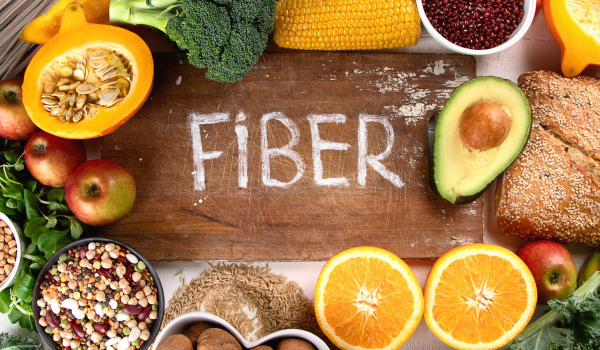
Including protein, fiber, and carbohydrates without measuring or tracking.
Drinking Water Consistently
Supporting hydration without strict targets.
Planning For Busy Moments
Keeping easy options available to avoid skipped meals.
Focusing On Patterns, Not Perfection
Looking at the day or week as a whole.
Why Simple Habits Are More Sustainable
They Fit Real Life
Simple habits adapt to changing schedules and lifestyles.
They Allow Flexibility
Enjoyment and variety are easier to maintain.
They Build Trust With The Body
Consistent nourishment restores predictable hunger and energy signals.
Long-Term Benefits Of Simple Nutrition Habits
More Stable Energy
Less reliance on quick fixes like caffeine or sugar.
Improved Digestive Comfort
Fewer extreme eating patterns.
Better Emotional Balance
Reduced stress around food choices.
Healthier Eating Patterns Over Time
Small habits compound into meaningful change.
Why Progress Comes From Repetition, Not Intensity
Small Actions Add Up
Repeated daily habits create lasting effects.
Intensity Often Burns Out Quickly
Extreme efforts are difficult to maintain.
Consistency Creates Results
What is done often matters more than what is done occasionally.
How To Shift Toward Simpler Nutrition
Remove Unnecessary Rules
Focus on a few guiding principles instead of many restrictions.
Choose Habits You Can Maintain
If a habit feels unsustainable, it likely is.
Use Feedback From Your Body
Energy, mood, and comfort provide useful guidance.
Allow Imperfect Days
Consistency improves when flexibility is allowed.
Conclusion
Simple nutrition habits often work best because they align with how the body functions and how real life unfolds. Consistency, balance, and flexibility support energy, mood, digestion, and overall well-being far more effectively than complicated or restrictive approaches.
Rather than chasing perfection, focusing on small, repeatable habits creates a strong foundation for long-term health. When nutrition feels manageable and supportive, it becomes easier to sustain—and that is where real progress happens. Explore more practical nutrition guidance on Health365s.com to continue building habits that fit your life.














.png)
.png)

.png)



.png)
.png)

.png)

.png)
.png)
.png)
.png)
.png)
.png)



.png)
.png)
.png)
.png)
.png)
.png)


.png)
.png)

.png)