Healthy living can begin with something as ordinary as a glass of water, a short walk, or a regular bedtime. You don’t need to overhaul your entire routine to start making more room for your well-being.
Small habits are easier to repeat, especially when they fit naturally into your day. Over time, those everyday choices can help you build a routine that feels more balanced and manageable.
Here are seven simple habits to get started.
1. Make Water Part of Your Daily Routine
On busy days, it’s easy to reach the afternoon and realize you’ve barely had anything to drink. Keeping water within reach makes it easier to remember.
Try having a glass with breakfast, keeping a refillable bottle at your desk, or drinking water with your meals. If you prefer more flavor, add a slice of lemon, cucumber, or a few fresh mint leaves.
Your needs vary with activity, weather, and individual circumstances, so avoid treating a fixed number of glasses as a rule for everyone.
Start small: Place a glass or bottle of water where you’ll see it when you begin your day.
2. Build Meals Around Variety
Eating well becomes more practical when you focus on what you can add to your meals: more vegetables, a source of protein, some fruit, or a serving of whole grains.
A satisfying meal might include eggs with whole-grain toast and tomatoes, rice with tofu and vegetables, or chicken with potatoes and a side salad. Frozen vegetables, canned beans, and simple home-cooked dishes can make everyday meals easier to put together.
There’s room for foods you enjoy, too. Aim for a varied routine that works with your budget, preferences, and schedule.
Start small: Add one vegetable to lunch or dinner today.
3. Find Everyday Opportunities to Move
Movement doesn’t have to happen in a gym. Walking to a nearby shop, dancing while you tidy up, gardening, or taking a short break from your desk are all ways to bring more activity into your day.
Choose something you enjoy and can repeat comfortably. A brief walk after lunch may fit your routine better than an ambitious workout you rarely have time for.
If you spend much of your day sitting, look for natural moments to stand up and move—between tasks, during a phone call, or while waiting for the kettle.
Start small: Set aside a few minutes for a comfortable walk or gentle movement.
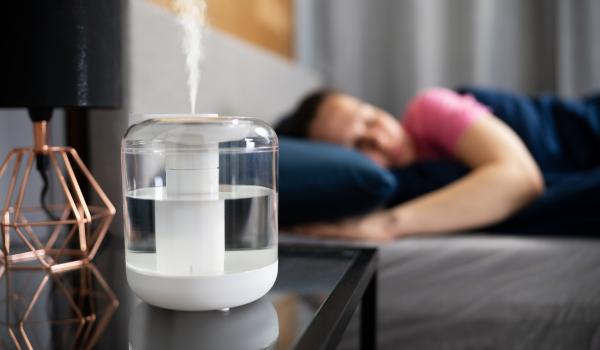
4. Create a Consistent Bedtime Routine
A busy evening can easily stretch later than intended. Giving yourself a familiar sequence of activities can help make bedtime feel like a regular part of the day.
You might dim the lights, put away work, wash up, and spend a little time reading. Keep the routine simple enough to follow on an ordinary evening.
Notice which activities leave you feeling settled and which keep you engaged long past bedtime. Adjust your evening around what you learn.
Start small: Choose one calming activity to repeat before bed this week.
5. Give Yourself Short, Intentional Breaks
A break is more useful when you actually step away from the task demanding your attention. Opening another app may fill the pause without giving you much space to reset.
Try looking out a window, sitting quietly, stretching gently, or stepping outside for a moment. You can also write down what’s on your mind before returning to work.
These pauses don’t need to be elaborate. The goal is to give yourself a little breathing room during a full day.
Start small: Take one break today without checking messages or social media.
6. Make Time for Connection
Healthy living includes the relationships that make everyday life feel meaningful. A quick conversation, a shared meal, or a thoughtful message can help you stay connected even when schedules are busy.
You don’t need a large social circle or a full calendar. Focus on people you feel comfortable with and interactions you enjoy.
Consider turning an existing activity into time together: invite someone for a walk, call a friend while doing a household task, or put your phone away during dinner.
Start small: Reach out to one person you’ve been meaning to speak with.
7. Prepare One Thing for Tomorrow
A little preparation can make healthy choices more convenient when the next day gets busy.
You could fill your water bottle, set out walking shoes, prepare part of your lunch, or decide when to take a break. Choose the task that removes a common obstacle in your routine.
Keep preparation manageable. A few helpful minutes in the evening are enough; you don’t need to plan every detail of tomorrow.
Start small: Before bed, do one thing that will make your morning easier.
Build a Routine You Can Keep
You don’t have to adopt all seven habits at once. Pick one that feels useful and easy to fit into your current day. Repeat it, adjust it when needed, and add another when you feel ready.
Some days will be busier or less organized than others. When a habit slips, return to it at the next opportunity. A sustainable routine leaves room for real life—and gives you simple ways to keep caring for yourself within it.