Most people are familiar with the term lifespan, which refers to how long someone lives. More recently, the concept of healthspan has gained attention, focusing on how many years a person lives in good health without major disease.
Now, researchers are introducing another concept called “peakspan.”
Peakspan refers to the length of time a person remains near their highest level of physical or cognitive performance. Instead of simply measuring survival or disease-free years, peakspan looks at how long someone can maintain close to their personal peak abilities.
Scientists believe this idea may help people think differently about aging—not just living longer, but maintaining high function and quality of life for as long as possible.
What Is Peakspan?
Peakspan describes the period during which a person stays close to their maximum level of health or performance within a specific area of the body.
Researchers behind the concept define it as the amount of time someone remains within approximately 10% of their best lifetime performance in a given function.
For example, someone may have:
- A cardiovascular peakspan
- A cognitive peakspan
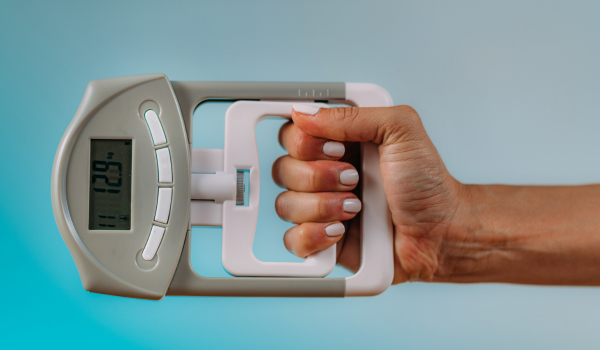
- A muscular peakspan
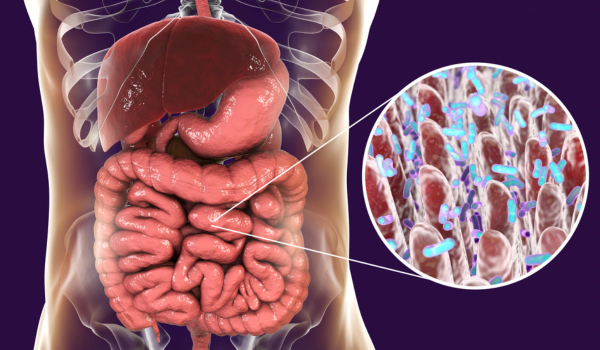
- A metabolic peakspan
These may not all decline at the same rate.
In simple terms, peakspan focuses on maintaining strong function rather than simply avoiding disease.
How Is Peakspan Different From Healthspan?
The difference between peakspan and healthspan depends partly on how healthspan itself is defined.
Healthspan is commonly described as the number of years someone lives without major chronic disease or severe disability.
Peakspan goes a step further by emphasizing performance and optimal functioning rather than disease absence alone.
For example:
- A person may technically be disease-free
- But still experience reduced energy, memory, strength, or endurance
Peakspan attempts to measure how long someone can maintain their highest levels of capability and function.
Some experts, however, question whether additional “span” terms are truly necessary since many definitions already overlap.
When Does Human Performance Usually Peak?
According to researchers discussing peakspan, many physical systems in the body tend to reach maximum performance relatively early in life, often during a person’s 20s or 30s.
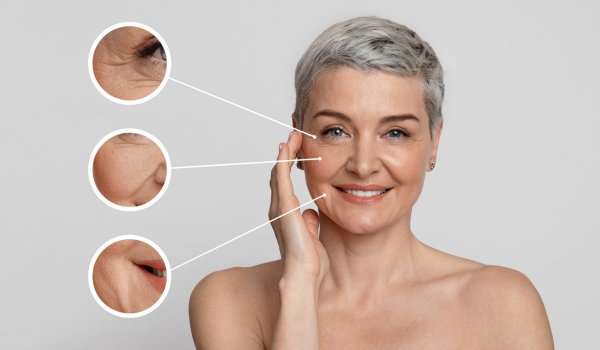
Over time, aging-related cellular and molecular damage gradually accumulates, increasing the risk of disease and physical decline.
However, experts stress that peak performance varies significantly between individuals.
A person who lived a sedentary lifestyle in early adulthood may still dramatically improve physical fitness later in life through exercise, healthier eating, and lifestyle changes.
Research also suggests that aging does not always mean continuous decline.
Some older adults actually improve physically or cognitively over time, particularly when they adopt healthier habits or maintain positive attitudes toward aging.
Can You Extend Your Peakspan?
Researchers believe it may be possible to extend peakspan through lifestyle changes, medical support, and healthy aging strategies.
However, experts caution against becoming overly obsessed with the idea of maintaining “perfect” health forever.
Aging is still a natural biological process, and there is currently no proven miracle treatment capable of stopping aging completely.
Instead, the goal may be to preserve independence, mobility, cognition, and quality of life for as long as possible.
Small Improvements Can Matter
Extending peakspan does not necessarily require futuristic anti-aging technology.
Simple interventions may significantly improve daily function and quality of life, including:
- Glasses for vision support
- Hearing aids
- Joint replacements
- Physical therapy
- Better sleep habits
- Regular exercise
These practical tools may help people maintain function and independence longer.
Lifestyle Habits May Matter Most
At present, the strongest evidence for supporting longevity and healthy aging still comes from lifestyle habits.
Experts consistently recommend:
- Staying physically active
- Eating a balanced diet
- Managing stress
- Sleeping well
- Maintaining social relationships
- Staying mentally engaged
These behaviors may help slow physical decline and support long-term brain and cardiovascular health.
Your Mindset May Also Influence Aging
Researchers increasingly believe that attitudes toward aging may affect health outcomes.
Studies suggest people with more positive views on aging may experience:
- Better physical function
- Improved cognitive performance
- Lower stress levels
- Greater resilience
On the other hand, chronic anxiety or negativity about aging may contribute to stress and potentially accelerate certain aging-related processes.
Maintaining a sense of purpose, optimism, and personal agency may therefore play an important role in healthy aging.
Aging Is Still Inevitable
Although scientists continue exploring ways to improve longevity and quality of life, aging itself remains unavoidable.
Experts emphasize that the goal should not necessarily be eliminating aging entirely, but rather supporting healthy function, independence, and well-being throughout life.
Concepts like peakspan may encourage people to focus less on simply adding years and more on improving the quality of those years.
The Bottom Line
Peakspan is a newer concept that measures how long someone can maintain close to their highest level of physical or cognitive performance.
Unlike lifespan or even healthspan, peakspan focuses on preserving optimal function rather than simply avoiding disease.
While there is currently no proven method to stop aging, research suggests lifestyle habits such as exercise, healthy eating, social connection, stress management, and positive attitudes toward aging may help extend both quality of life and healthy function over time.