When people think about longevity, genetics are often the first thing that comes to mind. While genes do influence lifespan, experts say they account for only a portion of how long and how well people live.
Daily lifestyle habits play a much larger role than many realize.
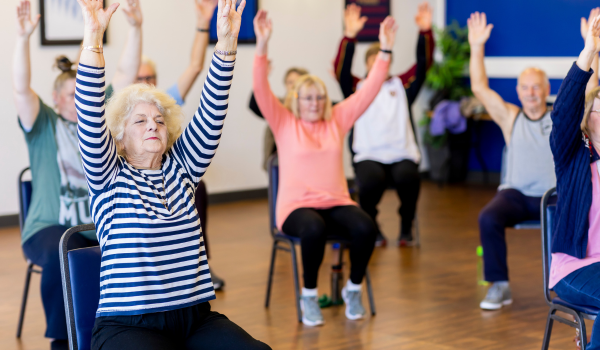
Among all healthy routines linked to longer life, experts consistently point to one habit as the most important: regular physical activity.
Exercise and daily movement support nearly every system in the body, from heart health and metabolism to brain function and emotional well-being. Research suggests consistent movement may add years to life expectancy while also improving quality of life as people age.
Why Daily Movement Matters So Much
Physical activity affects the body in many ways that directly support healthy aging and longevity.
Regular movement may help reduce the risk of chronic disease, improve mental health, preserve mobility, and protect cognitive function over time.
Improves Blood Circulation
Exercise helps the heart pump blood more efficiently throughout the body.
Better circulation allows oxygen and nutrients to reach organs, muscles, and cells more effectively, supporting overall body function and energy production.
Healthy blood flow is also important for cardiovascular health and brain function.
Reduces Chronic Inflammation
Long-term inflammation is associated with many chronic health conditions, including:
- Heart disease
- Diabetes
- Arthritis
- Alzheimer’s disease
- Neurodegenerative disorders
Regular physical activity may help lower inflammatory markers in the body, supporting healthier aging and disease prevention.
Supports Healthy Metabolism
Exercise helps regulate blood sugar levels and improve insulin sensitivity.
Movement also supports:
- Healthy body weight
- Better energy balance
- Reduced risk of metabolic syndrome
- Improved cardiovascular health
These benefits may lower the risk of developing chronic illnesses later in life.
Protects Brain Health
Physical activity stimulates the release of brain-derived neurotrophic factor (BDNF), a protein that helps support brain cell growth, repair, and communication.
This process may improve:
- Memory
- Learning
- Focus
- Cognitive function
Regular exercise has also been linked to lower risks of age-related cognitive decline and dementia.
Helps Manage Stress
Chronic stress may accelerate aging and negatively affect both mental and physical health.
Exercise helps reduce stress hormones such as cortisol while increasing mood-supporting chemicals like endorphins.
As a result, movement may improve:
- Mood
- Emotional resilience
- Sleep quality
- Mental well-being
How To Add More Movement Into Your Daily Life
Experts emphasize that it is never too late to become more active.
Even small increases in physical activity may improve health and longevity over time.
Current health guidelines generally recommend:
- At least 150 minutes of moderate exercise weekly
- Or 75 minutes of vigorous exercise weekly
- Plus muscle-strengthening activities at least two days per week
Start Small
You do not need intense workouts immediately to benefit from movement.
Simple activities may include:
- Walking
- Stretching
- Yoga
- Cycling
- Swimming
- Light strength training
Even a daily 20–30 minute walk can support long-term health.
Combine Different Types Of Exercise
A balanced routine often includes:
- Aerobic exercise
- Strength training
- Flexibility work
- Balance exercises
Bodyweight exercises such as squats, push-ups, or resistance-band training can help build strength gradually.
Choose Activities You Enjoy
Long-term consistency matters more than perfection.
Activities become easier to maintain when they are enjoyable, such as:
- Dancing
- Gardening
- Hiking
- Recreational sports
- Group fitness classes
Social forms of exercise may also improve motivation and emotional well-being.
Other Habits That Support Longevity
Although daily movement is considered one of the strongest lifestyle habits for healthy aging, several other behaviors may further improve longevity.
Eat A Balanced Diet
A nutrient-rich diet supports long-term health by reducing inflammation and providing the body with essential nutrients.
Longevity-focused eating patterns often emphasize:
- Fruits and vegetables
- Whole grains
- Lean proteins
- Healthy fats
- Nuts and seeds
- Low-fat dairy
Research frequently links Mediterranean-style diets with lower risks of chronic disease and longer lifespan.
Prioritize High-Quality Sleep
Sleep plays a major role in physical repair, memory processing, immune function, and emotional health.
Adults generally benefit from 7–9 hours of quality sleep per night.
Healthy sleep habits may include:
- Maintaining a consistent sleep schedule
- Reducing screen time before bed
- Keeping the bedroom cool and dark
- Avoiding caffeine late in the day
Maintain Strong Social Connections
Meaningful social relationships are strongly associated with healthier aging and longer life.
Positive social interaction may help:
- Reduce stress
- Improve emotional health
- Lower dementia risk
- Increase resilience
Strong social networks have been linked to lower risks of chronic illness and premature death.
Keep Your Brain Active
Mental stimulation supports cognitive health and may reduce the risk of age-related decline.
Activities that challenge the brain include:
- Reading
- Learning new skills
- Playing puzzles or strategy games
- Practicing music
- Joining discussion groups
Keeping the mind engaged may help strengthen neural connections over time.
Habits That May Shorten Lifespan
Certain lifestyle habits are associated with higher risks of chronic disease and early death.
Experts recommend limiting or avoiding:
- Smoking
- Sedentary behavior
- Excessive alcohol intake
- Diets high in ultra-processed foods
- Excess added sugar
- Chronic sleep deprivation
Reducing these behaviors may significantly improve both lifespan and overall quality of life.
The Bottom Line
Experts consistently identify regular physical activity as one of the most powerful daily habits for improving longevity.
Exercise supports heart health, brain function, metabolism, stress management, and mobility while helping reduce the risk of many chronic diseases.
Combined with balanced nutrition, quality sleep, social connection, and mental stimulation, daily movement may help people live not only longer lives, but healthier and more active ones as well.