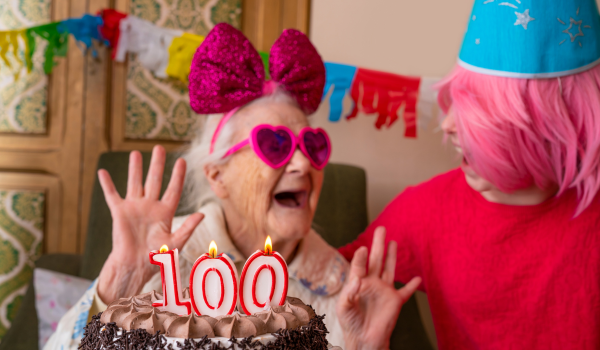
Many people wonder what helps certain individuals live healthy, active lives well into their 90s and even past 100 years old. While there is no single “secret” to longevity, research continues to show that daily habits and lifestyle choices play a major role in healthy aging.
Centenarians—people who live to age 100 or beyond—often share several common routines that support both physical and mental well-being. A recent survey of adults over 100 years old highlighted six habits many of them practice consistently every week.
These habits focus less on perfection and more on maintaining balance, movement, purpose, and healthy routines over time.
Eating A Healthy Diet
One of the most common habits among centenarians is maintaining a nutritious, balanced diet.
Many experts now believe that healthy aging is less about following extreme diets or relying on trendy “superfoods” and more about consistently eating minimally processed, nutrient-rich foods.
Whole foods such as:
- Fruits
- Vegetables
- Nuts
- Seeds
- Lean proteins
- Whole grains
may help reduce inflammation, support heart health, improve blood sugar regulation, and protect cells from oxidative stress.
In contrast, diets high in ultra-processed foods have been associated with increased risks of:
- Heart disease
- Stroke
- Cognitive decline
- Premature death
Long-term healthy eating habits appear to play a major role in maintaining energy, mobility, and brain function as people age.
Strength Training And Muscle-Building Exercise
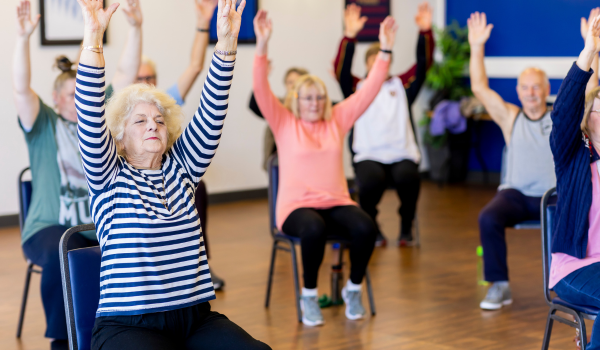
Many centenarians continue performing exercises that help maintain muscle strength and mobility.
As people age, muscle mass naturally declines, which may increase the risk of falls, weakness, and loss of independence.
Strength-building activities may help slow these changes and support healthier aging.
Benefits of strength training may include:
- Better balance
- Improved mobility
- Increased bone strength
- Reduced fall risk
- Greater independence
Research suggests older adults who strength train regularly may also have a lower risk of early death compared to those who remain inactive.
Even light resistance exercises performed consistently can support long-term physical function.
Walking And Hiking
Walking remains one of the simplest and most effective habits associated with longevity.
Many centenarians report walking regularly every week, whether indoors, outdoors, or through nature.
Walking may help:
- Improve cardiovascular health
- Support healthy blood circulation
- Lower stress levels
- Improve mood
- Maintain joint mobility
- Increase daily movement
Some studies have linked approximately 7,000 daily steps with lower risks of heart disease, cancer, and overall mortality.
Walking outdoors may provide additional benefits through exposure to nature, fresh air, and sunlight.
Hiking or walking on varied terrain may also improve balance and coordination.
Stress-Reducing Activities
Managing stress appears to be another important habit among people who live longer lives.
Chronic stress may accelerate biological aging by increasing inflammation, disrupting sleep, and negatively affecting cardiovascular and mental health.
Many centenarians practice stress-relieving activities such as:
- Meditation
- Deep breathing
- Quiet reflection
- Prayer
- Relaxation techniques
These activities may activate the body’s parasympathetic nervous system, which helps calm the body and reduce stress responses.
Even a few minutes of slow breathing or mindfulness each day may support emotional well-being and relaxation.
Gardening
Gardening is another surprisingly common habit among adults who live past 100.
Gardening combines several healthy behaviors at once, including:
- Physical movement
- Time outdoors
- Sunlight exposure
- Mental engagement
- Daily routine
- Sense of purpose
Working in a garden may also provide gentle exercise similar to low-intensity cardio activity.
Sunlight exposure supports vitamin D production, while spending time in nature may help reduce stress and improve mood.
Gardening can also create opportunities for social interaction, which is strongly associated with healthy aging and cognitive health.
Cardiovascular Exercise
Many centenarians also continue performing cardiovascular exercise regularly.
Activities such as:
- Swimming
- Cycling
- Jogging
- Dancing
- Low-impact aerobics
help strengthen the heart and lungs while improving endurance and circulation.
Good cardiovascular fitness is strongly linked to lower risks of:
- Heart disease
- Stroke
- Cancer
- Premature death
Maintaining regular aerobic activity may also help preserve independence and energy levels later in life.
Does Longevity Depend Only On Genetics?
Genetics certainly influence lifespan, but experts believe lifestyle choices still play a major role in healthy aging.
Healthy habits may help slow many processes associated with aging, including:
- Chronic inflammation
- Muscle loss
- Blood vessel damage
- Metabolic decline
- Cognitive decline
- Chronic stress
In addition to physical health, healthy routines also support mental well-being, mobility, social engagement, and independence.
Many experts believe that having daily purpose, hobbies, movement, and meaningful social interaction helps older adults maintain both physical and emotional resilience.
Small Habits Matter Most
One important lesson from centenarians is that healthy aging does not usually come from one dramatic change.
Instead, long-term consistency appears to matter most.
Simple weekly habits such as:
- Eating balanced meals
- Staying active
- Managing stress
- Spending time outdoors
- Maintaining social connections
may gradually build a healthier foundation over time.
The most sustainable habits are often the ones that fit naturally into everyday life and feel realistic to maintain long term.
The Bottom Line
People who live to 100 often share several lifestyle habits that support healthy aging, including nutritious eating, regular movement, stress management, walking, gardening, and cardiovascular exercise.
While genetics influence longevity, consistent healthy behaviors may help protect the body and brain from many age-related health problems.
Rather than focusing on perfection, building small sustainable habits over time may offer one of the best paths toward healthier aging and improved quality of life.