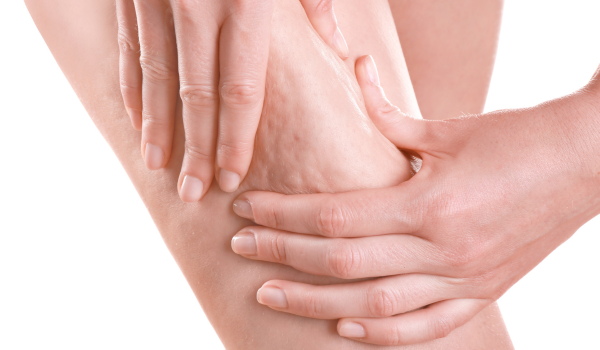
Cellulite is one of the most common cosmetic skin concerns, affecting an estimated 80–90% of women after puberty. It creates a dimpled or lumpy appearance on the skin, most often on the thighs, hips, buttocks, and sometimes the abdomen.
Despite the many products and treatments advertised as "cellulite cures," the truth is that cellulite is completely normal and harmless. It is not a disease, and it doesn't indicate poor health or excess body fat. While it can't usually be eliminated permanently, several treatments and lifestyle habits may help reduce its appearance.
What Is Cellulite?
Cellulite occurs when fat deposits beneath the skin push upward against the connective tissue while fibrous bands pull the skin downward. This combination creates the familiar uneven, dimpled appearance often compared to the texture of an orange peel.
Although cellulite is most noticeable in areas where fat naturally accumulates, it can develop in people of all body sizes—including those who are lean and physically fit.
Common Areas Where Cellulite Appears
- Thighs
- Buttocks
- Hips
- Abdomen
- Upper arms
Cellulite usually becomes noticeable between the ages of 20 and 30, although it may appear earlier or later depending on genetics and hormonal changes.
Stages Of Cellulite
Healthcare professionals often classify cellulite into four stages based on how visible it is.
Stage 1
The skin appears completely smooth whether standing or sitting. Minor dimpling may only become visible when the skin is pinched.
Stage 2
The skin still looks smooth at rest, but dimples become more noticeable when the skin is compressed.
Stage 3
The skin appears smooth while lying down but shows visible dimples or lumps when standing.
Stage 4
The dimpling becomes more pronounced with deeper depressions and raised areas. In some cases, the affected area may also feel slightly tender.
What Causes Cellulite?
Cellulite develops because of the way connective tissue and fat are arranged beneath the skin.
Fibrous connective bands attach the skin to the muscles underneath. When these bands tighten, they pull the skin downward while fat pushes upward between them, creating the uneven surface associated with cellulite.
Several factors influence whether cellulite develops and how noticeable it becomes.
Genetics
Genetics play a major role in determining your likelihood of developing cellulite.
Inherited traits can affect:
- Skin thickness
- Fat distribution
- Connective tissue structure
- Collagen production
- Overall body composition
If close family members have noticeable cellulite, you're more likely to develop it as well.
Hormonal Changes
Hormones—especially estrogen—have a significant influence on cellulite formation.
Fluctuations in estrogen levels during puberty, pregnancy, menopause, or hormone therapy may increase the likelihood of cellulite becoming more visible.
Hormonal changes can also affect circulation, collagen production, and fat storage, all of which contribute to skin texture.
Why Women Develop Cellulite More Often
Women are far more likely than men to develop cellulite, and experts believe anatomy plays an important role.
Different Connective Tissue Structure
In women, the fibrous connective bands beneath the skin run vertically and parallel to one another, allowing fat to push upward more easily.
In men, these connective tissues form a crisscross pattern that provides greater structural support, making cellulite much less common.
Higher Estrogen Levels
Women naturally produce more estrogen than men, which may contribute to changes in fat distribution and connective tissue over time.
Lifestyle Factors
Lifestyle choices cannot directly cause cellulite, but they may make it more noticeable.
Factors associated with more visible cellulite include:
- Physical inactivity
- Diets high in ultra-processed foods
- Excess refined carbohydrates
- Dehydration
- Weight gain
Maintaining healthy habits may improve overall skin quality even if cellulite does not completely disappear.
How Aging Affects Cellulite
Cellulite often becomes more noticeable with age.
As you get older, your body produces less collagen—the protein responsible for keeping skin firm, thick, and elastic.
With declining collagen levels, skin becomes thinner and loses elasticity, allowing the uneven fat beneath the surface to become easier to see.
Age-related hormonal changes and gradual increases in body fat may also contribute to more visible cellulite.
Can You Get Rid Of Cellulite?
There is currently no permanent cure for cellulite.
Because cellulite is a normal structural characteristic of the skin, treatments can only improve its appearance rather than eliminate it completely.
For many people, no treatment is necessary unless cellulite affects their confidence or quality of life.
Medical Treatments That May Reduce Cellulite
Dermatologists offer several procedures that can temporarily improve the appearance of cellulite.
Acoustic Wave Therapy
This treatment uses sound waves to break up connective tissue beneath the skin, helping smooth the skin's surface.
Laser Therapy
Specialized laser devices release fibrous bands beneath the skin while stimulating collagen production to create firmer, smoother skin.
Subcision
A dermatologist inserts a small needle beneath the skin to cut the connective tissue bands responsible for dimpling.
This procedure often provides some of the longest-lasting improvements.
Vacuum-Assisted Tissue Release
This minimally invasive treatment uses tiny blades within a specialized device to release the connective tissue bands causing cellulite.
While these treatments may significantly improve skin appearance, results vary from person to person, and cellulite may gradually return over time.
Do Cellulite Creams Really Work?
Many over-the-counter creams claim to reduce cellulite.
Products containing caffeine or retinol may temporarily improve the appearance of cellulite by tightening the skin or increasing collagen production.
However, these improvements are usually modest and require consistent daily use over an extended period.
No topical cream can permanently remove cellulite.
Lifestyle Changes That May Help
Although lifestyle changes cannot eliminate cellulite, they can improve skin tone and reduce its visibility.
Maintain A Healthy Weight
Losing excess body fat may reduce the amount of cellulite visible in some individuals.
However, cellulite can still occur in people with a healthy weight.
Exercise Regularly
Strength training helps build muscle beneath the skin, which can create a firmer appearance and make cellulite less noticeable.
Combining resistance training with cardiovascular exercise supports overall body composition and skin health.
Stay Hydrated
Drinking enough water helps maintain skin hydration and elasticity, making skin appear healthier overall.
Eat A Balanced Diet
A diet rich in fruits, vegetables, lean proteins, healthy fats, and whole grains supports collagen production and overall skin health.
Final Thoughts
Cellulite is an extremely common and completely normal skin condition that affects the vast majority of women. It develops because of the natural structure of connective tissue, fat distribution, genetics, hormones, and the aging process—not because of poor health or excess weight alone.
While there is no permanent cure for cellulite, medical treatments, regular exercise, healthy nutrition, and good skincare habits may help reduce its appearance. Most importantly, remember that cellulite is a normal part of human anatomy and does not require treatment unless it personally bothers you.
.gif)














.png)