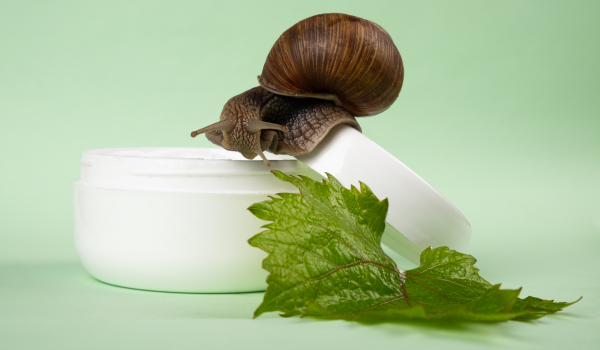
Snail mucin, often called snail slime or snail secretion filtrate, has become one of the most popular ingredients in modern skincare. Originally made famous through Korean beauty products, snail mucin is now found in serums, moisturizers, masks, and repair creams around the world.
This naturally occurring substance is secreted by snails as they move, helping protect their bodies from injury, dehydration, infection, and environmental damage. Researchers believe some of these protective properties may also benefit human skin, particularly when it comes to hydration, skin repair, and visible signs of aging.
While studies are still ongoing, early research suggests snail mucin may support healthier, smoother, and more youthful-looking skin.
What Is Snail Mucin?
Snail mucin is the mucus produced by snails and slugs during movement. This slippery substance acts as a protective barrier, helping snails retain moisture and defend themselves against environmental stressors.
Historically, snail mucin has been used for various medicinal and cosmetic purposes. Ancient civilizations reportedly used snail secretions to soothe skin irritation and promote healing. Today, it is commonly included in skincare formulations designed to hydrate, repair, and rejuvenate the skin.
On product labels, snail mucin may appear under names such as:
- Snail Mucin
- Snail Slime
- Snail Extract
- Snail Secretion Filtrate (SSF)
Potential Benefits Of Snail Mucin
Research suggests snail mucin may offer several skin benefits, although more large-scale studies are needed to fully confirm its effectiveness.
Improves Skin Hydration
Supports Moisture Retention
One of the most well-known benefits of snail mucin is its ability to hydrate the skin.
Snail mucin naturally contains hyaluronic acid, a powerful ingredient that attracts and retains moisture. This helps improve skin hydration while reducing water loss from the skin's surface.
Well-hydrated skin often appears:
- Plumper
- Softer
- Smoother
- More radiant
People with dry or dehydrated skin may notice improvements in skin comfort and elasticity when using products that contain snail mucin regularly.
Strengthens The Skin Barrier
A healthy skin barrier helps protect against environmental pollutants, irritants, and moisture loss. Snail mucin may help reinforce this protective layer, allowing the skin to stay hydrated and resilient.
May Reduce Visible Signs Of Aging
Supports Collagen Production
Snail mucin contains compounds such as glycolic acid and copper peptides that may help stimulate collagen production.
Collagen is a structural protein responsible for keeping skin firm and youthful. As collagen levels naturally decline with age, fine lines and wrinkles become more noticeable.
By supporting collagen production and skin renewal, snail mucin may help improve:
- Fine lines
- Wrinkles
- Skin firmness
- Elasticity
Promotes Cell Turnover
Healthy skin constantly replaces old cells with new ones. Snail mucin may encourage this process, helping the skin maintain a fresher and smoother appearance.
Provides Antioxidant Protection
Antioxidants help defend skin cells against free radical damage caused by factors such as:
- Sun exposure
- Pollution
- Environmental stress
This protection may contribute to healthier-looking skin over time.
Supports Skin Repair And Healing
May Help Wound Recovery
Snail mucin contains allantoin, a soothing compound known for its skin-calming properties.
Its anti-inflammatory and regenerative effects may help support the skin's natural healing process after:
- Minor skin injuries
- Irritation
- Environmental damage
Some research suggests snail mucin may help speed up skin recovery by promoting healthy cell turnover and reducing inflammation.
Helps Calm Irritated Skin
People experiencing temporary redness or skin sensitivity may find that snail mucin products help soothe and comfort the skin.
May Offer Antimicrobial Benefits
Snail mucin helps protect snails from harmful bacteria and environmental pathogens in nature.
Researchers have found that certain compounds in snail secretions may possess antibacterial and antifungal properties. These properties could potentially help support healthier skin and reduce the risk of infection in damaged skin.
However, more human studies are needed to determine how effective these benefits are in skincare products.
Potential Role In Skin Cancer Research
Early laboratory research has explored whether compounds found in snail mucin may help slow the growth of certain skin cancer cells.
Some studies suggest snail mucin may possess protective antioxidant properties and may influence cancer cell activity. However, these findings remain preliminary and should not be interpreted as proof that snail mucin prevents or treats skin cancer.
Sunscreen and regular skin examinations remain the most important tools for skin cancer prevention.
How To Add Snail Mucin To Your Skincare Routine
Snail mucin is generally easy to incorporate into most skincare routines.
A basic healthy skincare routine typically includes:
- Gentle cleansing
- Moisturizing
- Daily sunscreen with SPF 30 or higher
- One or more targeted treatment products
Snail mucin products can be used daily and are often applied after cleansing and before heavier creams or moisturizers.
Types Of Snail Mucin Products
Several skincare products commonly contain snail mucin.
Serums
Snail mucin serums typically contain high concentrations of active ingredients and are often used to improve hydration and skin texture.
Moisturizers
Moisturizers containing snail mucin help lock in hydration while supporting skin barrier health.
Night Creams
Night creams often combine snail mucin with other ingredients designed to support overnight skin repair.
Face Masks
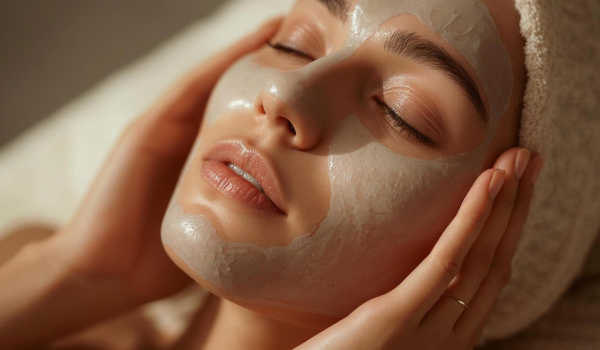
Sheet masks and wash-off masks containing snail mucin may provide an intensive hydration boost.
Repair Creams
These products are commonly marketed toward people looking to soothe damaged or stressed skin.
Under-Eye Treatments
Some eye patches and creams use snail mucin to help hydrate and smooth the delicate under-eye area.
How To Choose A Good Snail Mucin Product
When shopping for snail mucin skincare, check the ingredient list carefully.
Look For Higher Concentrations
Ingredients are listed in descending order by concentration. Products that list snail secretion filtrate near the top of the ingredient list generally contain more of the active ingredient.
Consider Complementary Ingredients
Snail mucin often works well alongside other skincare ingredients such as:
- Vitamin C
- Retinoids
- Hyaluronic acid
- Niacinamide
- Peptides
These ingredients may provide additional anti-aging and skin-supporting benefits.
Potential Risks And Side Effects
Snail mucin is generally considered well tolerated by most users, and serious side effects are uncommon.
However, any skincare ingredient can cause irritation or allergic reactions in some individuals.
Possible Side Effects
Potential reactions may include:
- Redness
- Itching
- Skin irritation
- Rash
- Watery eyes
- Nasal congestion
- Hives
If irritation occurs, discontinue use and consult a healthcare professional.
Who Should Avoid Snail Mucin?
Certain individuals should exercise caution when using snail mucin products.
People With Snail Or Mollusk Allergies
Anyone with known allergies to:
- Snails
- Mollusks
- Shellfish
should avoid snail mucin products unless cleared by a healthcare provider.
People With Highly Sensitive Skin
Those with reactive or sensitive skin may wish to perform a patch test before applying snail mucin to larger areas of the face.
Apply a small amount to a discreet area and monitor for any reaction over 24 to 48 hours.
The Bottom Line
Snail mucin has become a popular skincare ingredient thanks to its potential ability to hydrate, soothe, and support healthier-looking skin. Early research suggests it may help improve skin elasticity, reduce the appearance of fine lines, strengthen the skin barrier, and assist with skin repair.
Although the current evidence is promising, more studies are needed to fully understand its long-term effectiveness. For most people, snail mucin can be a useful addition to a skincare routine, particularly when paired with proven ingredients such as sunscreen, moisturizers, vitamin C, and retinoids.
As with any new skincare product, start slowly, patch test first, and consult a dermatologist if you have concerns about allergies or skin sensitivity.
.gif)










.png)