Collagen skincare products have become increasingly popular for people looking to improve skin hydration, texture, and signs of aging. While many products promise firmer, smoother, and younger-looking skin, the science behind topical collagen is more complex than marketing claims often suggest.
Current evidence indicates that collagen skincare products can help moisturize the skin and improve its appearance. However, there is limited proof that topical collagen can significantly reduce deep wrinkles or reverse age-related collagen loss.
Why Collagen May Benefit The Skin
Much of the research surrounding collagen benefits comes from studies on oral collagen supplements rather than topical skincare products.
Collagen is one of the primary structural proteins in the skin and plays an important role in maintaining:
- Skin firmness
- Elasticity
- Hydration
- Overall skin structure
As we age, natural collagen production declines. This gradual loss contributes to wrinkles, sagging skin, and reduced elasticity.
Research suggests that collagen supplementation may help support skin elasticity, hydration, and texture by replenishing collagen levels within the dermis, the middle layer of the skin.
Collagen may also support the production of elastin, another important protein responsible for keeping skin firm and flexible.
How Effective Is Topical Collagen?
Topical collagen products can improve skin hydration, softness, and surface texture. Many users also notice temporary improvements in the appearance of fine lines.
However, topical collagen faces an important limitation.
Collagen Molecules Are Large
The skin barrier is designed to prevent large molecules from penetrating deeply into the skin. Traditional collagen molecules are generally too large to reach the deeper layers where collagen loss actually occurs.
Because of this, collagen creams and serums are unlikely to directly replace lost collagen in the dermis.
Instead, many of their benefits come from their moisturizing effects, which can temporarily plump the skin and make fine lines appear less noticeable.
Why Hydrolyzed Collagen Is Popular
To improve absorption, many skincare brands use hydrolyzed collagen or collagen peptides.
Hydrolyzed collagen is broken down into smaller peptide fragments, making it easier for the skin to absorb compared to intact collagen molecules.
Products containing collagen peptides or amino acids may help support the skin's natural collagen-building processes while improving hydration and elasticity.
Choosing The Right Type Of Collagen Skincare
When shopping for collagen-based skincare products, look for ingredients such as:
- Hydrolyzed collagen
- Collagen peptides
- Collagen amino acids
These forms are generally considered more effective than standard collagen because they contain smaller molecules.
Types Of Collagen Skincare Products
Collagen Serums
Serums typically contain higher concentrations of active ingredients and have lightweight formulas designed for better penetration.
Collagen serums often focus on:
- Improving skin texture
- Enhancing hydration
- Supporting skin elasticity
Collagen Moisturizers And Creams
Collagen creams combine hydration with collagen-related ingredients to help improve skin smoothness and moisture retention.
These products are commonly used both morning and night.
Collagen Eye Creams
Eye creams containing collagen peptides can help moisturize the delicate skin around the eyes and improve the appearance of fine lines caused by dehydration.
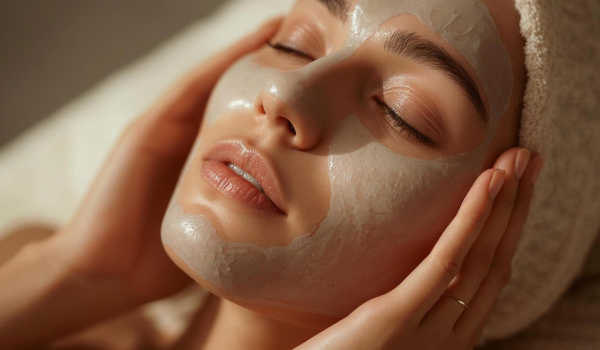
Collagen Masks
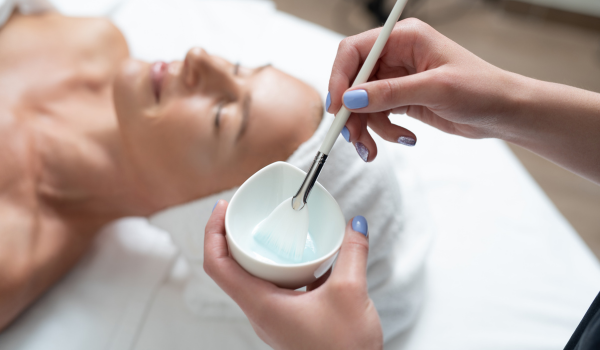
Sheet masks, cream masks, and gel masks infused with collagen can provide an intensive moisturizing treatment and temporarily improve skin texture and softness.
Does "Vegan Collagen" Actually Contain Collagen?
Many skincare products advertise vegan collagen, but these products do not contain actual collagen.
Instead, they contain amino acids, peptides, or plant-derived ingredients designed to support the skin's natural collagen production.
You may see ingredients listed as:
- Collagen amino acids
- SR-Hydrozoan Polypeptide-1
- Cocoyl Hydrolyzed Collagen
These ingredients may help stimulate collagen production but are not collagen themselves.
Do Collagen Face Masks Work?
Collagen masks can be beneficial for hydration and temporary skin smoothing.
However, similar to collagen creams and serums, there is little evidence that collagen masks significantly increase collagen levels in deeper skin layers.
Their primary benefits include:
- Increased hydration
- Improved softness
- Temporary plumping effects
- Enhanced skin texture
For the best results, choose masks containing collagen peptides or hydrolyzed collagen.
How To Use Collagen Skincare Products
Collagen Serums
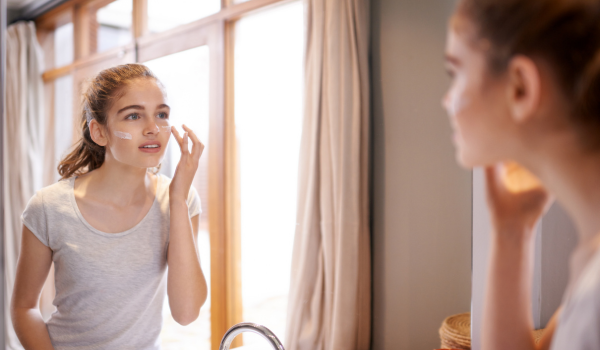
Apply after cleansing and toning. Gently massage a small amount into the face and neck before applying moisturizer.
Collagen Moisturizers
Use after serums and treatment products. Apply to the face and neck to lock in hydration.
Collagen Eye Creams
Gently dab around the eye area using your ring finger to avoid pulling delicate skin.
Collagen Masks
Apply according to the manufacturer's instructions after cleansing. Follow with moisturizer to help seal in hydration.
Other Ingredients That Help Boost Collagen Production
Some skincare ingredients have stronger evidence for supporting collagen production than collagen creams themselves.
Retinol And Retinoids
Vitamin A derivatives stimulate cell turnover and collagen synthesis, helping improve wrinkles, skin texture, and acne.
Vitamin C
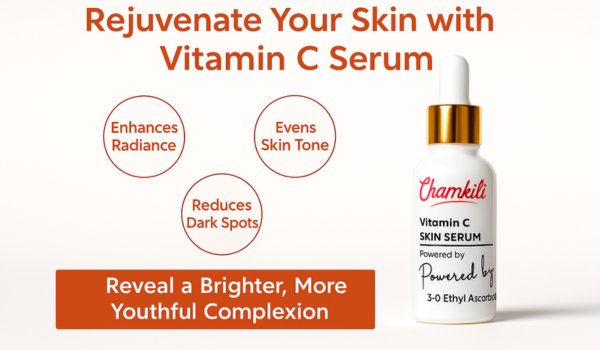
Vitamin C is essential for collagen formation and also acts as a powerful antioxidant that protects collagen from environmental damage.
Niacinamide
Niacinamide helps strengthen the skin barrier, improve elasticity, and support healthy collagen production.
Hyaluronic Acid
Although it does not create collagen directly, hyaluronic acid helps maintain hydration and supports the skin environment needed for healthy collagen function.
What To Know Before Using Collagen Skincare
Topical collagen products are generally considered safe for most people.
However, as with any skincare product, some individuals may experience:
- Redness
- Itching
- Irritation
- Allergic reactions
Before using a new product, perform a patch test on a small area of skin.
If irritation develops, discontinue use.
People who avoid animal-derived ingredients should also check product labels carefully. Many collagen ingredients are sourced from:
- Fish
- Marine organisms
- Animal connective tissues
Vegan alternatives may be a better option for those following plant-based lifestyles.
Natural Ways To Support Collagen Production
In addition to skincare products, several lifestyle habits may help support your body's natural collagen production.
Eat Collagen-Rich Foods
Foods naturally containing collagen include:
- Bone broth
- Chicken
- Beef
- Fish
- Pork
- Gelatin-containing foods
Consume Protein And Amino Acids
The body uses amino acids to produce collagen. Good sources include:
- Beans
- Legumes
- Mushrooms
- Quinoa
- Dairy products
Increase Vitamin C Intake
Vitamin C is essential for collagen synthesis.
Foods rich in vitamin C include:
- Citrus fruits
- Bell peppers
- Broccoli
- Strawberries
Wear Sunscreen Daily
Ultraviolet radiation accelerates collagen breakdown. Daily sunscreen use helps preserve existing collagen.
Avoid Smoking
Smoking damages collagen and elastin, accelerating visible skin aging.
Consider Professional Treatments
Certain dermatological procedures may stimulate collagen production, including:
- Red light therapy
- Microneedling
- Laser treatments
- Radiofrequency treatments
The Bottom Line
Collagen skincare products can improve hydration, softness, and skin texture, making the skin appear smoother and healthier. However, topical collagen is unlikely to replace lost collagen deep within the skin due to its limited ability to penetrate the skin barrier.
For the best anti-aging results, consider combining collagen skincare with proven collagen-supporting ingredients such as retinol, vitamin C, niacinamide, and hyaluronic acid, while also maintaining healthy lifestyle habits that support natural collagen production.
.gif)







.png)