
High blood pressure affects nearly half of adults and is one of the leading risk factors for heart attacks, strokes, and other cardiovascular diseases. The good news is that walking is one of the simplest and most effective ways to help manage blood pressure naturally. Many people wonder whether there is a specific time of day that delivers the greatest benefit. While research offers some clues, consistency remains the most important factor.
Is There A Best Time To Walk For Blood Pressure?
Blood pressure naturally follows a daily rhythm. It tends to rise in the morning after waking and gradually decreases throughout the day before reaching its lowest point during sleep.
Because the blood pressure-lowering effects of exercise can last for several hours after activity, the time you choose to walk may influence when those benefits occur. This temporary reduction is often referred to as post-exercise hypotension.
Some research suggests that walking or performing aerobic exercise in the late afternoon or evening may lead to greater reductions in systolic blood pressure compared to morning workouts. However, study results remain mixed, and responses can vary significantly between individuals.
For some people, evening exercise may provide the greatest benefit. Others may respond equally well to morning walks. The differences are generally modest, and no single schedule works best for everyone.
It's also important to consider sleep quality. Vigorous exercise too close to bedtime may interfere with sleep for some individuals. If a brisk evening walk leaves you feeling energized and unable to relax, moving your workout earlier in the day may be a better option.
Ultimately, the best time to walk is the time you can consistently commit to. Regular movement is far more important than finding the perfect hour.
Factors That Influence Walking's Blood Pressure Benefits
Several factors can affect how much walking helps lower blood pressure.
Consistency
Regular walking over weeks and months produces the greatest improvements. Occasional walks can temporarily reduce blood pressure, but long-term consistency is what helps maintain healthier readings.
Starting Blood Pressure
People with higher blood pressure often experience larger improvements from exercise. If your blood pressure is already within a healthy range, the changes may be smaller but still beneficial for overall heart health.
Lifestyle Habits
Poor sleep, chronic stress, excessive alcohol consumption, and unhealthy dietary habits can all contribute to elevated blood pressure. These factors may also reduce the positive effects of exercise.
Walking Speed
A leisurely stroll is beneficial, but brisk walking tends to provide greater cardiovascular benefits. A simple guideline is that you should be able to carry on a conversation while walking, but singing should feel difficult.
Health experts generally recommend at least 150 minutes of moderate-intensity exercise each week. Brisk walking is one of the easiest ways to achieve that goal.
How Walking Helps Lower Blood Pressure
Blood pressure rises when the force of blood pushing against artery walls remains elevated for extended periods. Over time, this places additional strain on the heart and blood vessels.
Walking helps improve blood pressure through several important mechanisms.
Improves Blood Vessel Function
Aerobic exercise encourages blood vessels to produce more nitric oxide, a compound that helps arteries relax and widen. This improved flexibility allows blood to flow more easily and reduces pressure within the circulatory system.
Reduces Stress Hormones
Walking can lower levels of cortisol, one of the body's primary stress hormones. Chronic stress contributes to elevated blood pressure by causing blood vessels to constrict and increasing heart workload.
Supports Heart Health
Regular walking strengthens the heart muscle, allowing it to pump blood more efficiently. A stronger heart can move blood with less effort, helping lower blood pressure over time.
Improves Overall Cardiovascular Fitness
As endurance improves, circulation becomes more efficient and the cardiovascular system experiences less strain during daily activities.
Tips To Get The Most Benefit From Walking
To maximize the blood pressure-lowering effects of walking, consider the following strategies:
Walk Consistently
Aim for most days of the week rather than relying on occasional long sessions.
Increase Intensity Gradually
If you're new to exercise, start with a comfortable pace and slowly increase speed and duration over time.
Track Your Progress
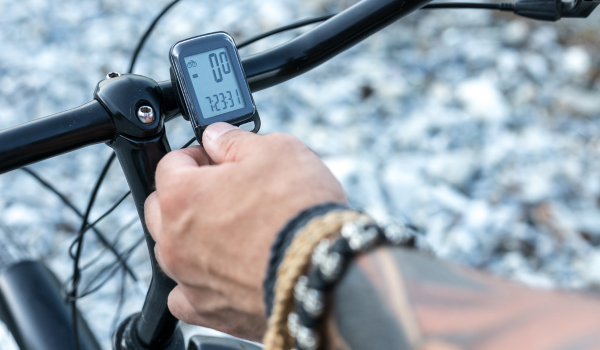
Using a fitness tracker or simply recording your walks can help maintain motivation and consistency.
Combine Walking With Healthy Habits
Pair regular walks with a balanced diet, quality sleep, stress management, and proper hydration for the best results.
Listen To Your Body
Choose a walking schedule that fits your lifestyle and energy levels. The routine you can maintain is always the most effective one.
The Bottom Line
Walking is one of the most accessible and effective ways to help lower blood pressure naturally. While some evidence suggests that afternoon or evening walks may provide slightly greater benefits, the difference is relatively small.
What matters most is walking regularly, maintaining a brisk pace, and making physical activity a consistent part of your routine. Combined with other healthy lifestyle habits, a daily walk can play a significant role in supporting long-term heart health and blood pressure control.


.png)



.png)






.png)



.png)




.png)
.png)