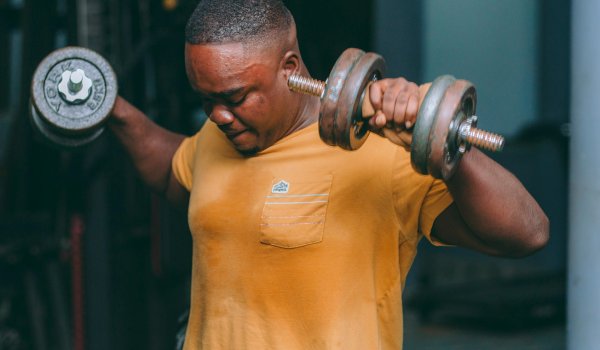
Building muscle (hypertrophy) takes time, consistency, and a strategic approach. Lifting weights alone is not enough. Effective muscle growth requires a well-structured training program, sufficient nutrition, proper hydration, and adequate rest and recovery. Progress varies widely from person to person due to differences in genetics, fitness level, and body composition.
Timeline For Building Muscle
Muscle growth does not happen overnight. While some people notice early changes within a few weeks, meaningful increases in muscle size usually require sustained training over time.
Several factors influence how quickly muscle develops:
Age And Hormonal Profile
Younger individuals and those with higher anabolic hormone levels tend to gain muscle more efficiently.
Training Load And Consistency
Progressive overload and regular training sessions are essential for stimulating muscle growth.
Recovery And Rest Patterns
Inadequate recovery can slow progress and increase injury risk.
Protein And Carbohydrate Intake
Sufficient calories and macronutrients support muscle repair and growth.
Hydration And Overall Health
Dehydration and poor health can negatively impact performance and recovery.
Research suggests visible muscle changes may appear after as few as seven to ten training sessions, while more noticeable hypertrophy typically occurs after 15–18 sessions of consistent resistance training.
Differences In Muscle Growth Between Males And Females
Biological sex influences muscle-building potential, largely due to hormonal differences.
Testosterone Levels
Males generally have significantly higher testosterone levels, which supports faster muscle growth and greater overall muscle mass.
Strength And Injury Patterns
Females may experience comparable or greater strength gains relative to body size, while males may have a higher risk of training-related injuries.
Muscle Endurance Differences
Females often demonstrate greater resistance to fatigue during sustained or isometric muscle contractions.
Despite these differences, both males and females can effectively build muscle with appropriate training and nutrition.
How Muscles Grow
Muscle growth occurs when muscle fibers are exposed to sufficient stress and recover properly.
Mechanical Tension
Lifting weights or performing resistance exercises creates tension that stimulates muscle fibers to adapt and grow thicker.
Metabolic Stress
Exercise leads to the accumulation of metabolites such as lactate and creatine, which contribute to muscle growth signaling.
Muscle Fiber Adaptation
Fast-twitch muscle fibers tend to respond more rapidly to hypertrophy training, though genetics heavily influence fiber composition.
Muscle gain rates vary, but anyone following an effective program with adequate recovery can make progress over time.
Effective Training Practices
Strength training is the foundation of muscle growth, but a balanced approach delivers the best results.
Strength Training Principles
Muscles must be challenged with loads they are not accustomed to in order to grow. Progressive overload is essential.
General guidelines include:
Exercise Selection And Frequency
Train major muscle groups using 8–10 exercises at least twice per week.
Repetition And Set Structure
Perform 8–10 repetitions per exercise for 2–3 sets, resting no more than 60 seconds between sets.
Intensity Level
Use weights that feel challenging, typically around 70–80% of your one-repetition maximum.
Role Of Cardio
Contrary to common belief, moderate cardio does not prevent muscle growth. Cardiovascular training improves overall endurance and recovery capacity, especially in older adults.
Cardio recommendations include:
Intensity And Duration
Train at 70–80% of heart rate reserve for 30–45 minutes.
Frequency
Limit cardio sessions to four to five days per week to avoid interfering with recovery.
The Role Of Rest And Recovery
Muscle growth occurs during recovery, not during workouts.
Rest Between Sets
Resting around 60 seconds between sets maintains metabolic stress while allowing partial recovery.
Recovery Days
Muscle groups should rest for at least 48–72 hours before being trained again to allow repair and adaptation.
Training Split Strategy
Rotating muscle groups throughout the week helps prevent overuse injuries and supports consistent progress.
Nutrition For Muscle Growth
Nutrition plays a critical role in supporting training adaptations.
Pre-Workout Fueling
Consuming 30–60 grams of carbohydrates and 5–10 grams of protein 30–60 minutes before exercise can enhance performance and recovery.
Post-Workout Nutrition
Aim to consume 20–40 grams of protein every 3–4 hours. The most effective window for muscle protein synthesis is within two hours after training.
Protein Timing And Distribution
Spreading protein intake evenly throughout the day supports sustained muscle repair.
Supplement Considerations
Creatine supplementation may support strength and muscle gains. Addressing nutrient deficiencies, such as vitamin D, can also improve results.
Final Takeaway
Building muscle faster requires more than lifting heavier weights. Consistent training, adequate nutrition, proper recovery, and realistic expectations are all essential components of success.
While genetics, age, and hormones influence results, anyone can build muscle with a structured plan, patience, and long-term consistency.


.png)




.png)









.png)



.png)





.png)

.png)