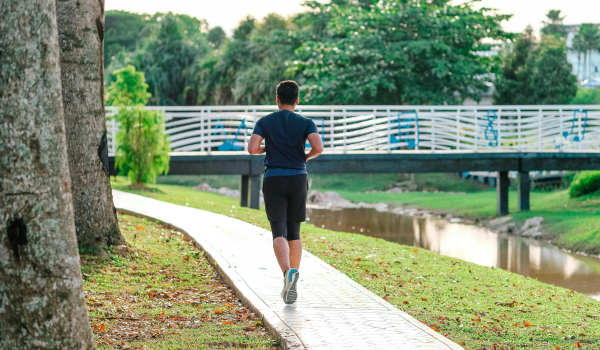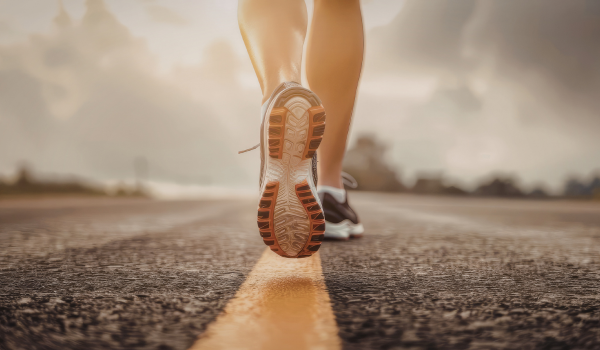
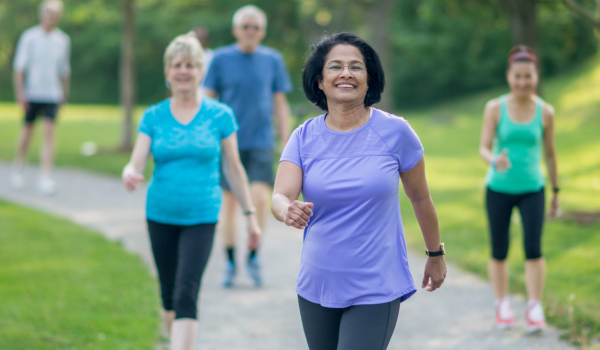
Walking either before or after meals can support your health, but each timing offers different benefits. Walking before eating may help your body burn more fat, while walking after meals can improve digestion and help control blood sugar levels.
The best choice depends on your goals, lifestyle, and personal preference.
When’s The Best Time To Walk?
There is no single “best” time for everyone. Both pre-meal and post-meal walking can support weight management, metabolic health, and overall well-being.
-
Walking before meals may help increase fat burning
-
Walking after meals may help regulate blood sugar and digestion
Your individual health goals—such as fat loss, blood sugar control, or improving digestion—should guide your choice.
Why Walking Before Meals Might Be A Good Idea
Walking on an empty stomach, such as in the morning or several hours after eating, may encourage your body to use stored fat for energy.
Some research suggests that exercising in a fasted state can increase fat burning compared to exercising after eating.
Additional potential benefits of walking before meals include:
-
Boosting daily energy levels
-
Improving blood circulation
-
Increasing metabolic activity
-
Supporting blood sugar balance
-
Helping reduce blood lipid levels
This approach may be especially helpful for people focused on fat loss.
What Happens When You Walk After Eating
Walking after meals offers several important health benefits, particularly for digestion and blood sugar control.
Improves Digestion
Light walking after eating can help food move more efficiently through the digestive system. This may reduce symptoms such as bloating, gas, and discomfort.
Even a short walk of 10–15 minutes after meals has been shown to improve digestive comfort in some individuals.
Helps Manage Blood Sugar
After eating, blood sugar levels naturally rise, usually peaking within 30 to 60 minutes.
Walking helps your muscles use glucose for energy, which can reduce blood sugar spikes. Even short walks of 2–5 minutes can have a noticeable effect.
This makes post-meal walking especially beneficial for people with insulin resistance or diabetes risk.
Promotes Weight Loss
Walking consistently supports weight management. Some studies suggest that walking soon after meals may be more effective for weight loss than waiting longer after eating.
A brisk walk within 30 minutes after meals—especially lunch or dinner—may enhance calorie burning and improve metabolic response.
Which Should You Choose?
The best timing depends on what you want to achieve:
-
Choose walking before meals if your goal is to increase fat burning
-
Choose walking after meals if your goal is to control blood sugar and improve digestion
If possible, combining both approaches throughout the day can provide balanced benefits.
For example, a morning fasted walk plus short walks after meals can support both fat metabolism and glucose control.
Tips For Improving Your Results
Walking regularly is more important than perfect timing. To maximize benefits, consider the following tips:
-
Walk soon after eating: This helps reduce blood sugar spikes
-
Start small: Even a few minutes of walking is beneficial if you are just starting
-
Be consistent: Daily movement matters more than intensity
-
Avoid high-intensity exercise right after meals: Gentle walking is better for digestion
-
Pay attention to your diet: Healthy food choices complement your activity
-
Increase daily steps: Gradually working toward higher step counts supports overall health
Walking can also improve sleep, boost mood, and support heart health when practiced consistently.

.png)



.png)






.png)


.png)

.png)
.png)