Push-ups are a classic bodyweight exercise for a reason. They can be done anywhere, require no equipment, and engage multiple muscle groups at once. Because of this, push-ups are often used as a simple way to measure upper-body strength, endurance, and overall fitness.
Why Push-Ups Matter for Your Health
Push-ups are considered a highly functional movement because they mirror actions you perform in everyday life.
key benefits of push-ups
- Build upper-body strength
- Improve muscular endurance
- Support daily pushing movements
- Strengthen and stabilize the core
This exercise doesn’t just target the chest—it also activates several other muscle groups:
muscles worked
- Shoulders and stabilizing muscles around the shoulder blades
- Triceps
- Core stabilizers
Some research suggests that the ability to perform more push-ups may be linked to better cardiovascular health, although this likely reflects overall fitness rather than push-ups directly preventing disease.
How Many Push-Ups Should You Be Able to Do?
There’s no universal number that applies to everyone. Your push-up performance depends on factors such as age, body weight, strength, and training experience.
Here are general benchmarks considered “good” by age:
good performance by age
- Ages 20–29: 22–28 (men), 15–20 (women)
- Ages 30–39: 17–21 (men), 13–19 (women)
- Ages 40–49: 13–16 (men), 11–14 (women)
- Ages 50–59: 10–12 (men), 7–10 (women)
- Ages 60–69: 8–10 (men), 5–11 (women)
For “excellent” performance:
excellent performance by age
- Ages 20–29: 35–45+ (men), 25–35+ (women)
- Ages 30–39: 32–40+ (men), 20–30+ (women)
- Ages 40–49: 28–35+ (men), 18–25+ (women)
- Ages 50–59: 22–30+ (men), 15–20+ (women)
- Ages 60–69: 18–22+ (men), 11–15+ (women)
What If You Can’t Do That Many?
Struggling with push-ups is very common, especially for beginners.
why push-ups are challenging
A standard push-up requires lifting about 60–70% of your body weight, which can be difficult if you’re new to strength training.
You can start with easier variations:
beginner-friendly modifications
- Incline push-ups (hands on a wall or bench)
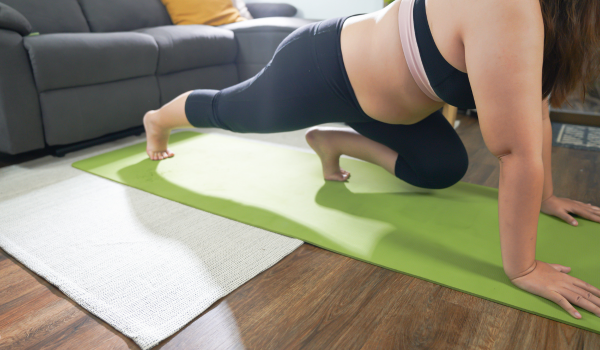
- Knee push-ups
- Partial range push-ups
These variations help build strength gradually and improve your technique.
How to Do a Proper Push-Up
Proper form is more important than the number of reps.
correct form checklist
- Keep your body in a straight line from head to heels
- Engage your core, glutes, and legs
- Place hands slightly wider than shoulder-width
- Keep elbows at a 30–45° angle
- Lower your chest close to the floor, then push back up
common mistakes
- Letting the lower back sag
- Raising the hips too high
- Collapsing the shoulders
- Flaring elbows too wide
How to Improve Your Push-Up Count
Improving push-ups requires consistent practice.
how to get better
- Train push-ups 2–4 times per week
- Perform 3–4 sets per session
- Add supporting exercises:
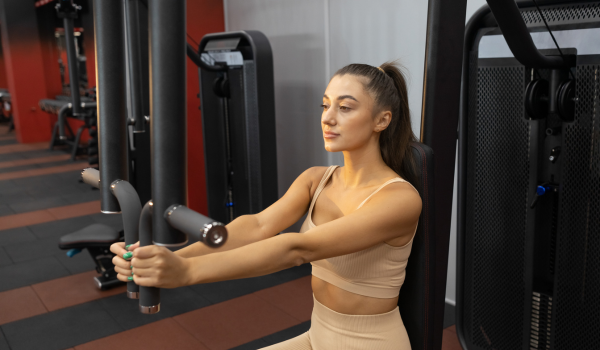
- Chest presses
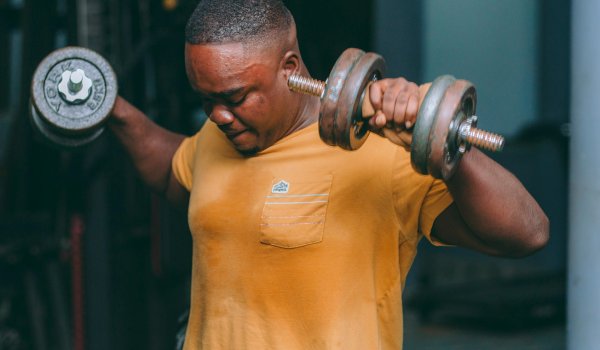
- Shoulder presses
- Triceps dips
- Resistance band work
strengthen your core
- Planks
- Side planks
- Pallof press
Once push-ups feel easier, you can increase the challenge:
progression ideas
- Elevate your feet
- Slow down the tempo
- Add more sets or reps
The key takeaway: quality matters more than quantity. A few perfect push-ups are far more effective than many performed with poor form.


.png)




.png)





.png)


.png)



.png)

.png)