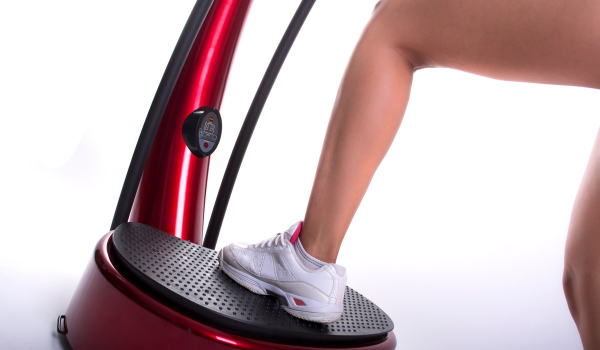
Vibration plates, also known as whole-body vibration machines, have become one of the most talked-about fitness devices in recent years. You may have seen them on social media, in wellness clinics, at physical therapy offices, or even in home gyms. The idea sounds simple: stand, sit, or exercise on a platform that vibrates rapidly, and your muscles respond by contracting again and again.
Supporters claim vibration plates can help improve muscle strength, support bone density, speed up recovery, enhance balance, and even assist with lymphatic drainage. But are these benefits truly backed by science, or is this just another fitness trend with more hype than proof?
The answer is somewhere in the middle. Vibration plates may offer certain benefits, especially when used correctly, but they are not a magic shortcut and should not replace regular exercise.
What Are Vibration Plates?
Vibration plates are exercise platforms that produce rapid vibrations while you stand, sit, or perform movements on them. These vibrations are usually very small, often in the range of one to two millimeters, but they happen quickly enough to stimulate repeated muscle activity.
When your body senses the vibration, your muscles automatically contract to help stabilize you. This response is often linked to something called the tonic vibration reflex, which is the body’s natural reaction to rapid stretching or movement in the muscles.
In simple terms, the machine creates a small challenge for your body. Your muscles must work to keep you steady, and over time, this repeated stimulation may help improve certain aspects of strength, balance, and physical function.
Potential Benefits Of Vibration Plates
Vibration plates are often promoted with a long list of benefits, but not all of those claims are equally supported by research. The strongest evidence appears to be around balance, muscle activation, and possibly recovery. Other claims, such as major fat loss or dramatic bone improvements, are less certain.
Improved Bone Density
Bone density naturally declines with age. This is especially common in women after menopause, when hormonal changes can increase the risk of osteoporosis. Because bones respond to mechanical stress, activities like walking, running, jumping, and resistance training can help maintain bone strength.
Vibration plates may provide a mild form of mechanical stress to the bones. The repeated vibrations may encourage the body to adapt in a way that supports bone remodeling. For people who cannot perform traditional weight-bearing exercises, this may offer some value.
However, the research is still mixed. Some studies suggest potential benefits, while others show limited or unclear results. For most healthy adults, vibration plates should not be viewed as a replacement for weight-bearing exercise. Walking, strength training, and other impact-based activities remain more reliable choices for long-term bone health.
Muscle Strength And Recovery
One of the more promising areas for vibration plates is muscle activation. Because the platform vibrates rapidly, your muscles must contract and relax many times per second. This can increase muscle engagement during simple movements such as squats, lunges, or calf raises.
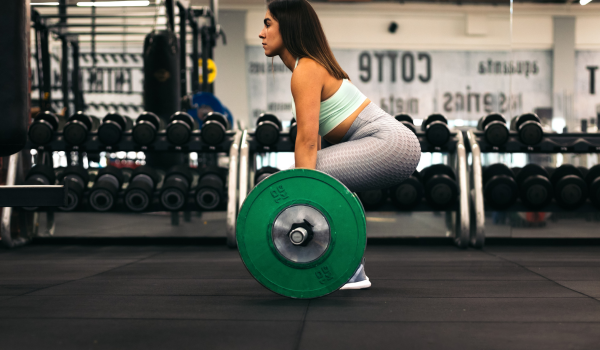
Some research suggests vibration training may improve muscle strength to a modest degree. However, the effect is usually much smaller than what can be achieved through regular resistance training. If your goal is to build significant strength or muscle mass, lifting weights, using resistance bands, and following a structured workout plan will still be more effective.
Vibration plates may also help with recovery after exercise. Some studies suggest that using vibration after a workout may help reduce muscle soreness and support circulation. This could make the body feel less stiff after intense activity, although more research is needed to confirm how meaningful this benefit is.
Better Balance
Balance may be one of the most practical benefits of vibration plates. When you stand on a vibrating surface, your body must constantly make small adjustments to stay stable. This challenges your muscles, joints, and nervous system to work together.
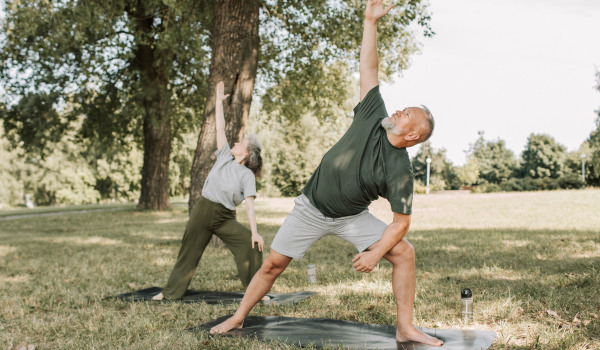
For older adults, better balance can be especially important. Poor balance increases the risk of falls, which can lead to serious injuries such as fractures or head trauma. Adding vibration plate exercises to a safe fitness routine may help improve stability and body awareness.
That said, people with serious balance problems should be careful. The vibration itself can make standing more difficult, so beginners should start slowly and use support if needed.
Lymphatic Drainage
Another popular claim is that vibration plates can support lymphatic drainage. The lymphatic system helps move fluid through the body, and unlike the heart, it does not have its own central pump. It relies heavily on muscle contractions, movement, and breathing.
Because vibration plates cause repeated muscle contractions, they may help stimulate circulation and fluid movement. This is why some people use them as part of a wellness or recovery routine.
However, the evidence is still limited. While there may be some potential benefit, especially when combined with movement or manual lymphatic techniques, there are not enough high-quality human studies to prove that vibration plates significantly improve lymphatic drainage in healthy people.
Are Vibration Plates Good For Weight Loss?
Many people buy vibration plates hoping they will help burn fat quickly. This is one of the most common marketing claims, but it is also one of the easiest to misunderstand.
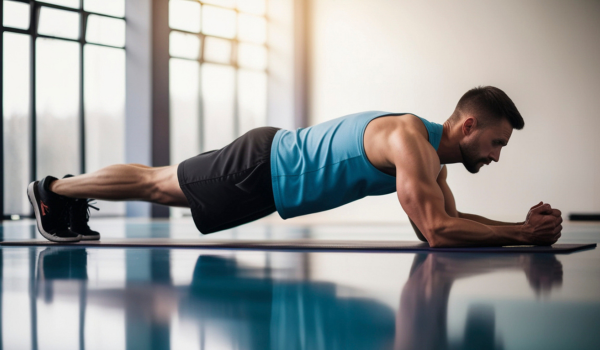
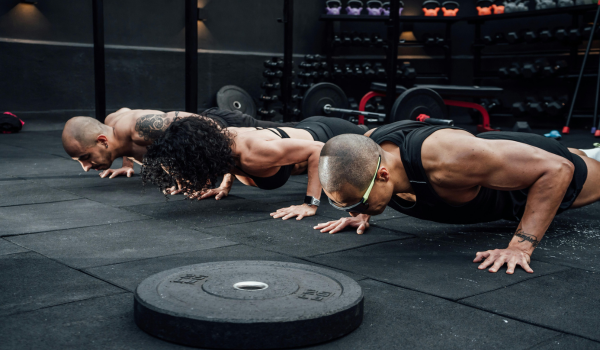
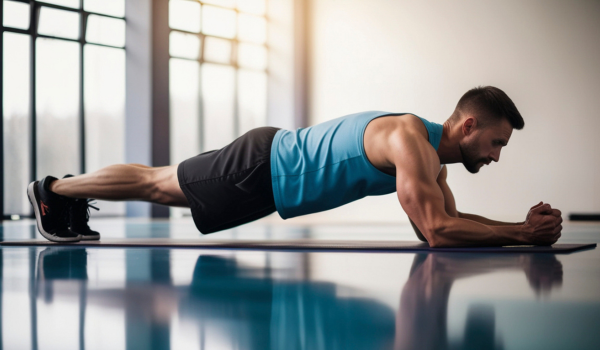
Vibration plates can increase muscle activity, especially when combined with exercises like squats, planks, push-ups, or lunges. However, simply standing on the machine is unlikely to burn a large number of calories.
For weight loss, the basics still matter most: regular movement, strength training, a balanced diet, enough sleep, and consistency. A vibration plate may make workouts feel more engaging or add a small challenge, but it will not replace the need for an active lifestyle.
If used correctly, it can be part of a weight management routine. But it should not be treated as a shortcut.
Who May Benefit From Vibration Plates?
Vibration plates may be useful for people who want a gentle way to add variety to their workouts. They may also be helpful for those who are rebuilding strength, improving balance, or looking for light recovery support.
They can be especially appealing for people who dislike traditional exercise or have limited time. A short vibration session may encourage more movement throughout the day, which is better than staying inactive.
However, the best results usually come when vibration plates are combined with active exercise. Standing still on the plate may offer some stimulation, but performing controlled movements on it can make the session more effective.
Who Should Be Careful?
Although vibration plates are generally considered safe for many healthy adults, they are not suitable for everyone. You should speak with a healthcare professional before using one if you have certain medical conditions or recent injuries.
Joint Replacement
People who have had a joint replacement should ask a doctor or physical therapist before using a vibration plate. The repeated vibrations may not be appropriate during certain stages of recovery.
Recent Injury
If you are recovering from a muscle strain, ligament injury, surgery, or other recent physical trauma, vibration training may place extra stress on the body.
Significant Fracture
Anyone with a recent or serious fracture should avoid vibration plates unless cleared by a medical professional.
Serious Balance Problems
People with major balance issues, dizziness, or a high risk of falling should be cautious. The moving platform can make stability more difficult.
Pregnancy Or Certain Health Conditions
People who are pregnant, have implanted medical devices, blood clotting concerns, severe cardiovascular conditions, or neurological issues should seek medical advice first.
How To Use A Vibration Plate Safely
If you are new to vibration plates, start slowly. A few minutes at a low intensity is usually better than jumping into a long session. Your body needs time to adjust to the sensation.
Keep your knees slightly bent instead of locking your legs. This helps your muscles absorb the vibration more safely. You can also hold onto a stable surface if you are unsure about your balance.
Basic movements such as gentle squats, calf raises, or standing balance exercises are good starting points. As you become more comfortable, you can add more controlled exercises.
Avoid using the machine for too long. More is not always better. Short, consistent sessions are usually safer and more practical than long, intense sessions.
Are Vibration Plates Worth It?
Vibration plates can be worth trying if you understand their limitations. They may help improve balance, support light muscle activation, and add variety to your fitness routine. They may also be useful for people who want a low-impact option or a simple way to stay more active at home.
However, they are not a replacement for regular exercise. They will not build major strength like resistance training, they will not dramatically improve bone density on their own, and they are not a guaranteed weight loss tool.
The best way to think of a vibration plate is as a supplement. It can support your routine, but it should not become the entire routine.
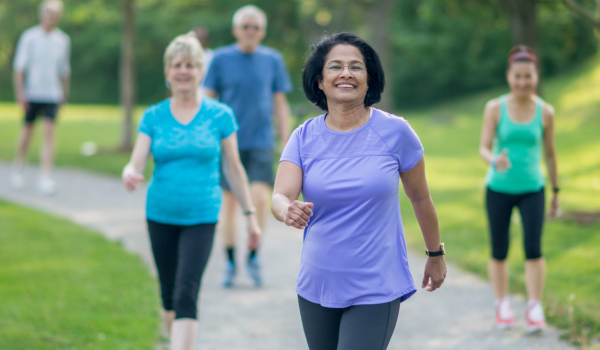
For most people, the foundation should still be walking, strength training, mobility work, balanced nutrition, and enough recovery. If a vibration plate helps you move more consistently, it can be a useful addition. But if you expect it to do all the work for you, it will likely disappoint.
Final Thoughts
Vibration plates are not just a passing wellness gimmick, but they are also not the miracle device some advertisements make them seem to be. The evidence suggests they may offer modest benefits for balance, muscle activation, and recovery, while claims around major fat loss, dramatic bone density improvement, and lymphatic drainage remain less certain.
If you are healthy, have good balance, and want to add something new to your workout routine, a vibration plate may be worth trying. Just use it safely, start slowly, and keep your expectations realistic.
For long-term health, the most effective approach is still simple: move regularly, build strength, eat well, sleep enough, and stay consistent. A vibration plate can support that lifestyle, but it should never replace it.
.png)

.png)



.png)
.png)


.png)
.png)