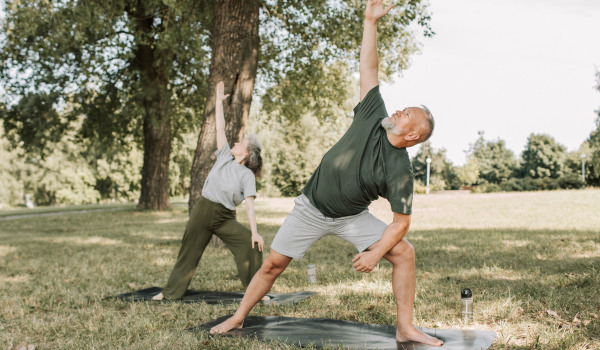
Regular exercise plays an important role in helping the body stay strong, mobile, and healthy as we age. Staying active can reduce stress, support joint health, prevent injuries, maintain independence, and improve overall quality of life later in life.
Research has shown that even just 15 minutes of exercise per day can provide meaningful benefits for long-term health and longevity. Full-body exercises are especially valuable because they strengthen multiple muscle groups at once while improving balance, coordination, mobility, and endurance.
Below are four highly effective full-body movements that adults under 60 should consider adding to their weekly routine.
Squats
Squats are often considered one of the most important exercises for maintaining long-term strength and independence. Lower-body strength is strongly associated with better balance, mobility, and overall function as people age.
The squat movement also mimics daily activities such as sitting down and standing up from a chair, making it highly functional for everyday life.
How To Do It
Stand with your feet slightly wider than hip-width apart and point your toes slightly outward.
Begin the movement by pushing your hips backward as if sitting into a chair. Bend your knees until they reach approximately a 90-degree angle. Extend your arms forward if needed for balance.
Push through your feet, tighten your glutes and thighs, and return to a standing position.
How To Modify It
If regular squats feel difficult, practice using a chair. Slowly lower yourself onto the chair with control, then stand back up.
How To Progress It
Add resistance using dumbbells, kettlebells, or barbells to build more muscle strength. You can also perform squats on unstable surfaces like a balance pad to challenge coordination and stability.
Deadlifts
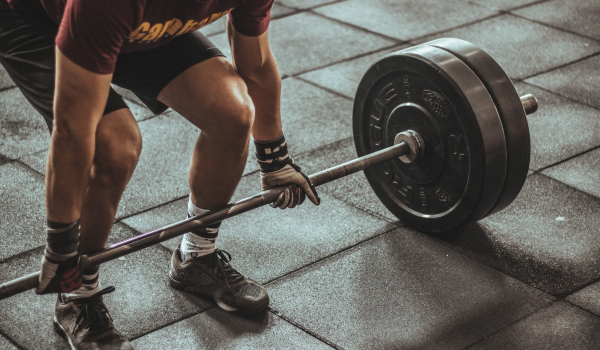
Deadlifts strengthen the hips, lower back, glutes, core, and legs. This exercise also improves the movement pattern used when bending down to pick up objects safely.
Because deadlifts involve multiple joints and muscle groups, they help improve overall body strength, posture, mobility, and core stability while potentially reducing lower back discomfort over time.
How To Do It
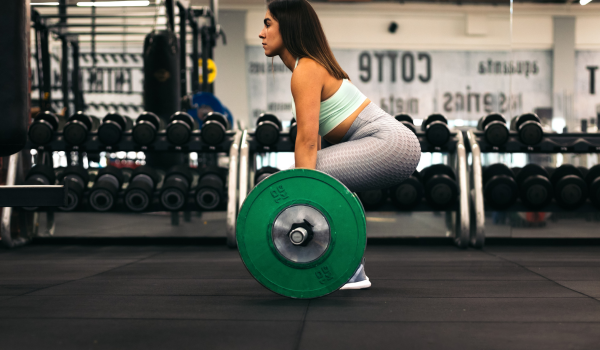
Stand with your feet hip-width apart and place the barbell or weight over the middle of your feet.
Bend forward while keeping your back neutral and grip the weight at shoulder-width distance. Slightly bend your knees and keep your weight centered through your heels.
Engage your core and stand up by driving through your feet while keeping the weight close to your body.
Lower the weight back down slowly and with control while maintaining proper posture.
How To Modify It
Practice the movement pattern without weight first. A broomstick or lightweight object can help you learn correct form safely.
How To Progress It
Try single-leg deadlifts using one dumbbell or kettlebell to improve balance, coordination, and unilateral strength.
Side Planks
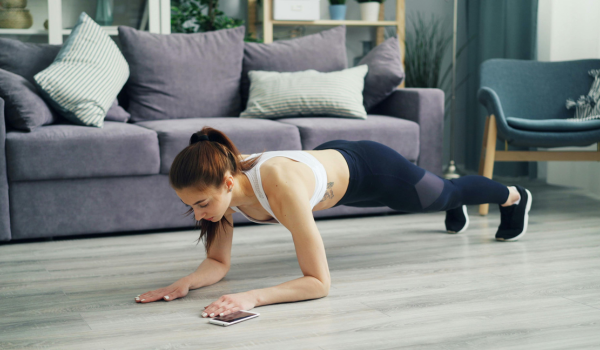
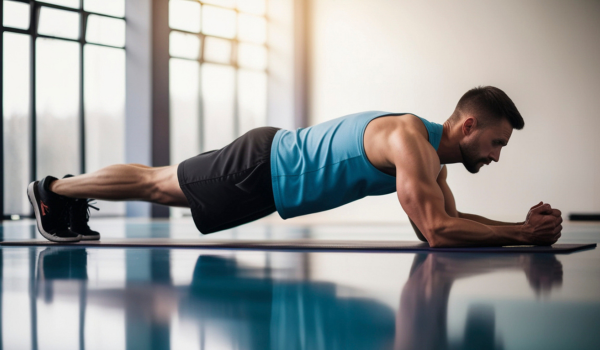
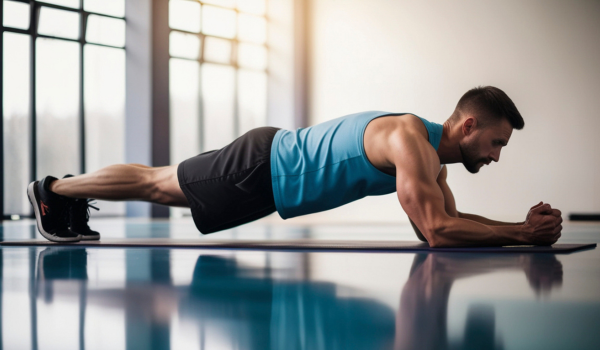
Side planks strengthen the core, shoulders, back, hips, and oblique muscles. Unlike traditional planks, side planks help improve posture by targeting muscles that support spinal alignment and shoulder stability.
They also strengthen the glutes and hip stabilizers, which are important for balance and injury prevention.
How To Do It
Sit on the floor with your legs extended to one side. Place your forearm on the ground directly under your shoulder.
Straighten your legs and stack your feet in line with your hips.
Lift your shoulder slightly before raising your hips off the floor to engage the stabilizing muscles properly.
Push through your forearm and raise your hips until your body forms a straight line from head to heels.
Hold the position for 10 seconds initially, gradually increasing to 30 or 60 seconds.
Repeat on the opposite side.
How To Modify It
Keep your knees bent and resting on the floor if the full version feels too difficult or uncomfortable.
How To Progress It
Lift the top leg during the hold or perform slow side plank hip dips to increase the challenge.
Dead Hangs
Dead hangs are excellent for improving grip strength, shoulder stability, posture, and spinal decompression. Grip strength has been linked to better bone health, cognition, sleep quality, and overall longevity.
This exercise can also help counteract the effects of prolonged sitting and poor posture.
How To Do It
Find a sturdy pull-up bar capable of supporting your body weight.
Grip the bar with your hands shoulder-width apart while keeping your feet supported initially.
Slowly allow one foot to hang, then both if comfortable.
Keep your shoulders engaged by pulling them slightly downward away from your ears.
Hold the position for 10 seconds and gradually increase the duration over time.
How To Modify It
Keep one foot supported or use a resistance band under your feet for assistance.
How To Progress It
Increase the hanging time, attempt one-arm hangs, or work toward performing pull-ups.
How To Start A Full-Body Routine Safely
Starting a new exercise program safely is important for long-term success and injury prevention.
Talk To Your Doctor
Consult a healthcare professional before beginning a new fitness routine, especially if you have existing health concerns or injuries.
Respect Recovery Days
Strength training should generally be performed every other day to allow muscles time to recover and rebuild.
Start Slowly
Focus on consistency instead of intensity. Gradual progress over time is more effective and sustainable than occasional hard workouts.
Prioritize Proper Form
Master technique before adding heavier weights or more advanced variations.
Listen To Your Body
Pain should never be ignored. If something feels wrong, consider working with a trainer or physical therapist to improve form and movement patterns.
Tips For Staying Consistent And Motivated
Consistency is one of the most important factors for long-term fitness success.
Track Your Progress
Keeping a workout journal, taking photos, or simply noticing improved energy and strength can help maintain motivation.
Take Breaks When Needed
Avoid burnout by allowing yourself time to rest and recover when necessary.
Exercise With Others
Working out with a friend, coach, or group can improve accountability and make exercise more enjoyable.
Prepare Ahead Of Time
Wearing workout clothes early in the day or planning workouts in advance can reduce excuses and increase consistency.
Choose Activities You Enjoy
The best exercise routine is one you can maintain long term. Activities that feel enjoyable are far easier to turn into lasting habits.
The Bottom Line
Full-body exercises like squats, deadlifts, side planks, and dead hangs can help adults under 60 maintain strength, balance, mobility, posture, and independence as they age.
Even short daily workouts can provide meaningful health benefits over time. The key is consistency, proper form, gradual progression, and finding movement that feels sustainable and enjoyable.

.png)

.png)

.png)
.png)

.png)
.png)