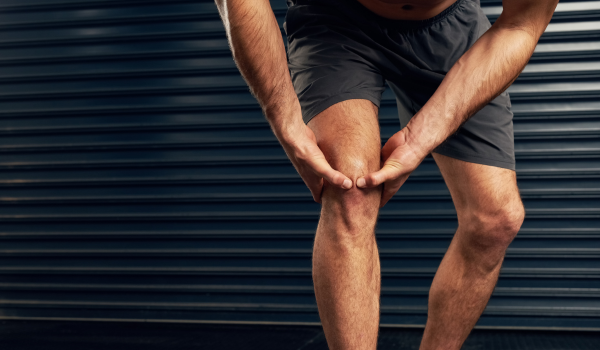
The hamstrings are a group of three muscles located at the back of the thigh. They play an essential role in walking, climbing stairs, running, squatting, and maintaining healthy knee and hip movement. Because these muscles are frequently used in daily activities and exercise, they are also prone to tightness, strains, and injuries.
Two of the most popular hamstring-strengthening exercises are the hamstring curl and the Romanian deadlift. While both effectively target the hamstrings, each movement offers unique benefits. The best choice often depends on your experience level, fitness goals, and injury history.
Is One Exercise Better Than The Other?
There is no single winner when comparing hamstring curls and Romanian deadlifts. Both exercises train the hamstrings differently and can be valuable additions to a strength-training program.
For beginners or those looking for a simpler movement pattern, hamstring curls are often easier to learn and perform safely. The exercise directly isolates the hamstrings and requires less coordination than a Romanian deadlift.
More experienced lifters, however, may benefit from prioritizing Romanian deadlifts because they allow heavier loading and recruit multiple muscle groups simultaneously. This makes them particularly effective for building overall strength and athletic performance.
If possible, incorporating both exercises into your training routine can provide the greatest benefits. Combining knee-flexion exercises such as hamstring curls with hip-hinge movements like Romanian deadlifts helps create stronger, more resilient hamstrings while supporting long-term muscle growth and injury prevention.
Benefits Of Hamstring Curls
Hamstring curls focus on knee flexion, which directly targets the hamstring muscles.
Key Benefits
- Isolates the hamstrings effectively
- Suitable for beginners
- Improves knee stability
- Helps strengthen muscles commonly involved in running and walking
- Can be performed using machines, resistance bands, exercise balls, or bodyweight variations
Because the movement is relatively simple, it allows exercisers to focus on muscle activation without worrying about complex technique.
Benefits Of Romanian Deadlifts
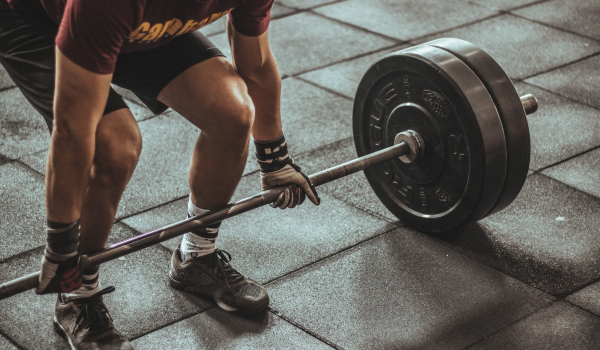
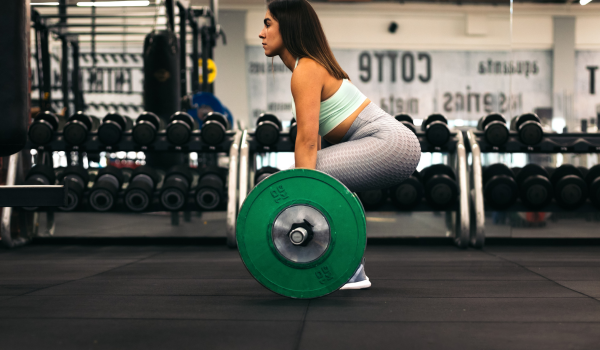
Romanian deadlifts emphasize the hip hinge movement pattern and train the hamstrings through a larger range of motion.
Key Benefits
- Builds significant hamstring strength
- Strengthens the glutes and lower back
- Improves athletic performance
- Enhances hip mobility
- Allows heavier resistance compared to hamstring curls
Romanian deadlifts are considered a compound exercise, meaning they involve multiple joints and muscle groups simultaneously. This makes them highly effective for overall lower-body development.
Hamstring Curls
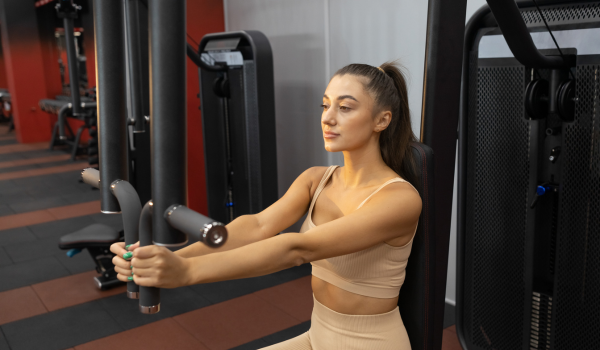
Hamstring curls can be performed using several different variations, including seated machines, lying leg curl machines, resistance bands, Swiss balls, or even a light dumbbell held between the feet.
Regardless of the equipment used, the movement pattern remains the same: bend the knees and bring the heels toward the glutes.
How To Perform A Basic Hamstring Curl
- Begin in a seated or lying position.
- Keep your hips stable throughout the movement.
- Bend your knees and slowly bring your heels toward your glutes.
- Pause briefly at the top.
- Lower your legs under control.
- Repeat for the desired number of repetitions.
Important Tip
Focus on bending the knees rather than using momentum. Start with lighter resistance and prioritize control throughout the exercise.
Romanian Deadlifts
Romanian deadlifts focus on hip hinging rather than knee bending. The goal is to stretch and strengthen the hamstrings while maintaining a neutral spine.
You can perform Romanian deadlifts using a barbell, dumbbells, or kettlebells.
How To Perform A Romanian Deadlift
- Stand with your feet hip-width apart.
- Hold the weight in front of your thighs.
- Brace your core and keep your back straight.
- Maintain a slight bend in your knees.
- Push your hips backward as you lower the weight toward knee level.
- Keep the weights close to your legs throughout the movement.
- Drive through your heels and squeeze your glutes to return to standing.
- Repeat for the desired number of repetitions.
Important Tip
Avoid turning the movement into a squat by bending the knees too much. The emphasis should remain on the hamstrings and hips.
How Many Sets And Repetitions Should You Do?
For most individuals, four sets of eight to ten repetitions is an excellent starting point for either exercise.
Once the weight becomes manageable within that range while maintaining proper form, gradually increase the resistance and work back toward eight repetitions.
Recommended Training Range
- Sets: 4
- Repetitions: 8–10
- Rest: 60–90 seconds between sets
Progressive overload—gradually increasing weight or repetitions over time—is key to continued strength development.
Which Exercise Is Best For You?
The right choice depends largely on your training experience and physical condition.
Beginners
Hamstring curls are often the best starting point because they are easy to learn and place less technical demand on the body.
Intermediate And Advanced Lifters
Romanian deadlifts offer greater strength-building potential due to the ability to handle heavier loads and train multiple muscle groups simultaneously.
People With Knee Issues
Hamstring curls may aggravate certain knee conditions or previous surgical sites. Consult a healthcare professional or trainer if discomfort occurs.
People With Lower Back Pain
Romanian deadlifts require proper spinal positioning and may worsen existing back problems if performed incorrectly.
How To Learn Romanian Deadlifts Safely
Before adding weight, practice the hip hinge movement pattern using bodyweight only.
One simple method is to stand upright and push the hips backward while maintaining a flat back and neutral spine. Once this movement feels comfortable, gradually introduce light dumbbells or kettlebells.
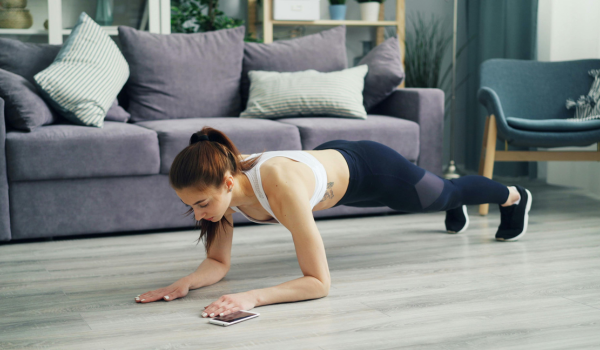
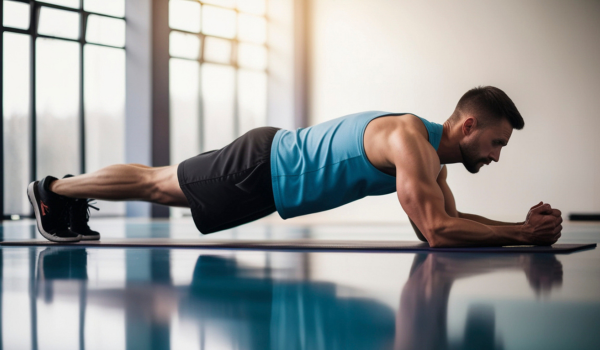
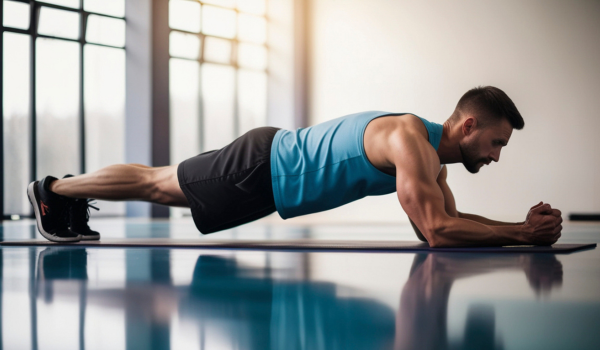
Adequate core strength is also important. Being able to hold a proper plank for 30 seconds without pain is often a good indicator that your core is ready to support Romanian deadlift training.
The Bottom Line
Hamstring curls and Romanian deadlifts are both highly effective exercises for strengthening the hamstrings, improving lower-body performance, and reducing injury risk.
Hamstring curls are beginner-friendly and excellent for isolating the hamstrings, while Romanian deadlifts allow greater strength development through heavier loading and full-body involvement.
Rather than choosing one over the other, combining both exercises can create a more balanced and effective training program. Together, they help develop stronger, healthier, and more resilient hamstrings that support everyday movement and athletic performance.

.png)

.png)

.png)

.png)


.png)
.png)