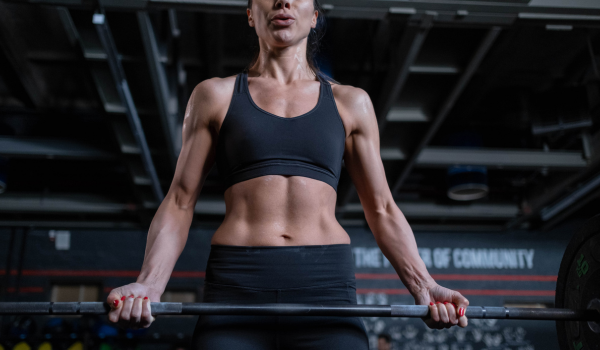
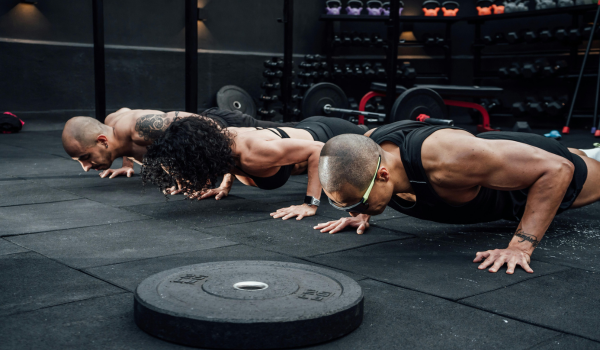
Push-ups are one of the most effective bodyweight exercises for building upper-body and core strength. They have recently gained even more attention through viral fitness challenges on social media, inspiring many people to add them to their workout routines.
While advanced challenges like completing 100 push-ups in just a few minutes are not suitable for most people, fitness professionals agree that push-ups offer tremendous health and strength benefits. Even better, you don't have to perform a standard push-up to enjoy those benefits. With the right modifications, almost anyone can safely include push-ups in their fitness routine.
Why Push-Ups Are So Effective
Many people think push-ups only strengthen the arms, but they actually engage multiple muscle groups at the same time. Because push-ups require your entire body to work together, they are considered one of the best functional bodyweight exercises.
During a proper push-up, your body activates:
- Chest muscles
- Shoulders
- Triceps
- Core muscles
- Back muscles
- Legs and glutes
This full-body engagement helps improve muscular strength, balance, posture, and stability while requiring no equipment.
Why They Feel Difficult
Push-ups can be challenging because they demand significant upper-body strength, core stability, and wrist mobility. Many beginners struggle to maintain proper form, causing their hips to sag or shoulders to collapse.
Fortunately, modifying the exercise allows you to build strength gradually without sacrificing effectiveness.
Who Should Modify Push-Ups?
Not everyone should begin with a traditional floor push-up.
People who may benefit from modified versions include:
- Beginners with limited upper-body strength
- Older adults
- Individuals returning to exercise after a break
- People recovering from minor injuries (after medical clearance)
- Anyone with reduced wrist or shoulder mobility
When To Speak With A Doctor
If you have chronic shoulder pain, elbow problems, back injuries, or other medical conditions that affect movement, consult your healthcare provider or physical therapist before starting a new exercise program.
The Best Push-Up Modification For Beginners
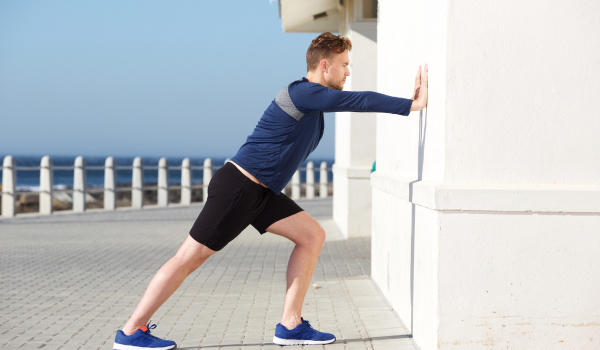
Fitness experts consistently recommend the wall push-up as the safest and most effective starting point.
A wall push-up works the same major muscle groups as a standard push-up but places much less stress on your joints and muscles because your body remains in a more upright position.
This makes it ideal for learning proper technique while gradually building strength and confidence.
How To Perform A Wall Push-Up
Follow these simple steps:
- Stand facing a wall.
- Place your palms on the wall slightly wider than shoulder-width apart.
- Keep your body in a straight line from head to heels.
- Bend your elbows slowly as you lower your chest toward the wall.
- Stop when your chest is close to the wall.
- Push yourself back to the starting position.
- Keep your core engaged throughout the movement and avoid arching your back.
Adjust The Difficulty
The position of your feet changes the intensity.
- Feet closer to the wall make the exercise easier.
- Feet farther away increase the challenge.
As you become stronger, gradually move your feet farther from the wall to continue progressing.
Progressing Beyond Wall Push-Ups
Once wall push-ups become comfortable, you can move on to more challenging variations.
Incline Push-Up
Place your hands on a sturdy elevated surface such as:
- Kitchen countertop
- Weight bench
- Heavy chair
- Couch back
Perform the same movement as a wall push-up.
The lower the surface, the more difficult the exercise becomes because your body moves closer to a horizontal position.
Knee Push-Up
After mastering incline push-ups, try knee push-ups.
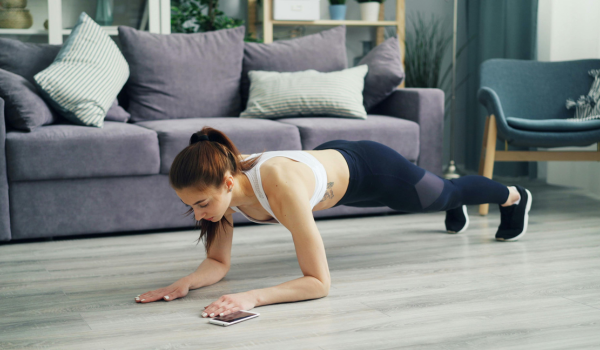
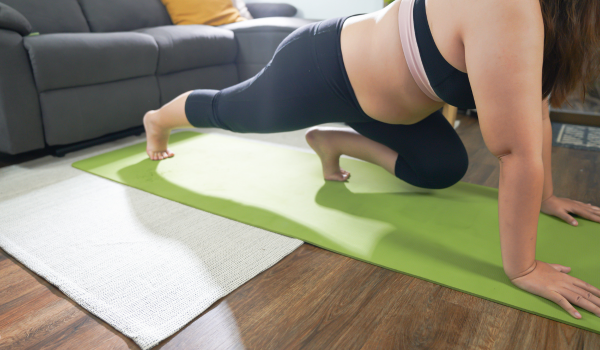
Start in a plank position with your knees resting on the floor. Keep your body aligned from your knees to your shoulders, engage your core, lower your chest toward the floor, and then press back up.
This variation closely resembles a standard push-up while reducing the amount of body weight you need to lift.
Tips For Better Push-Up Form
Good technique is more important than completing a high number of repetitions.
Keep Your Body Straight
Avoid letting your hips sag or rise too high. Your head, shoulders, hips, and knees (or feet) should stay aligned.
Engage Your Core
Tightening your abdominal muscles helps stabilize your spine throughout the movement.
Control Every Repetition
Lower yourself slowly and push up with control instead of rushing through the exercise.
Breathe Properly
Inhale as you lower your body and exhale as you push yourself back up.
Common Push-Up Mistakes
Even modified push-ups can become less effective if performed incorrectly.
Watch out for these common errors:
- Elbows flaring too far outward
- Holding your breath
- Dropping your hips
- Looking down excessively
- Moving too quickly
- Performing partial repetitions instead of using a full range of motion
Correcting these habits can improve both safety and results.
Final Thoughts
Push-ups remain one of the most effective bodyweight exercises because they strengthen multiple muscle groups at once while improving stability and functional fitness.
If traditional push-ups feel too difficult, there's no reason to give up. Starting with wall push-ups and gradually progressing to incline and knee push-ups allows almost anyone to build strength safely and confidently.
Remember, fitness is about consistent progress—not perfection. Whether you're 20 or 90 years old, choosing the right push-up variation can help you develop strength, improve mobility, and move toward your fitness goals.


.png)



.png)





.png)


.png)



.png)

.png)