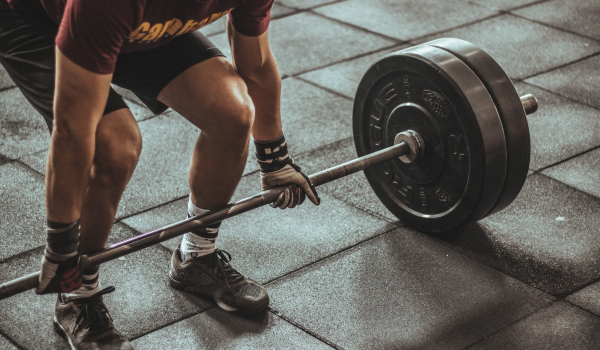
Strength training is one of the most effective ways to maintain muscle, support bone health, and preserve independence as you age. But for many people, lifting weights can feel repetitive, slow, and difficult to enjoy.
The good news is that strength training does not have to feel monotonous. Small changes to your routine can make workouts more engaging and easier to maintain over time.
The key is to make exercise feel rewarding enough that it becomes a regular habit rather than something you have to force yourself to do.
Pair Your Workout With Something You Enjoy
One simple strategy is to combine strength training with an activity you already like.
This approach is sometimes called temptation bundling, where you pair a less enjoyable habit with something you look forward to.
Try A Special Workout Playlist
Create a playlist that you only listen to while strength training.
Choose upbeat songs that make you feel energized and motivated. Over time, hearing that music may help your brain associate lifting with something enjoyable.
Listen To Audiobooks Or Podcasts
If music is not your thing, try listening to an audiobook or podcast while you train.
Pick something interesting enough that you want to keep coming back to it. A suspenseful story, entertaining interview, or educational series can make rest periods feel much shorter.
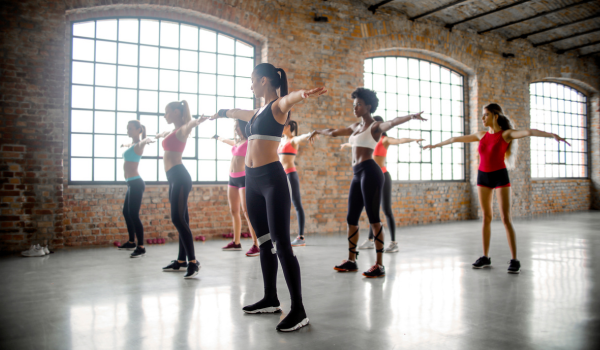
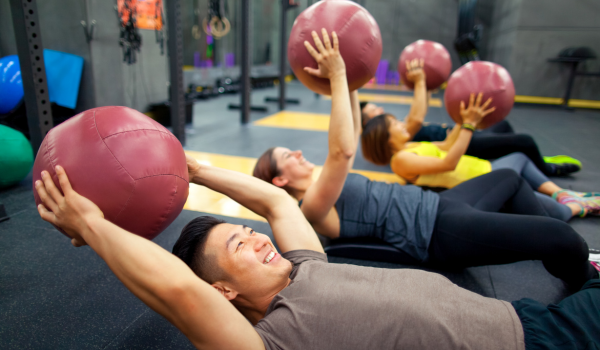
Join A Group Strength Training Class
Working out with other people can make strength training feel more social and enjoyable.
Group classes can also provide accountability because you are more likely to show up when others expect you to be there.
Benefits Of Group Training
Group workouts may help you:
- Meet new people
- Stay consistent
- Learn new exercises
- Get feedback on technique
- Feel more motivated
- Make workouts feel less repetitive
A regular class can also give your week more structure.
Keep Changing Your Routine
Doing the exact same exercises with the same weights every week can quickly become boring.
Your body also needs new challenges to continue becoming stronger.
Ways To Add Variety
Try changing:
- Exercise selection
- Number of repetitions
- Number of sets
- Weight used
- Rest periods
- Exercise order
- Equipment
For example, you might replace dumbbell squats with goblet squats or switch from machine rows to resistance band rows.
Small changes can make a familiar workout feel completely different.
Use Progressive Overload
Progressive overload means gradually increasing the challenge placed on your muscles over time.
Instead of lifting the same weight indefinitely, you slowly increase resistance as your body becomes stronger.
Ways To Progress
You can:
- Lift slightly heavier weights
- Complete more repetitions
- Add another set
- Slow down each repetition
- Increase your range of motion
- Reduce rest time slightly
- Try a more challenging exercise variation
Progression gives you something measurable to work toward, which can make training more motivating.
Set Small Strength Goals
Having a clear goal can make workouts feel more purposeful.
Instead of exercising simply because you think you should, choose a specific milestone.
Examples Include
- Completing 10 full push-ups
- Increasing your squat weight
- Holding a plank for 60 seconds
- Performing your first pull-up
- Deadlifting a certain weight
- Training consistently twice per week
Tracking progress can make small improvements feel rewarding.
Turn Your Workout Into A Challenge
You can make strength training more interesting by introducing simple challenges.
For example:
Rep Challenge
Choose an exercise and gradually increase your repetitions over several weeks.
Consistency Challenge
Commit to completing two strength sessions every week for one month.
Personal Record Challenge
Track your best performance and try to improve it gradually.
The goal is not to compete with other people. Competing with your previous performance can provide enough motivation.
Try Circuit Training
Traditional strength training often includes long rest periods between sets.
Circuit training changes the pace by moving through several exercises with shorter breaks.
For example:
- 10 squats
- 10 push-ups
- 10 dumbbell rows
- 10 lunges
- 30-second plank
Rest briefly and repeat the circuit.
This style can make workouts feel faster and more dynamic while still challenging your muscles.
Train With A Friend
Having a workout partner can make exercise more enjoyable and provide extra accountability.
You can:
- Encourage each other
- Track progress together
- Alternate exercises
- Share workout ideas
- Celebrate personal records
A training partner can also make rest periods feel more social instead of boring.
Change Your Workout Environment
Strength training does not always have to happen inside a gym.
Many exercises can be performed outdoors or in different locations.
Outdoor Options
Try:
- Resistance bands at a park
- Bodyweight workouts outside
- Dumbbell exercises in your backyard
- Strength circuits during a walk
Changing scenery can make familiar exercises feel more enjoyable.
Keep Workouts Short
Long workouts are not necessary for building strength.
If you find yourself getting bored after 20 or 30 minutes, design a shorter routine.
A focused session containing four or five exercises may still provide meaningful benefits.
Example Short Workout
- Squats
- Push-ups
- Dumbbell rows
- Lunges
- Plank
Complete two or three sets of each movement.
A workout that you consistently complete is more valuable than an elaborate routine you frequently skip.
Track Your Progress
Seeing evidence that you are getting stronger can be extremely motivating.
Keep a simple record of:
- Weight lifted
- Repetitions
- Sets
- Exercise variations
- Workout frequency
Over several weeks, you may notice that weights that once felt difficult are becoming easier.
This visible progress can help turn exercise into something you look forward to.
Focus On How Strength Makes You Feel
Strength training offers benefits that extend far beyond appearance.
As you become stronger, everyday activities may start to feel easier.
You might notice improvements when:
- Carrying groceries
- Moving furniture
- Climbing stairs
- Playing with family
- Traveling
- Doing household chores
Recognizing these real-life benefits can make strength training feel much more meaningful.
Give Yourself A Reward
Small rewards can help reinforce a new exercise habit.
After completing a planned workout, you might allow yourself to:
- Watch a favorite show
- Enjoy a relaxing bath
- Spend time on a hobby
- Have a favorite healthy snack
- Listen to the next chapter of an audiobook
The reward does not need to be expensive or complicated. It simply needs to make completing the workout feel worthwhile.
Build A Routine You Actually Like
There is no single correct way to strength train.
Some people enjoy traditional gym workouts, while others prefer:
- Group classes
- Bodyweight training
- Kettlebell workouts
- Resistance bands
- Circuit training
- Home workouts
Experiment until you find a style that feels sustainable.
Enjoyment matters because you are more likely to stick with a routine you genuinely like.
Final Thoughts
Strength training may feel repetitive at first, but it becomes much easier to maintain when you make it more enjoyable and personally rewarding.
Listening to music or audiobooks, training with friends, joining a group class, setting measurable goals, and gradually increasing the challenge can make workouts feel more engaging.
Most importantly, strength training becomes more motivating when you notice what it allows you to do outside the gym. Feeling stronger, moving more easily, and maintaining independence can be powerful reasons to keep going.

.png)



.png)




.png)


.png)



.png)

.png)