
Anaerobic exercise includes short, intense activities that require your muscles to produce a large amount of energy quickly. Common examples include sprinting, weightlifting, jumping exercises, and high-intensity interval training.
Unlike steady aerobic exercise, anaerobic activity cannot be sustained for long periods. It relies mainly on stored glucose in the muscles rather than oxygen as its immediate fuel source.
Adding anaerobic exercise to your routine may help build muscle, increase strength, improve fitness, support blood sugar control, and benefit heart health.
What Is Anaerobic Exercise?
The term “anaerobic” means “without oxygen.”
This does not mean your body stops using oxygen during the activity. Instead, it means the muscles need energy faster than oxygen-based energy systems can provide it.
To meet this demand, the body breaks down stored glucose for rapid fuel.
Anaerobic exercise is usually:
- High in intensity
- Short in duration
- Physically demanding
- Followed by a recovery period
Most anaerobic efforts last from several seconds to a few minutes.
Anaerobic Vs. Aerobic Exercise
Aerobic exercise means “with oxygen.”
During aerobic activity, the body uses oxygen to produce energy for continuous movement. These exercises can generally be maintained for longer periods.
Examples of aerobic exercise include:
- Brisk walking
- Jogging
- Swimming
- Cycling
- Dancing
Anaerobic exercise is usually shorter and more intense.
Examples include:
- Sprinting
- Heavy weightlifting
- High-intensity interval training
- Plyometric jumps
- Short uphill runs
How The Body Produces Energy
The body uses different energy systems depending on how hard and how long you exercise.
During lower-intensity activity, oxygen helps convert carbohydrates and fats into usable energy.
During intense anaerobic activity, energy is needed immediately. The muscles therefore rely more heavily on glucose that is already stored in the body.
Anaerobic Glycolysis
This process quickly breaks glucose down to produce energy.
A byproduct of this pathway is lactate. Other chemical changes associated with intense exercise contribute to the familiar burning sensation and muscle fatigue that may occur during a difficult set or sprint.
Once the activity stops or becomes easier, the body begins recovering and restoring its energy stores.
Key Differences Between Aerobic And Anaerobic Exercise
| Feature | Aerobic Exercise | Anaerobic Exercise |
|---|---|---|
| Primary Intensity | Low to moderate | Moderate to very high |
| Typical Duration | Several minutes or longer | Seconds to a few minutes |
| Main Energy System | Relies heavily on oxygen | Relies heavily on stored glucose |
| Common Examples | Walking, swimming, cycling | Sprinting, lifting, jumping |
| Main Fitness Benefit | Endurance | Strength and power |
| Muscle Growth | Limited | Significant potential |
| Recovery Needs | Usually lower | Usually higher |
Both forms of exercise are valuable and work best when included together.
Types Of Anaerobic Exercise
Many activities can become anaerobic when they require a short burst of near-maximal effort.
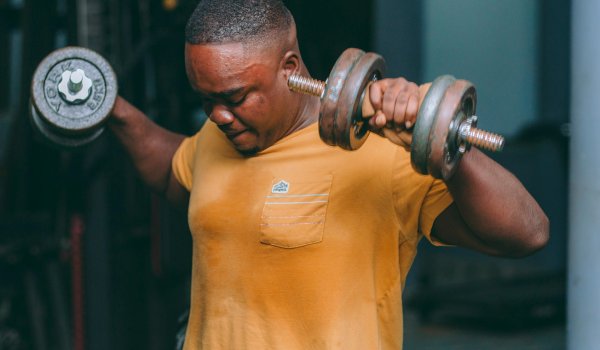
Weightlifting
Weightlifting is a form of resistance training that uses external weight to challenge the muscles.
Resistance can come from:
- Dumbbells
- Barbells
- Kettlebells
- Weight machines
- Resistance bands
- Body weight
An exercise does not need to involve extremely heavy weights to be anaerobic. What matters is that the muscles perform a demanding effort over a relatively short period.
Examples Include
- Squats
- Deadlifts
- Bench presses
- Rows
- Overhead presses
- Lunges
Weightlifting creates small amounts of controlled muscle stress. With adequate recovery and nutrition, the muscles adapt by becoming stronger and sometimes larger.
High-Intensity Interval Training
High-intensity interval training, or HIIT, alternates brief periods of hard exercise with periods of rest or light movement.
A typical session may include:
- 20–60 seconds of intense work
- A recovery period of equal or greater length
- Several repeated rounds
Examples of HIIT movements include:
- Fast cycling
- Sprint intervals
- Burpees
- Mountain climbers
- Jump squats
- Rowing intervals
HIIT can improve both cardiovascular fitness and muscular endurance in a relatively short workout.
Because it is demanding, beginners should start gradually and use longer recovery periods.
Sprinting
Sprinting requires near-maximal speed for a short distance or period of time.
It heavily engages the legs, hips, core, and cardiovascular system.
Possible Sprint Options
- Track sprints
- Hill sprints
- Stationary bike sprints
- Rowing sprints
- Swimming sprints
Sprinting can improve speed, power, and exercise capacity, but proper warm-ups and recovery are important.
Plyometric Exercise
Plyometrics involve explosive movements designed to increase power.
Examples include:
- Box jumps
- Jump squats
- Broad jumps
- Skater jumps
- Medicine ball throws
These exercises require coordination, strength, and joint stability. Beginners may need to develop basic strength before attempting more advanced jumping exercises.
Builds Muscle Strength
One of the main benefits of anaerobic exercise is its ability to increase muscular strength.
Resistance training challenges the muscles to work against force. Over time, the body adapts to this demand.
Greater strength can make daily tasks easier, including:
- Carrying groceries
- Lifting objects
- Climbing stairs
- Standing from a chair
- Participating in sports
Strength becomes especially important for maintaining physical independence with age.
Supports Muscle Growth
Anaerobic exercise is more effective for muscle growth than most steady-state aerobic activities.
Resistance exercise creates a stimulus that encourages muscle fibers to repair and adapt.
Muscle growth also depends on:
- Adequate protein intake
- Enough total calories
- Progressive training
- Quality sleep
- Recovery between workouts
Results generally develop gradually with consistent practice.
Increases Power
Power refers to the ability to produce force quickly.
Exercises such as sprinting, jumping, and explosive lifting can improve power.
This may benefit:
- Athletic performance
- Reaction speed
- Balance
- Quick changes in direction
- Ability to prevent a fall
Power naturally decreases with age, making safe power training potentially valuable for older adults under appropriate supervision.
Improves Fitness Capacity
Anaerobic exercise may feel extremely difficult when you first begin.
With repeated training, your muscles and energy systems become more efficient.
You may gradually be able to:
- Lift heavier weights
- Complete more repetitions
- Sprint faster
- Exercise longer
- Recover more quickly
- Use shorter rest periods
This progression is a sign that your physical capacity is improving.
Supports Heart Health
Anaerobic exercise is not usually considered traditional cardio, but it can still benefit cardiovascular health.
Regular resistance and interval training may help improve:
- Blood pressure
- Circulation
- Cholesterol levels
- Body composition
- Overall cardiovascular fitness
The greatest benefits often occur when anaerobic exercise is combined with regular aerobic activity.
Helps Manage Blood Sugar
Anaerobic exercise may improve the way the body uses glucose.
Muscle cells require glucose for energy, and increasing muscle mass gives the body more tissue capable of absorbing and storing it.
Potential Benefits Include
- Improved insulin sensitivity
- Better glucose tolerance
- More stable blood sugar
- Reduced insulin resistance
These effects may be helpful for people at risk of prediabetes or type 2 diabetes.
Anyone taking blood sugar-lowering medication should discuss major exercise changes with a healthcare professional.
Supports Weight Management
Anaerobic exercise burns calories during the workout and may also support energy use after exercise as the body recovers.
Building muscle can also contribute to daily energy expenditure.
However, strength training does not automatically cause weight loss. Long-term weight management also depends on nutrition, sleep, stress, activity levels, and overall health.
May Improve Body Composition
Body composition describes the proportions of muscle, fat, bone, water, and other tissues in the body.
Anaerobic exercise may help:
- Increase lean muscle
- Reduce body fat
- Maintain muscle during weight loss
- Improve physical appearance and function
Body composition improvements can occur even when body weight changes very little.
May Improve Mood
Like other forms of exercise, anaerobic activity can support mental well-being.
It may help:
- Reduce stress
- Improve confidence
- Support better sleep
- Increase feelings of accomplishment
- Ease symptoms of anxiety or low mood
Exercise should complement, rather than replace, professional mental health treatment when it is needed.
How Often Should You Do Anaerobic Exercise?
Most adults can benefit from resistance training at least two days per week.
Beginners may need more recovery between demanding workouts.
A simple weekly routine could include:
- Two full-body strength sessions
- One short interval workout
- Several days of moderate aerobic exercise
- At least one recovery day
Avoid training the same muscle groups intensely on consecutive days.
How To Start Safely
Anaerobic exercise places significant stress on the muscles, joints, and cardiovascular system.
Start With A Warm-Up
Spend five to ten minutes doing light movement and dynamic mobility exercises.
Learn Proper Technique
Use manageable resistance and prioritize correct form before increasing weight or speed.
Build Gradually
Increase only one training factor at a time, such as weight, repetitions, duration, or intensity.
Allow Recovery
Rest between intense sets and schedule recovery days between demanding sessions.
Listen To Your Body
Stop exercising if you experience sharp pain, severe dizziness, chest pain, or unusual breathing difficulty.
Who Should Be Cautious?
Speak with a healthcare provider before starting intense anaerobic exercise if you have:
- Heart disease
- Uncontrolled high blood pressure
- Significant joint problems
- Osteoporosis
- A recent injury or surgery
- Diabetes with frequent blood sugar changes
- A long period of physical inactivity
A qualified trainer or physical therapist can help modify exercises according to your needs.
Final Thoughts
Anaerobic exercise involves short, intense efforts that rely heavily on stored glucose for rapid energy. Weightlifting, sprinting, HIIT, and plyometric exercise are common examples.
These activities can build muscle, improve strength and power, support heart health, enhance blood sugar control, and improve overall fitness.
For the most complete health benefits, combine anaerobic training with aerobic exercise, flexibility work, balanced nutrition, and adequate recovery.


.png)




.png)






.png)



.png)





.png)

.png)