Good posture helps your body move more efficiently, reduces unnecessary strain on muscles and joints, and may lower the risk of neck, shoulder, and back pain.
Improving posture is not simply about forcing yourself to sit up straight. Strong core muscles, healthy bones, regular movement, proper desk setup, and mindful exercise all play a role.
Here are seven effective ways to support better posture and overall musculoskeletal health.
1. Do A Plank
Planks are one of the most effective exercises for strengthening the core, which includes muscles around the abdomen, back, hips, and pelvis.
A strong core helps stabilize the spine and makes it easier to maintain proper posture throughout the day.
How To Do A Basic Plank
- Lie face down with your legs extended.
- Place your elbows directly under your shoulders.
- Keep your forearms on the floor.
- Tuck your toes under.
- Tighten your abdominal muscles.
- Lift your body so it forms a straight line from your shoulders to your heels.
- Hold the position for 30–60 seconds if you can maintain good form.
Watch Your Form
Avoid allowing your hips to drop toward the floor or rise too high.
Your head, shoulders, hips, knees, and ankles should stay aligned as much as possible.
Beginners can start with shorter holds or perform a plank with their knees on the floor.
2. Sit With Better Alignment
Long periods of sitting can place significant stress on the neck, shoulders, and lower back, particularly when you lean forward or slouch.
Your sitting position matters, but so does how frequently you move.
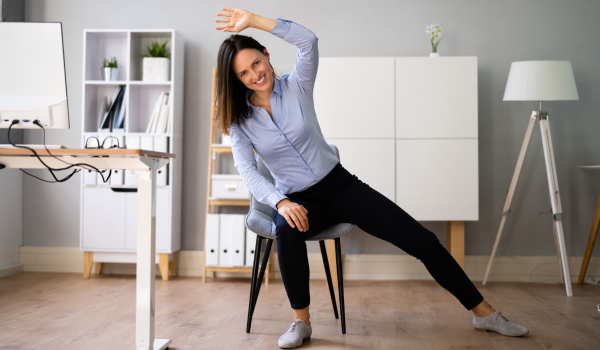
Set Up Your Desk Properly
Try to position your workstation so that:
- Your monitor is close to eye level.
- Your shoulders remain relaxed.
- Your elbows stay comfortably near your sides.
- Your feet rest flat on the floor.
- Your knees are approximately level with your hips.
- Your lower back receives adequate support.
If your feet cannot comfortably reach the floor, use a footrest or another stable surface.
Avoid Staying Still Too Long
Even perfect sitting posture can become uncomfortable if maintained for hours.
Stand, stretch, or walk briefly throughout the day.
3. Strengthen Your Core
Your core does much more than create abdominal definition. These muscles stabilize the trunk and spine whenever you sit, stand, walk, bend, lift, or exercise.
Weak core muscles may make it harder to maintain proper alignment for long periods.
Core Exercises To Try
Useful exercises include:
- Planks
- Side planks
- Bird dogs
- Dead bugs
- Glute bridges
- Wall sits
Isometric exercises, which involve contracting muscles without significant joint movement, can be especially useful for improving stability.
Remember Your Pelvic Floor
The pelvic floor forms part of the core system.
These muscles help support the pelvic organs and contribute to trunk stability, bladder control, and bowel function.
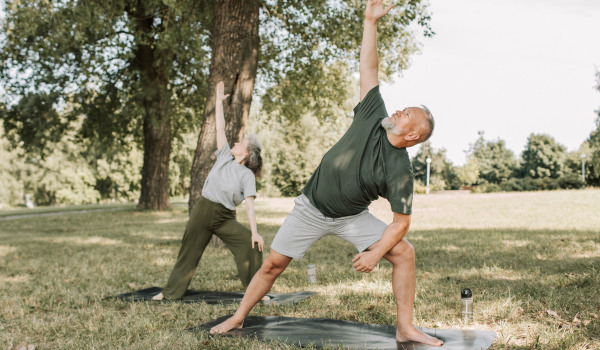
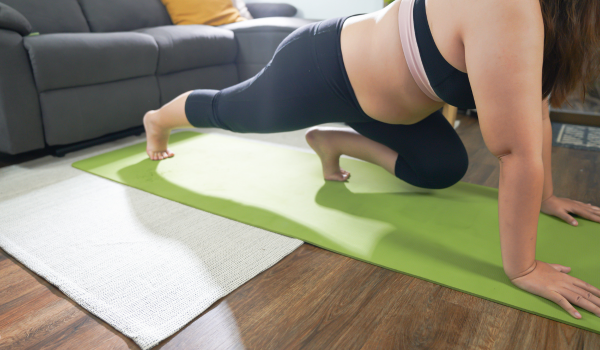
4. Try Yoga Or Pilates
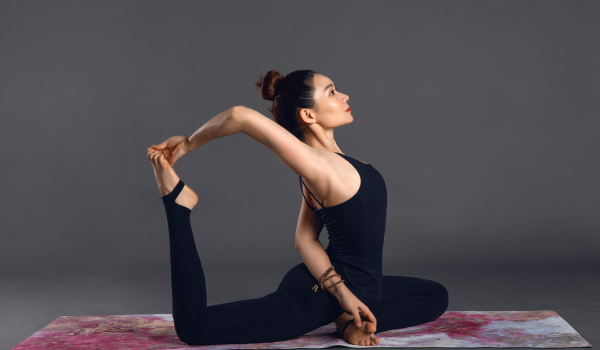
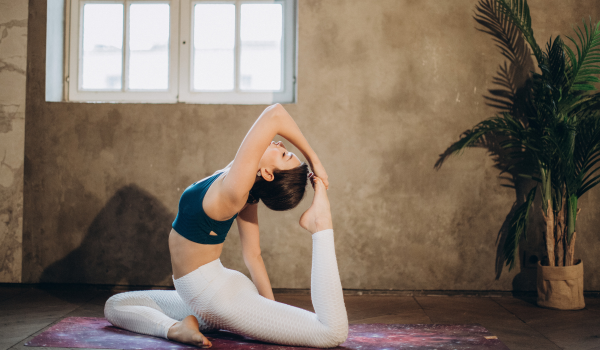
Yoga and Pilates combine strength, flexibility, balance, and body awareness, making them useful for improving posture.
Both encourage you to pay attention to spinal alignment and controlled movement rather than simply completing repetitions.
Helpful Yoga Movements
Postures that may support core stability and alignment include:
- Low plank
- Warrior poses
- Tree pose
- Cat-cow
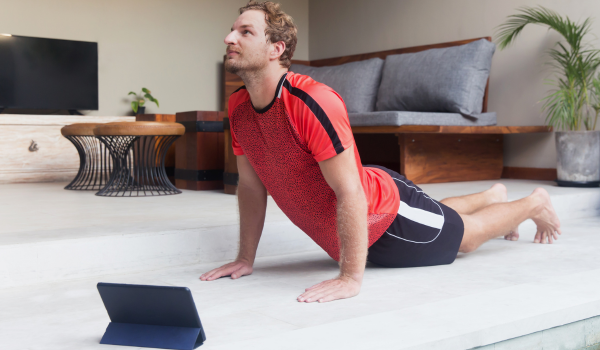
- Cobra or upward-facing dog
Pilates movements can also strengthen the deep abdominal and back muscles responsible for stabilizing the spine.
Start Gradually
Do not force your body into positions that cause pain.
Mobility and flexibility improve over time with consistent practice.
5. Support Your Spine
Good posture depends on muscles throughout the back, neck, hips, and abdomen working together.
Muscle weakness can make it difficult to keep the spine properly supported, particularly later in life.
Important Muscle Groups
Exercises that strengthen the following areas may help:
- Back extensors
- Neck flexors
- Obliques
- Pelvic stabilizers
- Glutes
- Deep abdominal muscles
Exercises To Try
Supermans and controlled back extensions may strengthen muscles that help keep the torso upright.
Rows can strengthen the upper back and shoulders, while glute exercises help stabilize the pelvis.
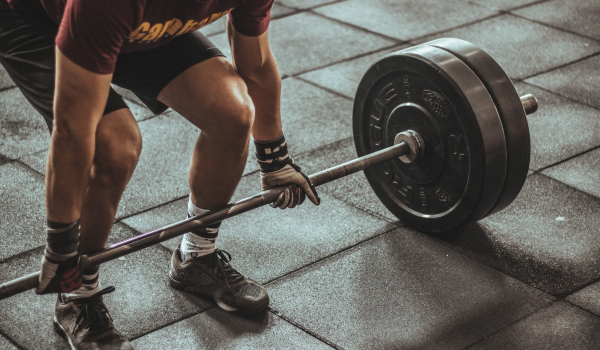
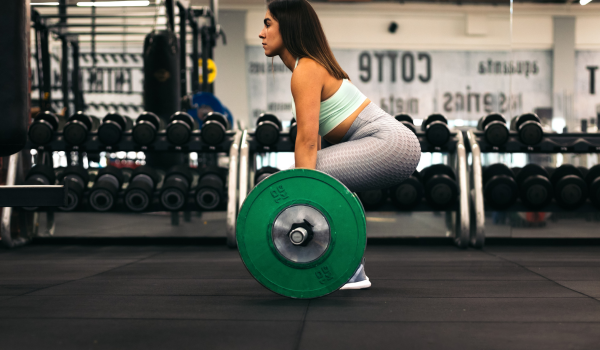
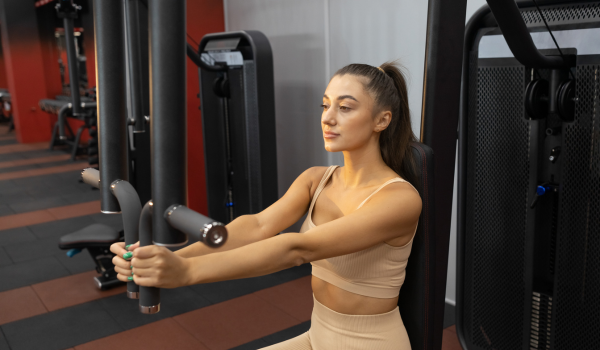
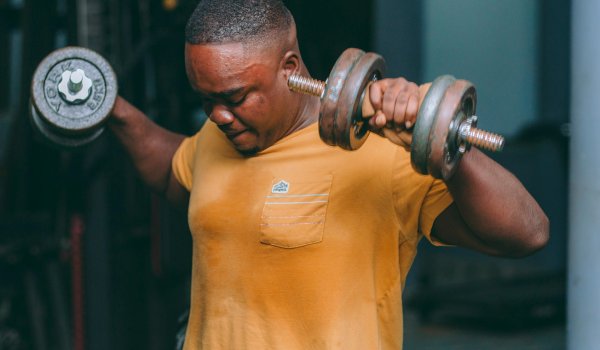
6. Lift Weights
Strength training can support both posture and bone health.
Weight-bearing and resistance exercises stimulate muscles and bones, which becomes particularly important as bone density naturally declines with age.
Osteoporosis can weaken the vertebrae and increase the risk of compression fractures, which may contribute to a more rounded upper back.
Good Strength Exercises
Depending on your fitness level, useful movements may include:
- Squats
- Lunges
- Rows
- Deadlifts
- Overhead presses
- Resistance band exercises
- Farmer's carries
Walking, climbing stairs, and other weight-bearing activities can also support bone strength.
Focus On Technique
Start with manageable resistance and prioritize proper form before increasing the amount of weight.
7. Get Enough Calcium And Vitamin D
Strong posture also depends on having healthy bones.
Calcium and vitamin D are essential nutrients for maintaining bone strength and reducing osteoporosis risk.
Calcium Needs
Most adults need about 1,000 milligrams of calcium per day.
Women age 51 and older generally need about 1,200 milligrams per day.
Vitamin D Needs
Most adults need about 600 IU of vitamin D per day.
Adults over age 70 generally need about 800 IU daily.
Individual requirements may differ depending on health status and other factors.
Calcium-Rich Foods
Good sources include:
- Milk
- Yogurt
- Cheese
- Fortified plant milk
- Kale
- Bok choy
- Broccoli
- Sardines
- Canned salmon with bones
- Almonds
- Sesame seeds
- Tahini
Vitamin D Sources
Useful sources include:
- Fatty fish
- Fortified milk
- Fortified plant beverages
- Egg yolks
- UV-exposed mushrooms
Speak with a healthcare provider before starting high-dose calcium or vitamin D supplements.
Move More Throughout The Day
Posture is dynamic, not static.
The goal is not to find one perfect position and remain there all day. Your body is designed to move.
Simple Movement Habits
Try to:
- Stand up regularly.
- Walk during breaks.
- Stretch your chest and shoulders.
- Change sitting positions.
- Alternate between sitting and standing when possible.
Frequent movement can reduce stiffness and muscle fatigue caused by remaining in one position too long.
Watch For Text Neck
Looking down at a phone or tablet for extended periods places extra strain on the neck.
The farther your head moves forward, the more work your neck muscles must do to support it.
Better Phone Posture
Bring your device closer to eye level instead of repeatedly bending your neck downward.
Take regular breaks and gently move your neck and shoulders.
Lift Objects Properly
Poor lifting technique can strain the lower back and reinforce unhealthy movement patterns.
Safer Lifting
When picking something up:
- Keep the object close to your body.
- Bend through your hips and knees.
- Keep your spine relatively neutral.
- Push through your legs as you stand.
- Avoid twisting while carrying a heavy object.
For very heavy items, ask for assistance rather than forcing the lift.
Wear Supportive Shoes
Footwear influences how your body distributes weight while standing and walking.
Shoes that provide adequate support and fit correctly can help maintain more comfortable alignment through the ankles, knees, hips, and spine.
Frequently wearing poorly fitting shoes or very high heels may contribute to discomfort for some people.
Sleep In A Supportive Position
Sleep posture can also influence neck and back comfort.
Choose a pillow that keeps your neck relatively aligned with your spine.
Side sleepers may benefit from placing a pillow between the knees, while back sleepers may find a pillow beneath the knees more comfortable.
Your mattress should provide enough support without forcing the body into an uncomfortable position.
When To See A Healthcare Provider
Poor posture does not always require medical treatment, but persistent pain or significant changes in spinal alignment should be evaluated.
Seek Medical Advice If You Experience
- Persistent back or neck pain
- Numbness or tingling
- Muscle weakness
- Significant loss of height
- A rapidly developing rounded upper back
- Pain after a fall or injury
- Difficulty standing upright
A physician or physical therapist can assess your posture, mobility, muscle strength, and spine health and recommend appropriate treatment.
Final Thoughts
Improving posture requires more than reminding yourself to sit straight.
Strengthening your core, lifting weights, practicing yoga or Pilates, supporting bone health, improving your workstation, and moving regularly throughout the day can all contribute to better alignment.
The most effective approach is to build small habits that you can maintain consistently. Over time, stronger muscles, healthier bones, and better movement awareness can make good posture feel increasingly natural.

.png)



.png)




.png)



.png)



.png)

.png)