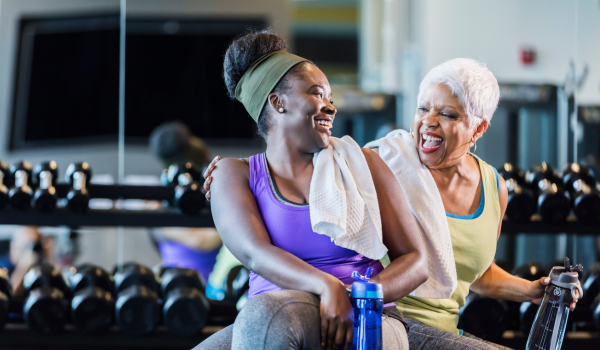
Regular physical activity is widely known to benefit the heart, muscles, and overall health, but it may also play an important role in protecting the brain.
Recent research suggests that exercise can improve memory, attention, reasoning, and general cognitive function across different age groups. The benefits do not appear to require extremely intense workouts. In fact, light- and moderate-intensity activities may be especially helpful for certain areas of brain function.
Among the activities studied, yoga, Tai Chi, and physically active video games appeared to offer particularly strong cognitive benefits.
How Exercise Supports Brain Function
Exercise affects the brain in several ways.
Physical activity increases blood flow, supports the delivery of oxygen and nutrients, and may encourage biological processes involved in learning, memory, and brain cell health.
Regular movement may also help reduce inflammation and stress, both of which can negatively affect cognitive function over time.
Researchers have found that exercise may support:
- General cognition
- Memory
- Attention
- Problem-solving
- Planning
- Reasoning
- Emotional regulation
These benefits may be relevant for children, teenagers, adults, and older people.
What The Research Found
Researchers reviewed findings from more than 130 previous reviews involving over 250,000 participants.
The analysis found consistent evidence that physical activity was associated with improvements in general cognition, memory, and executive function.
Executive function refers to mental skills used for tasks such as:
- Making decisions
- Planning
- Solving problems
- Controlling attention
- Organizing information
The benefits appeared across all age groups, although some effects were especially noticeable among children, adolescents, and people with attention-deficit/hyperactivity disorder.
Does Exercise Intensity Matter?
More intense exercise is not always better for brain health.
The research suggested that low- and moderate-intensity activities may offer slightly greater cognitive benefits than vigorous exercise in some situations.
Moderate-Intensity Exercise
Moderate activity appeared to be particularly helpful for memory and executive function.
Examples may include:
- Brisk walking
- Recreational cycling
- Gentle swimming
- Dancing
- Active yoga
Low-Intensity Exercise
Light activity was strongly associated with improvements in general cognition.
Examples may include:
- Slow walking
- Stretching
- Beginner yoga
- Gentle Tai Chi
- Light household movement
This means that people do not necessarily need exhausting workouts to support brain health.
How Long Does It Take To See Benefits?
Even relatively short exercise programs may support cognitive function.
The review found benefits from routines lasting between one and three months, particularly for general cognition.
Longer periods of regular exercise may provide additional support for memory, executive function, and overall brain health.
Consistency Matters Most
The best routine is usually one that can be maintained over time. A manageable activity performed regularly may be more beneficial than an intense program that is quickly abandoned.
1. Yoga
Yoga combines physical postures, controlled breathing, balance, concentration, and relaxation.
Because practitioners must coordinate movement with breathing and attention, yoga engages both the body and brain at the same time.
How Yoga May Benefit The Brain
Yoga may help reduce stress and support areas of the brain involved in memory, decision-making, and emotional control.
The practice may support the hippocampus, a brain region closely connected to learning and memory.
Yoga may also engage the prefrontal cortex, which contributes to:
- Planning
- Attention
- Decision-making
- Self-control
- Emotional regulation
Reducing ongoing stress may further help protect memory and concentration.
How To Start Yoga
Beginners can start with short and manageable sessions.
A practical routine may include:
- Sessions lasting 20–30 minutes
- Two or three sessions per week
- Gentle beginner-friendly movements
- Controlled breathing
- A brief relaxation period at the end
Beginner-Friendly Styles
Hatha yoga is often slower and may be easier for beginners.
Vinyasa yoga connects breathing with continuous movement and may provide slightly more physical activity.
Choose a style that matches your fitness level and physical abilities.
Tips For Better Results
Try to focus on correct movement rather than speed.
End each session with a few minutes of relaxation, breathing exercises, or meditation. These practices may enhance the stress-reducing benefits of yoga.
People with injuries, balance difficulties, or chronic health conditions should consider speaking with a healthcare provider or qualified instructor before beginning.
2. Tai Chi
Tai Chi is a traditional Chinese practice involving slow, controlled movements, deep breathing, balance, and focused attention.
It is sometimes described as moving meditation because the movements are performed calmly and deliberately.
How Tai Chi May Benefit The Brain
Tai Chi requires people to coordinate the body and mind while remembering a sequence of movements.
This may engage brain regions involved in:
- Memory
- Balance
- Spatial awareness
- Motor control
- Concentration
The slow pace also encourages mindfulness and controlled breathing, which may reduce stress and improve mental clarity.
Why Movement Sequences Matter
Learning and repeating a Tai Chi routine challenges the brain to remember the correct order of movements.
This combination of memorization and physical coordination may make Tai Chi more cognitively demanding than simple repetitive exercise.
It may be particularly useful for older adults because it also supports balance and body awareness.
How To Start Tai Chi
A typical brain-supportive Tai Chi routine may include:
- 20–60 minutes per session
- At least three sessions per week
- Slow and controlled movements
- Focused breathing
- Regular practice of structured sequences
Practicing in a group or with an instructor may make it easier to learn proper technique and remain consistent.
Structured Styles
Traditional styles such as Yang or Chen Tai Chi involve specific movement patterns that must be memorized.
Beginners may benefit from starting with simplified routines before attempting longer sequences.
3. Exergames
Exergames are video games that require players to move their bodies in order to participate.
Unlike traditional video games, exergames combine physical activity with mental challenges such as reacting quickly, following patterns, making decisions, and coordinating movements.
Examples Of Exergames
Popular types of exergames include:
- Virtual tennis or boxing games
- Dance and rhythm games
- Motion-controlled sports games
- Virtual reality fitness programs
- Interactive balance games
Some well-known examples include Nintendo Wii Sports, Dance Dance Revolution, Beat Saber, FitXR, and other virtual reality exercise games.
How Exergames May Benefit The Brain
Exergames require physical and cognitive multitasking.
While moving, players may need to:
- React to visual signals
- Remember patterns
- Make quick decisions
- Coordinate hands and feet
- Track scores or goals
- Adjust movements in real time
These demands may help support attention, memory, reaction speed, and coordination.
Why Enjoyment Matters
Exergames are designed to feel interactive and rewarding.
Points, challenges, music, competition, and progress tracking may encourage people to exercise more consistently.
Enjoyment is important because a routine is more likely to provide long-term benefits when people continue doing it regularly.
How To Use Exergames Effectively
For cognitive benefits, choose games that require both movement and decision-making.
A useful routine may include:
- 20–30 minutes per session
- Three to five sessions per week
- Games with changing patterns
- Activities requiring coordination
- Gradually increasing difficulty
Choose an open, safe space and remove nearby objects that could cause falls or collisions.
Which Exercise Is Best For Brain Health?
There is no single activity that works best for everyone.
Yoga may be a good choice for people who want to combine movement with stress reduction.
Tai Chi may be especially useful for people interested in improving balance, coordination, memory, and mindfulness.
Exergames may appeal to people who prefer interactive, fast-paced, or technology-based activities.
The Best Exercise Is One You Can Maintain
The most effective routine will depend on your:
- Interests
- Physical abilities
- Schedule
- Health conditions
- Access to equipment or instruction
A combination of activities may provide variety and challenge different areas of brain and physical function.
Other Ways To Support Brain Health
Exercise is only one part of maintaining cognitive health.
Other helpful habits include:
- Getting enough sleep
- Eating a balanced diet
- Staying socially connected
- Managing stress
- Continuing to learn new skills
- Managing blood pressure and blood sugar
- Avoiding smoking
- Limiting excessive alcohol intake
Combining regular movement with these habits may offer broader benefits than relying on exercise alone.
Final Thoughts
Research suggests that physical activity can support memory, attention, reasoning, and general cognitive function at almost any age.
You do not necessarily need intense workouts to see potential benefits. Low- and moderate-intensity activities may be especially effective, and even a few months of consistent exercise can make a difference.
Yoga, Tai Chi, and exergames stand out because they combine physical movement with breathing, memory, coordination, or decision-making. The most important step is choosing an activity you enjoy and can practice regularly.

.png)




.png)
.png)

.png)





.png)
.png)
.png)