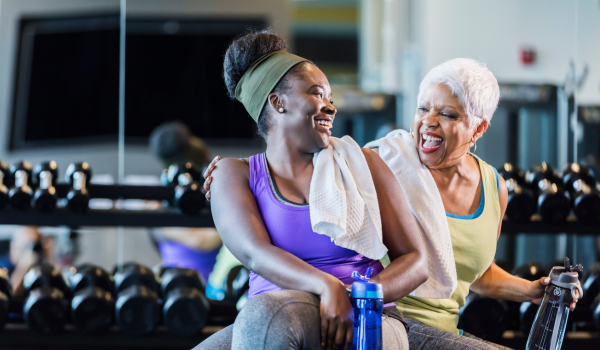
Strength training is often associated with building muscle, but its benefits go far beyond appearance. Regular resistance exercise can support mobility, bone strength, heart health, brain function, energy, and independence as you age.
Age-related muscle and bone loss can begin earlier than many people realize, but it is never too late to start. Even older adults who are new to exercise may notice improvements in strength, balance, and daily function after following a consistent routine.
1. Helps Preserve Muscle Mass
Muscle mass naturally declines with age, a process known as sarcopenia. This gradual loss may begin in early adulthood and become more noticeable later in life.
Strength training is one of the most effective ways to slow this process.
Why Muscle Matters
Maintaining muscle can help:
- Support balance
- Improve posture
- Reduce fall risk
- Protect joints
- Make everyday movement easier
- Lower the chance of injury
Stronger muscles can also make it easier to stand, climb stairs, carry groceries, and complete household tasks.
2. Supports Stronger Bones
Resistance exercise places controlled stress on bones, encouraging them to maintain or improve their strength.
This is especially important because bone density naturally decreases with age, increasing the risk of fractures and osteoporosis.
How Strength Training Helps
Exercises involving weights, resistance bands, or body weight may stimulate bone-building activity.
Unlike higher-impact exercises such as jumping or running, strength training can often be modified for people with limited balance, joint discomfort, or reduced mobility.
3. Improves Heart Health
Cardiovascular exercise is not the only type of movement that benefits the heart.
Strength training may help support healthier:
- Blood pressure
- Cholesterol levels
- Blood vessel function
- Circulation
- Overall cardiovascular fitness
Research has also linked regular resistance exercise with a lower risk of heart-related illness and premature death.
For the best overall benefits, strength training can be combined with activities such as walking, cycling, or swimming.
4. Supports Healthy Weight Management
Metabolism often slows with age, partly because the body gradually loses muscle.
Since muscle tissue uses more energy than fat tissue, preserving muscle may help support daily calorie use and make weight management easier.
Blood Sugar Benefits
Strength training may also improve how the body responds to insulin.
Better insulin sensitivity can help the body manage blood sugar more effectively and may reduce the risk of:
- Insulin resistance
- Prediabetes
- Type 2 diabetes
- Unwanted weight gain
These benefits are especially important for adults with metabolic health concerns.
5. Helps Keep The Brain Sharp
Exercise supports not only the body but also the brain.
Strength training may help protect areas involved in memory, learning, and attention.
Research suggests that resistance exercise may support:
- Memory
- Executive function
- Concentration
- Mental processing
- Brain structure
- Blood flow to the brain
It may be especially beneficial for older adults experiencing mild cognitive changes.
6. May Support A Longer Life
Chronic low-grade inflammation tends to increase with age and is associated with several long-term health conditions.
Regular strength training may help reduce inflammation and improve many of the health markers linked to longevity.
Studies have associated resistance exercise with a lower risk of:
- Cardiovascular disease
- Type 2 diabetes
- Certain cancers
- Premature death
Strength training cannot guarantee a longer life, but it may help lower several major health risks.
7. May Improve Skin Health
Skin naturally becomes thinner and less elastic with age as collagen production declines.
Emerging research suggests that resistance exercise may support certain aspects of skin structure.
Possible Skin Benefits
Strength training may help improve:
- Skin elasticity
- Dermal thickness
- Blood circulation
- Delivery of oxygen and nutrients to the skin
More research is needed, but regular exercise may support healthier-looking skin as part of an overall healthy lifestyle.
8. Boosts Energy And Daily Function
Many people experience lower energy levels as they age due to reduced muscle mass, slower metabolism, health conditions, or inactivity.
Strength training may help improve energy by supporting circulation, metabolism, and physical capacity.
Greater Independence
Muscle strength is closely connected to the ability to perform activities of daily living, including:
- Bathing
- Dressing
- Getting in and out of a chair
- Carrying objects
- Climbing stairs
- Using the bathroom independently
Maintaining strength can help older adults remain active and independent for longer.
It Is Never Too Late To Start
Strength training is not only for athletes or bodybuilders.
People can begin at almost any age, provided the exercises match their abilities and health needs.
Start Gradually
Beginners may start with:
- One session per week
- Light resistance bands
- Body-weight exercises
- Seated strength movements
- Light dumbbells
- Balance and mobility exercises
As strength improves, frequency and resistance can be increased gradually.
Beginner-Friendly Strength Exercises
Simple exercises can train both the upper and lower body.
Chair Squats
Stand up from a chair and slowly sit back down. This strengthens the thighs, hips, and glutes.
Wall Push-Ups
Place your hands against a wall and perform a controlled push-up. This trains the chest, shoulders, and arms.
Seated Knee Extensions
While seated, straighten one leg at a time to strengthen the thighs.
Resistance Band Rows
Pull a resistance band toward your body to train the upper back and arms.
Calf Raises
Hold onto a stable surface and slowly rise onto your toes before lowering back down.
How Often Should You Strength Train?
Many adults can benefit from strength training at least two days per week.
However, older or less active adults may begin with one day per week and build gradually.
A Balanced Routine Should Include
- Upper-body exercises
- Lower-body exercises
- Core exercises
- Balance work
- Mobility or flexibility training
Allowing rest between sessions gives muscles time to recover.
Safety Tips For Older Adults
Proper technique is more important than lifting heavy weights.
Exercise Safely
- Start with light resistance.
- Use slow, controlled movements.
- Avoid holding your breath.
- Stop if you feel sharp pain, dizziness, or chest discomfort.
- Use a chair or wall for balance when needed.
- Wear supportive footwear.
- Increase resistance gradually.
People with osteoporosis, heart disease, joint problems, recent surgery, or other chronic conditions should speak with a healthcare provider before beginning a new exercise program.
Final Thoughts
Strength training is one of the most effective ways to support healthy aging. It can help preserve muscle, protect bones, support heart and brain health, improve energy, and maintain the ability to complete everyday activities.
The goal is not to lift the heaviest weight possible. A safe, consistent routine that trains the whole body can provide meaningful benefits at almost any age.
Starting slowly and building strength over time may help ensure that later years are not only longer, but also more active, independent, and enjoyable.


.png)




.png)
.png)

.png)






.png)
.png)
.png)