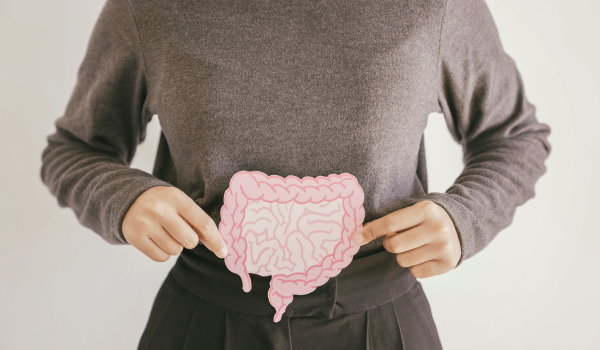
Your gastrointestinal tract is home to trillions of bacteria, fungi, viruses, and other microorganisms collectively known as the gut microbiome. Many of these microbes support digestion, immunity, and other important functions, while others may become problematic when they grow excessively.
When the balance of microorganisms is disrupted, a condition often referred to as gut dysbiosis may occur. The effects aren't always limited to digestion. Changes in gut health may also be associated with energy levels, skin, immune function, and even mood.
Here are six possible signs that your gut health may be out of balance.
1. Digestive Issues
Digestive symptoms are among the most noticeable signs that something may be affecting your gastrointestinal system.
Common Digestive Symptoms
These may include:
- Upset stomach
- Excessive gas
- Bloating
- Diarrhea
- Constipation
- Heartburn
- Abdominal discomfort
Occasional digestive problems are common and don't necessarily mean your gut microbiome is unhealthy. A large meal, dietary changes, stress, illness, or certain medications can temporarily affect digestion.
However, symptoms that occur frequently or continue for several weeks deserve more attention.
Persistent digestive problems can sometimes be associated with conditions such as irritable bowel syndrome (IBS) or inflammatory bowel disease (IBD). Food intolerances, infections, medications, and other gastrointestinal conditions can cause similar symptoms.
Because many digestive disorders share symptoms, gut imbalance shouldn't automatically be assumed to be the cause.
2. Ongoing Tiredness
Feeling tired occasionally is normal, particularly after inadequate sleep or a stressful period. Persistent fatigue, however, may have many possible causes—including digestive problems.
The gut plays an important role in nutrient absorption and interacts closely with several systems involved in sleep and energy regulation.
The Gut And Serotonin
Much of the body's serotonin is produced in the gastrointestinal tract.
Serotonin is involved in numerous biological processes, including gastrointestinal function, while brain serotonin plays an important role in mood and sleep regulation.
Researchers are continuing to investigate how the gut microbiome, serotonin pathways, and sleep influence one another.
Poor Nutrient Absorption
Chronic intestinal inflammation or certain gastrointestinal conditions can interfere with nutrient absorption.
Important nutrients associated with normal energy production include:
- Iron
- Vitamin B12
- Folate
- Other B vitamins
Deficiencies in nutrients such as iron and vitamin B12 can contribute to fatigue.
However, persistent tiredness can have many causes unrelated to gut health. If you're unusually tired for an extended period, a healthcare professional can help determine whether nutritional deficiencies or another condition may be responsible.
3. Skin Issues
The digestive system and skin may be more closely connected than they initially appear.
Researchers sometimes describe this relationship as the “gut-skin axis.”
How The Gut May Influence Skin
Gut microorganisms interact with the immune system and may influence inflammatory processes throughout the body.
Research has explored associations between changes in the gut microbiome and inflammatory skin conditions such as:
- Eczema
- Psoriasis
- Rosacea
- Acne
However, these conditions are complex and can be influenced by genetics, hormones, immune function, environmental exposures, skincare products, and other factors.
Having a skin condition doesn't necessarily mean you have an unhealthy gut.
If you develop persistent or worsening skin problems, consider seeing a dermatologist rather than attempting to treat the condition solely through gut-health supplements or dietary changes.
4. Frequent Illness
A substantial part of the body's immune system is associated with the gastrointestinal tract.
The intestinal barrier and microorganisms living in the gut communicate with immune cells and help regulate immune responses.
The Gut And Your Immune System
A healthy gut microbiome may help support normal immune function.
Disruptions to the microbiome have been associated with altered immune responses and inflammation. Researchers are also studying possible connections between gut microorganisms and autoimmune diseases.
However, frequently developing colds, flu, or other infections doesn't automatically mean your microbiome is out of balance.
Other factors can influence how frequently you become sick, including:
- Sleep
- Stress
- Nutrition
- Age
- Existing health conditions
- Medications
- Exposure to viruses and bacteria
If you're experiencing unusually frequent or severe infections, discuss them with a healthcare professional.
5. Food Sensitivities
If foods you previously tolerated suddenly begin causing digestive symptoms, it may be worth investigating why.
Food sensitivities and intolerances can cause symptoms such as:
- Bloating
- Gas
- Abdominal cramps
- Diarrhea
- Nausea
Food Sensitivity Vs. Food Allergy
Food sensitivities and food allergies aren't the same.
A food allergy involves an immune response to a particular food and can sometimes cause a severe or potentially life-threatening reaction.
Food intolerance generally involves difficulty digesting or processing a particular food or ingredient.
Lactose intolerance is a common example.
How Gut Bacteria May Be Involved
Gut microorganisms participate in breaking down certain components of food. Changes in microbial composition could potentially influence how foods are processed within the digestive system.
However, new digestive symptoms shouldn't automatically be blamed on gut bacteria.
Food intolerances, gastrointestinal disorders, medications, infections, and dietary changes can produce similar symptoms.
Keeping a food and symptom diary may help identify patterns that you can discuss with a healthcare professional.
6. Changes in Mood or Thinking
Your digestive system and brain constantly communicate through what researchers call the gut-brain axis.
This communication network involves:
- Nerves
- Hormones
- Immune signals
- Microbial metabolites
- The central nervous system
Researchers are increasingly interested in how the gut microbiome may influence mood, stress responses, memory, and other aspects of brain function.
Gut Bacteria And Mental Health
Studies have identified associations between microbiome composition and conditions involving:
- Depression
- Anxiety
- Stress
- Mood regulation
- Cognitive function
Gut microorganisms can also influence biological pathways involving neurotransmitters and their precursors.
However, this doesn't mean that an unhealthy microbiome directly causes depression, anxiety, or memory problems.
Mental health conditions are complex and can involve genetic, psychological, environmental, social, and biological factors.
Gut health should therefore be viewed as one possible component of overall health rather than a replacement for appropriate mental healthcare.
Ways To Improve Gut Health
You generally don't need expensive supplements, cleanses, or highly restrictive diets to support your gut microbiome.
Several everyday lifestyle habits can help promote digestive and overall health.
Eat More Fiber
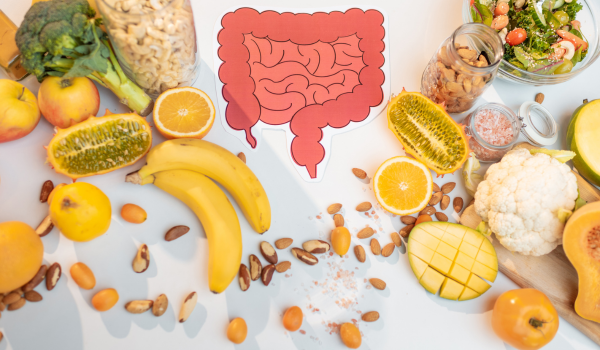
Fiber provides nourishment for many beneficial gut bacteria.
Good sources include:
- Vegetables
- Fruits
- Beans
- Lentils
- Whole grains
- Nuts
- Seeds
If your diet is currently low in fiber, increase your intake gradually to reduce the likelihood of temporary gas and bloating.
Eat A Variety Of Plant Foods
Different foods provide different types of fibers and plant compounds.
Including a variety of vegetables, fruits, whole grains, legumes, nuts, and seeds may encourage greater microbial diversity.
Limit Highly Processed Foods
Ultra-processed foods can be high in added sugars, sodium, refined carbohydrates, and unhealthy fats while providing relatively little fiber.
You don't need to completely eliminate processed foods, but prioritize minimally processed, nutrient-dense foods whenever possible.
Stay Hydrated
Adequate fluid intake helps support normal digestion and regular bowel movements.
Water needs vary depending on factors such as body size, physical activity, climate, diet, pregnancy, and overall health.
Stay Physically Active
Regular physical activity benefits cardiovascular and metabolic health and may also support microbial diversity.
Aim to incorporate movement consistently rather than relying only on occasional intense workouts.
Manage Stress
Chronic stress can affect digestion and the gut-brain connection.
Walking, meditation, breathing exercises, yoga, hobbies, and spending time outdoors are simple strategies that may help manage everyday stress.
Prioritize Sleep
Poor sleep can influence appetite, metabolism, stress hormones, and potentially the gut microbiome.
Most adults should aim for approximately seven to nine hours of sleep per night.
Do You Need Probiotics?
Probiotic supplements are often marketed as an easy way to “rebalance” the gut, but they're not necessary for everyone.
Different probiotic strains can have different effects, and benefits observed for one strain shouldn't automatically be assumed to apply to another.
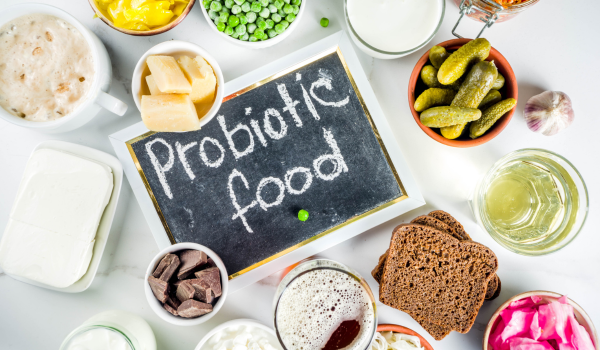
Fermented foods may provide another way to incorporate beneficial microorganisms into your diet.
Fermented Foods To Consider
Examples include:
- Yogurt with live cultures
- Kefir
- Kimchi
- Sauerkraut
- Some fermented vegetables
Not every fermented product contains live microorganisms by the time you eat it, so check labels when this is important to you.
Before taking probiotic supplements for a medical condition, consider discussing them with a healthcare professional.
When To See a Healthcare Provider
Many mild digestive symptoms improve on their own. Persistent, severe, or unexplained symptoms should be medically evaluated.
Consider contacting a healthcare professional if you experience:
- Persistent abdominal pain
- Frequent diarrhea or constipation
- Ongoing or severe bloating
- Blood in your stool
- Unexplained weight loss
- Persistent vomiting
- Significant changes in bowel habits
- Ongoing fatigue
- Difficulty eating because of digestive symptoms
A healthcare professional can evaluate you for conditions such as IBS, IBD, food intolerances, infections, nutrient deficiencies, or other gastrointestinal disorders.
The Bottom Line
Digestive problems, persistent fatigue, skin changes, frequent illness, new food sensitivities, and changes in mood or thinking may sometimes occur alongside changes in gut health.
However, these symptoms aren't specific enough to diagnose an unhealthy microbiome on their own. Many have other possible explanations.
Instead of trying to “reset” your microbiome with restrictive diets, cleanses, or supplements, focus on evidence-based habits such as eating more fiber-rich plant foods, staying hydrated, exercising regularly, managing stress, and getting adequate sleep.
If symptoms are persistent or interfere with your daily life, seek medical evaluation to identify the underlying cause.

.png)































.png)