Snoring is a common sleep issue that can range from a minor annoyance to a sign of an underlying health condition. While occasional snoring may not be a cause for concern, frequent or loud snoring can disrupt sleep quality for both you and those around you.
In many cases, simple lifestyle changes and home remedies can help reduce or even eliminate snoring. Understanding the cause of your snoring is the first step toward finding an effective solution.
Why Do People Snore?
Snoring occurs when air cannot move freely through the nose and throat during sleep. As airflow becomes restricted, the tissues in the airway vibrate, producing the familiar snoring sound.
Several factors can contribute to narrowed or blocked airways.
Blocked Or Narrowed Airways
Certain medical conditions can reduce airflow through the nose and throat, increasing the likelihood of snoring. These may include:
- Deviated septum
- Nasal polyps
- Sleep apnea
Physical characteristics such as a large tongue, enlarged tonsils, a small mouth, or a short jaw can also contribute to airway obstruction. Sleeping on your back may worsen the problem by allowing the tongue and soft tissues to fall backward into the airway.
Nasal Congestion
A stuffy nose caused by a cold, allergies, or sinus issues can make it difficult to breathe through the nose. As a result, many people begin breathing through their mouths during sleep, which often increases snoring.
Excess Weight
People who are overweight or obese may have additional tissue around the neck and throat that places pressure on the airway. This can make airflow more restricted and increase the likelihood of snoring.
Excess weight is also one of the most common risk factors for obstructive sleep apnea.
Relaxed Airway Muscles
During sleep, muscles naturally relax. In some people, this relaxation causes the airway to become too narrow.
Alcohol, sleeping medications, antihistamines, and other sedatives can further relax the muscles of the throat, making snoring more likely.
Swollen Tissues
Inflammation or swelling in the tissues of the mouth and throat can also contribute to snoring. In some cases, pregnancy, illness, or allergies may increase tissue swelling and partially block airflow.
1. Change Your Sleep Position
Sleeping on your back often causes the tongue and soft tissues to fall backward toward the throat, narrowing the airway and increasing snoring.
Switching to your side can help keep the airway open and reduce tissue vibration. Some people find it helpful to use a body pillow or other positioning aids to prevent rolling onto their back during the night.
2. Limit Alcohol And Sedatives Before Bed
Alcohol and sedative medications relax the muscles in the throat and mouth, making airway collapse more likely during sleep.
Avoiding alcohol and unnecessary sedatives for several hours before bedtime may help reduce snoring and improve sleep quality.
3. Quit Smoking
Smoking irritates the tissues lining the nose and throat, leading to inflammation and swelling that can narrow the airway.
It also increases mucus production, which may worsen congestion and make breathing more difficult during sleep. Quitting smoking can significantly improve airflow and reduce snoring over time.
4. Reduce Nasal Congestion
When the nasal passages are blocked, breathing becomes more difficult and snoring often worsens.
Several strategies may help relieve congestion, including:
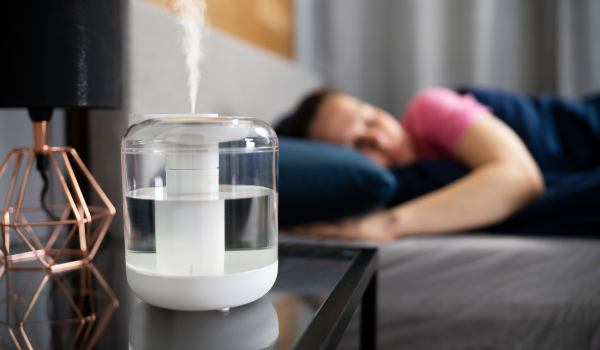
- Using a humidifier
- Inhaling steam
- Taking a warm shower before bed
- Using appropriate decongestant products when recommended
Keeping nasal passages clear can improve airflow and reduce nighttime snoring.
5. Try A Nasal Dilator
Nasal dilators are devices designed to gently widen the nasal passages, making breathing easier during sleep.
They may be particularly helpful for people who experience snoring due to allergies, chronic congestion, or naturally narrow nasal passages.
Improved airflow through the nose may reduce snoring and decrease nighttime awakenings.
6. Use An Oral Appliance
Oral appliances are designed to reposition the jaw or tongue to help keep the airway open while sleeping.
These devices can be useful for people whose snoring is related to structural issues such as a large tongue, small jaw, or mild airway obstruction.
A dentist or ear, nose, and throat specialist can help determine whether an oral appliance is appropriate for your situation.
7. Wear A Nasal Strip
Nasal strips are adhesive bands that attach to the outside of the nose and gently pull the nostrils open.
By improving airflow through the nasal passages, they may reduce snoring caused by nasal blockage or narrow nostrils. They are inexpensive, widely available, and easy to use.
When To See A Healthcare Provider
Although home remedies can be effective, persistent snoring may sometimes indicate a more serious underlying condition.
Consider speaking with a healthcare provider if your snoring:
- Is loud enough to wake others or yourself
- Causes excessive daytime sleepiness
- Is accompanied by morning headaches
- Includes choking or gasping sounds during sleep
- Causes difficulty concentrating
- Occurs alongside unexplained weight gain
These symptoms may suggest obstructive sleep apnea, a condition that requires medical evaluation and treatment.
A healthcare provider can identify the underlying cause of your snoring and recommend appropriate treatments, which may include lifestyle changes, specialized devices, or medical procedures.
The Bottom Line
Snoring occurs when airflow through the nose and throat becomes partially blocked during sleep. Common causes include nasal congestion, sleeping position, excess weight, smoking, alcohol use, and certain anatomical factors.
Simple changes such as sleeping on your side, reducing alcohol consumption, managing congestion, and maintaining a healthy weight may help reduce snoring. However, persistent or severe snoring should not be ignored, especially if it is accompanied by symptoms of sleep apnea.
Addressing the root cause of snoring can improve sleep quality, support overall health, and help both you and your loved ones enjoy more restful nights.


.png)