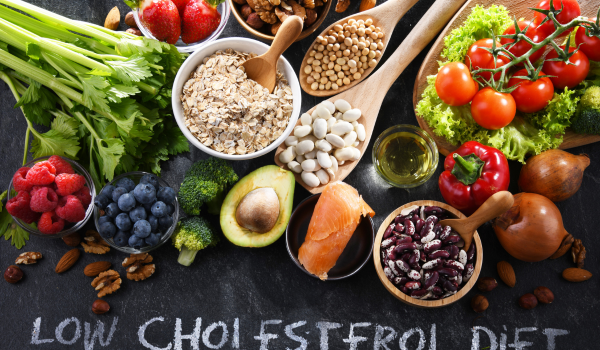
Heart disease remains one of the leading causes of death worldwide. Many of its major risk factors—including high blood pressure, high cholesterol, obesity, and type 2 diabetes—can often be improved through healthy lifestyle choices, especially nutrition.
Seeds are among the most nutrient-dense foods you can add to your diet. Despite their small size, they are packed with heart-friendly nutrients such as healthy fats, fiber, magnesium, antioxidants, and plant-based protein. Including a variety of seeds in your meals may help support cardiovascular health and lower the risk of heart disease over time.
Flaxseeds
Rich In Heart-Healthy Omega-3 Fatty Acids
Flaxseeds are one of the best plant-based sources of alpha-linolenic acid (ALA), an omega-3 fatty acid associated with improved heart health. ALA may help reduce inflammation and support healthy blood vessels.
May Lower Cholesterol Levels
Flaxseeds are also high in soluble fiber, which helps reduce cholesterol by limiting its absorption in the digestive system and promoting its removal from the body. Regular consumption may help lower both total cholesterol and LDL ("bad") cholesterol levels.
Easy Ways To Eat Flaxseeds
- Blend into smoothies
- Stir into oatmeal
- Sprinkle over yogurt
- Mix into baked goods
Ground flaxseeds are generally easier for the body to digest than whole seeds.
Chia Seeds
Excellent Source Of Fiber
Just one ounce of chia seeds provides a significant amount of dietary fiber, which supports healthy cholesterol levels and helps you stay full longer.
Supports Healthy Blood Pressure
Chia seeds are naturally rich in magnesium and calcium, two minerals that play important roles in regulating blood pressure.
May Improve Cholesterol Balance
Some studies suggest chia seeds may help lower LDL cholesterol while increasing HDL ("good") cholesterol, contributing to better cardiovascular health.
Ways To Enjoy Chia Seeds
- Add to smoothies
- Mix into overnight oats
- Make chia pudding
- Sprinkle over cereal or salads
Pumpkin Seeds
Packed With Magnesium
Pumpkin seeds provide a generous amount of magnesium, an essential mineral involved in maintaining normal blood pressure and healthy heart rhythm.
Supports Healthy Blood Flow
These seeds also contain arginine, an amino acid that helps the body produce nitric oxide. Nitric oxide relaxes blood vessels, improving circulation and supporting healthy blood pressure.
Provides Plant-Based Protein
Pumpkin seeds are rich in protein, which helps stabilize blood sugar levels and may reduce the risk of developing type 2 diabetes—a major risk factor for heart disease.
Simple Serving Ideas
- Eat as a snack
- Add to salads
- Sprinkle over soups
- Mix into homemade granola
Sunflower Seeds
High In Vitamin E
Sunflower seeds are one of the richest natural sources of vitamin E, a powerful antioxidant that helps protect cells from oxidative stress.
Oxidative damage contributes to the development of cardiovascular disease, so maintaining adequate vitamin E intake may support long-term heart health.
Supports Healthy Blood Vessels
Vitamin E may also help maintain healthy blood vessel function and reduce inflammation associated with cardiovascular disease.
Easy Ways To Add Them To Meals
- Sprinkle over oatmeal
- Mix into salads
- Add to trail mix
- Blend into homemade energy bites
Choose unsalted varieties whenever possible.
Sesame Seeds
Supports Blood Pressure Regulation
Sesame seeds contain both magnesium and calcium, minerals that work together to help maintain normal blood pressure.
May Help Protect Arteries
Research suggests sesame seeds contain plant compounds that may reduce inflammation and support healthy blood lipid levels, potentially lowering the risk of plaque buildup inside arteries.
How To Eat More Sesame Seeds
- Sprinkle over stir-fries
- Add to rice dishes
- Mix into salad dressings
- Use tahini as a spread or dip
Hemp Seeds
Loaded With Magnesium
Hemp seeds are among the richest natural sources of magnesium, making them an excellent addition to a heart-conscious diet.
Adequate magnesium intake supports:
- Healthy blood sugar
- Normal blood pressure
- Proper muscle and nerve function
- Healthy heart rhythm
Rich In Healthy Fats
Hemp seeds also contain large amounts of polyunsaturated fats, including omega-3 fatty acids, which help reduce inflammation and support cardiovascular health.
Ways To Enjoy Hemp Seeds
- Blend into smoothies
- Sprinkle over yogurt
- Add to salads
- Mix into oatmeal
Their mild, nutty flavor pairs well with many dishes.
Tips Before Adding More Seeds To Your Diet
Although seeds are incredibly nutritious, they are also calorie-dense. Most experts recommend limiting portions to approximately one ounce (about two tablespoons) per serving.
For the healthiest choice:
- Choose unsalted varieties whenever possible.
- Avoid heavily roasted or flavored seeds that may contain excess sodium.
- Store seeds in airtight containers to help preserve their healthy fats.
- Include a variety of different seeds rather than relying on just one type.
Other Ways To Support Heart Health
Seeds work best as part of an overall heart-healthy lifestyle. Consider combining them with other nutritious habits, including:
- Eating more fruits and vegetables
- Choosing whole grains
- Including fish and lean protein
- Eating nuts regularly
- Limiting processed foods
- Exercising most days of the week
- Maintaining a healthy body weight
- Avoiding smoking
- Managing stress and getting enough sleep
The Bottom Line
Flaxseeds, chia seeds, pumpkin seeds, sunflower seeds, sesame seeds, and hemp seeds all provide nutrients that may support heart health. Their combination of healthy fats, fiber, antioxidants, magnesium, and plant protein can help improve cholesterol levels, regulate blood pressure, support healthy blood sugar, and reduce inflammation.
Adding a small serving of mixed seeds to your daily diet is a simple yet effective way to support your cardiovascular system and overall well-being.