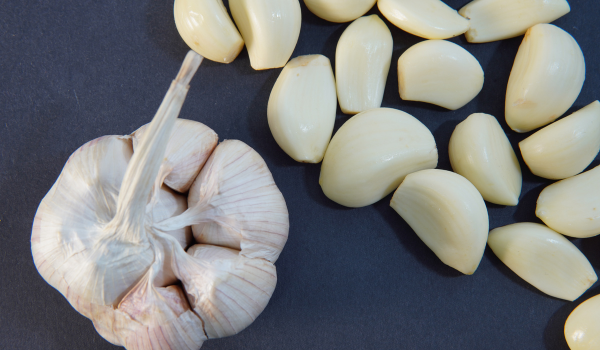
Garlic has long been used in traditional medicine for its natural antimicrobial properties. Some research suggests that garlic may help fight fungi, bacteria, and viruses, leading some people to consider it as a home remedy for yeast infections. However, scientific evidence remains limited, and healthcare providers continue to recommend antifungal medications as the standard treatment.
What Is A Yeast Infection?
A yeast infection occurs when a fungus called Candida grows excessively in the body. While Candida naturally exists in small amounts, an overgrowth can lead to infection.
Yeast infections can develop in several areas, including:
- The vagina
- The mouth
- The esophagus
Vaginal yeast infections are among the most common forms and can cause uncomfortable symptoms that interfere with daily life.
Common Symptoms Of A Vaginal Yeast Infection
Severe Itching
Intense itching in and around the vagina is often one of the earliest signs.
Burning And Irritation
Many people experience burning, redness, and swelling of the vaginal tissues and vulva.
Pain During Urination
Urination may become uncomfortable due to irritation of the surrounding tissues.
Pain During Sexual Activity
Inflamed vaginal tissues can make intercourse painful.
Abnormal Vaginal Discharge
A yeast infection often causes thick, white, odorless discharge that resembles cottage cheese.
Who Is More Likely To Get A Yeast Infection?
Certain factors may increase the likelihood of developing a yeast infection.
Pregnancy
Hormonal changes during pregnancy can alter the vaginal environment and promote yeast growth.
Diabetes
Elevated blood sugar levels can encourage Candida overgrowth.
Birth Control Pills
Hormonal contraceptives may slightly increase the risk in some individuals.
Recent Antibiotic Use
Antibiotics can eliminate beneficial bacteria that normally help keep yeast levels under control.
Can Garlic Help Treat A Yeast Infection?
Garlic contains compounds that demonstrate antifungal activity in laboratory studies. Because of these properties, some people use garlic supplements in hopes of reducing Candida overgrowth.
Garlic may be available in different forms, including:
- Oral supplements
- Topical creams
- Herbal preparations
However, evidence supporting garlic as an effective treatment for vaginal yeast infections remains limited. More research is needed to determine whether garlic can safely and consistently eliminate infections.
What Does The Research Show?
Some small studies suggest that high-dose garlic supplements may have antifungal effects and could help reduce symptoms of yeast infections.
Despite these findings, healthcare organizations continue to recommend prescription or over-the-counter antifungal medications as the first-line treatment.
Common treatments include:
- Fluconazole
- Miconazole
- Clotrimazole
- Other antifungal medications recommended by healthcare providers
These treatments have been extensively studied and are proven to effectively treat most vaginal yeast infections.
Risks And Side Effects Of Garlic Supplements
Although garlic is generally considered safe when consumed as food, concentrated garlic supplements may carry certain risks.
Delayed Proper Treatment
Symptoms of sexually transmitted infections and other vaginal conditions can sometimes resemble a yeast infection. Self-treating with garlic may delay proper diagnosis and treatment.
Increased Bleeding Risk
Garlic supplements may thin the blood and increase bleeding risk, especially in people taking blood-thinning medications or preparing for surgery.
Pregnancy Concerns
The safety of concentrated garlic supplements during pregnancy and breastfeeding is not fully understood.
Medication Interactions
Garlic supplements may interact with certain medications, including treatments for HIV and some herbal supplements.
Reduced Effectiveness Of Barrier Contraceptives
Some garlic-based vaginal creams or suppositories may contain oils that weaken latex condoms and diaphragms, potentially reducing their effectiveness.
How To Help Prevent A Yeast Infection
While yeast infections cannot always be prevented, certain habits may reduce your risk.
Avoid Tight Or Damp Clothing
Yeast thrives in warm, moist environments. Change out of wet clothing promptly and wear breathable fabrics when possible.
Practice Good Menstrual Hygiene
Change tampons and sanitary pads regularly during your period.
Avoid Douching
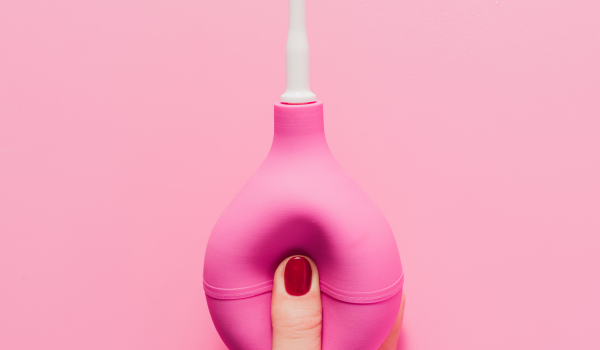
The vagina naturally cleanses itself. Douching can disrupt the normal balance of bacteria and increase infection risk.
Avoid Scented Feminine Products
Fragranced sprays, pads, tampons, and washes may irritate vaginal tissues and alter pH balance.
Clean Intimate Products Properly
Wash sex toys and vibrators thoroughly between uses.
Wipe Front To Back
This simple habit helps prevent bacteria from spreading from the anal area to the vagina.
Consider Probiotics During Antibiotic Use
If you need antibiotics, probiotics may help restore beneficial bacteria that support vaginal health.
When To See A Healthcare Provider
It is important to seek medical advice if:
- Symptoms are severe
- Symptoms continue despite treatment
- You experience recurrent infections
- You are pregnant
- You are unsure whether your symptoms are caused by a yeast infection
A healthcare provider can confirm the diagnosis and recommend the most effective treatment plan.
The Bottom Line
Garlic contains natural antifungal compounds that may offer some benefits against Candida, but current evidence is limited. Healthcare professionals still recommend antifungal medications as the safest and most effective treatment for yeast infections.
If you suspect you have a yeast infection, obtaining a proper diagnosis is important before trying alternative remedies. While garlic supplements may be used as a complementary approach in some cases, they should not replace proven medical treatments without guidance from a healthcare professional.










.png)
.png)
.png)

