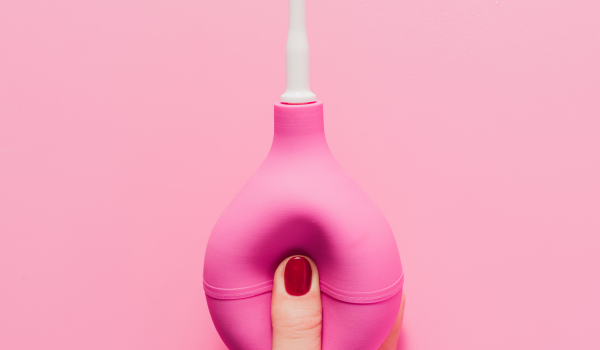
Douching is a practice that involves using water or other liquids to clean an internal body cavity. Vaginal douching is used to rinse the vagina, while anal douching is intended to clean the rectum before sexual activity or for hygiene purposes.
Many people douche because they believe it improves cleanliness, reduces odor, relieves itching, or enhances sexual hygiene. However, healthcare professionals generally do not recommend routine douching because it can disrupt the body's natural balance and increase the risk of infections and other health complications.
What Is A Douche?
A douche typically consists of a container that holds liquid and a tube or nozzle used to deliver the fluid into the vagina or rectum.
Common types of douche devices include:
- Bulb syringes
- Anal douche bulbs
- Squeeze bottles
- Water bottles adapted for douching
- Enema bags
- Hot water bottle systems
The nozzle is usually made from soft plastic, rubber, or silicone. Individuals with latex allergies should carefully check product materials before use.
To douche, the nozzle is gently inserted and the liquid is released upward into the targeted area.
Types Of Douching Solutions
Some people purchase commercial douching products, while others create homemade solutions.
Common ingredients may include:
- Plain water
- Saline solution
- Vinegar
- Baking soda
- Herbal mixtures
- Antiseptic cleansers
- Fragrances
- Soaps
Although these ingredients are often marketed as cleansing agents, many can disrupt the body's natural protective environment.
Why Do People Douche?
The vagina naturally cleanses itself by producing fluids that remove dead cells, bacteria, menstrual blood, and semen. Despite this natural process, some individuals continue to douche for various reasons.
Personal Hygiene
Some people believe douching helps them feel cleaner or fresher.
Menstrual Hygiene
Others use douching during or after menstruation to remove menstrual blood.
Sexual Hygiene
Some individuals douche before or after sexual activity because they feel it improves cleanliness.
Relief From Odor Or Itching
People sometimes use douching products to address vaginal odor, irritation, or discomfort.
Cultural Or Religious Practices
Certain traditions may include douching as part of personal care routines.
Pregnancy Or STI Prevention
Some people mistakenly believe douching can prevent pregnancy or sexually transmitted infections. However, douching does not effectively prevent either.
Why Healthcare Providers Discourage Vaginal Douching
The vagina maintains a delicate balance of beneficial bacteria and a slightly acidic pH level.
Healthy bacteria, particularly Lactobacillus species, help protect against infections by preventing harmful bacteria and yeast from multiplying.
Douching can wash away these protective organisms and alter vaginal acidity, making infections more likely.
Risks Of Vaginal Douching
Regular douching has been associated with several health risks.
Bacterial Vaginosis
When beneficial bacteria are reduced, harmful bacteria can multiply excessively and cause bacterial vaginosis.
Common symptoms include:
- Thin gray or white discharge
- Fishy odor
- Vaginal irritation
Yeast Infections
Changes in vaginal pH can also promote yeast overgrowth, leading to:
- Itching
- Burning
- Thick white discharge
- Redness and irritation
Skin Irritation
Fragrances, chemicals, and harsh cleansing ingredients may cause:
- Dryness
- Allergic reactions
- Microtears
- Irritation of vaginal tissues
Damaged tissue creates openings that make it easier for infections to develop.
Urinary Tract Infections
Because the urethra and vagina are located close together, bacteria can more easily spread into the urinary tract after irritation or tissue damage caused by douching.
Symptoms may include:
- Burning during urination
- Frequent urges to urinate
- Pelvic discomfort
Sexually Transmitted Infections
Douching may increase vulnerability to sexually transmitted infections because it removes protective bacteria and weakens natural defenses.
Examples include:
- Chlamydia
- Gonorrhea
- Trichomoniasis
- Herpes
- Human papillomavirus (HPV)
- Human immunodeficiency virus (HIV)
Pelvic Inflammatory Disease
Douching can push bacteria deeper into the reproductive tract, increasing the risk of pelvic inflammatory disease.
This serious condition may affect the uterus, fallopian tubes, and ovaries, potentially leading to infertility and chronic pelvic pain.
Pregnancy Complications
During pregnancy, douching may increase the risk of:
- Miscarriage
- Premature birth
- Low birth weight
- Ectopic pregnancy
- Infections affecting the developing baby
Risks Of Anal Douching
Anal douching also carries potential health risks.
Tissue Damage
Excessive pressure, harsh solutions, or large volumes of fluid may irritate or tear delicate rectal tissues.
This can lead to:
- Inflammation
- Discomfort
- Rectal bleeding
Increased Infection Risk
Disruption of the rectal lining may make the body more susceptible to infections and sexually transmitted diseases.
Dehydration
Frequent use of enemas or large-volume douching can contribute to diarrhea and fluid loss, increasing the risk of dehydration.
Safer Alternatives To Vaginal Douching
Most people do not need any internal cleansing routine.
The safest approach is to gently clean only the external genital area.
Wash The Vulva Gently
Use warm water and your fingers or a soft cloth to clean the vulva daily.
Soap is generally unnecessary. If you choose to use soap, select a mild, fragrance-free product.
Use A Peri Bottle
A peri bottle can provide gentle cleansing after childbirth or during periods of irritation.
Try A Sitz Bath
A warm sitz bath can help soothe discomfort while keeping the area clean.
Additional Hygiene Tips
Maintaining vaginal health often requires simple daily habits.
Avoid Scented Products
Avoid:
- Scented tampons
- Scented pads
- Feminine sprays
- Powders
These products can cause irritation and disrupt vaginal balance.
Change Menstrual Products Regularly
Replace tampons and pads frequently during menstruation.
Wear Breathable Clothing
Choose cotton underwear and avoid tight-fitting garments that trap moisture.
Practice Safe Sex
Barrier methods such as condoms can reduce the risk of sexually transmitted infections.
Urinate After Sex
This habit may help reduce the risk of urinary tract infections.
Wipe Front To Back
This helps prevent bacteria from spreading from the anus to the urinary tract or vagina.
Safer Alternatives To Anal Douching
Routine bowel movements naturally keep the rectum relatively clean.
For external cleansing:
- Use warm water
- Use fragrance-free soap if desired
- Consider installing a bidet
If cleansing is necessary, use low water pressure and keep sessions brief to minimize irritation.
When To Contact A Healthcare Provider
A healthy vaginal discharge is usually clear or white with a mild odor.
You should seek medical attention if you experience:
Vaginal Symptoms
- Persistent odor
- Itching
- Burning
- Pain during sex
- Painful urination
- Pelvic pain
- Unusual discharge
- Yellow, green, gray, frothy, or thick discharge
- Sores, bumps, or warts
- Fever or chills with vaginal symptoms
Rectal Symptoms
- Rectal bleeding
- Persistent itching
- Pain in the rectal area
- Lumps or bumps
- Loss of bowel control
- Chronic constipation or diarrhea
- Mucus in the stool
The Bottom Line
While douching may seem like a way to improve cleanliness, it can actually disrupt the body's natural protective systems and increase the risk of infections, irritation, infertility, and pregnancy complications.
The vagina is self-cleaning and generally does not require internal washing. Gentle cleansing of the external genital area with warm water is usually all that is needed.
If you experience persistent odor, itching, unusual discharge, or other symptoms, consult a healthcare provider rather than attempting to treat the problem with douching. Maintaining healthy daily hygiene habits is a safer and more effective approach to long-term vaginal and reproductive health.











.png)
.png)
.png)

