.png)
Why Recovery Matters More After 40
Many people believe that getting older automatically means feeling more tired, waking up with sore joints, and taking longer to recover after physical activity. While aging certainly changes the body, much of what people experience after the age of 40 isn't caused by age alone—it is often the result of inadequate recovery.
Whether you enjoy strength training, jogging, swimming, cycling, gardening, or simply staying active with your family, your body depends on recovery to repair muscles, reduce physical stress, and prepare for the next day. Unfortunately, recovery is the one part of a healthy lifestyle that many busy adults overlook.
Between work responsibilities, family commitments, and the demands of daily life, it becomes easy to sacrifice sleep, skip stretching, ignore persistent muscle tightness, and push through fatigue. Over time, these habits may contribute to stiffness, slower recovery, reduced mobility, and lower energy levels.
The encouraging news is that you don't need expensive gym memberships or complicated recovery programs to feel better. A consistent recovery routine at home can help support healthy aging, improve movement, and make everyday activities feel easier.
In this guide, we'll explore practical recovery habits backed by science that can easily fit into even the busiest schedule.
Why Does Your Body Recover More Slowly As You Age?
After the age of 40, the body naturally undergoes several physiological changes that influence recovery.
Muscle protein synthesis gradually slows down, meaning damaged muscle fibers take longer to repair after exercise or physically demanding activities. Collagen production also decreases with age, affecting the health of tendons, ligaments, and joints. At the same time, hormone levels that support tissue repair begin to decline.
Another common challenge is chronic low-grade inflammation. Although inflammation plays an essential role in healing, prolonged inflammation may contribute to muscle soreness, joint discomfort, and slower recovery if healthy habits aren't maintained.
Sleep quality also tends to change with age. Many adults experience lighter sleep or wake more frequently during the night. Since much of the body's recovery occurs during deep sleep, even small reductions in sleep quality can noticeably affect how the body feels the next day.
These changes are completely normal, but they don't mean you have to accept constant fatigue or discomfort. Research continues to show that healthy lifestyle habits—including regular movement, proper nutrition, quality sleep, and evidence-based recovery strategies—can support healthy aging and improve overall well-being.
The Four Pillars Of Effective Recovery
When people think about recovery, they often focus on just one solution—perhaps a massage, stretching session, or a recovery supplement. In reality, effective recovery is built on several habits working together.
1. Daily Movement
Recovery doesn't always mean complete rest.
Light activities such as walking, mobility exercises, yoga, or swimming increase circulation, helping transport oxygen and nutrients to muscles while removing metabolic waste products.
Even a 20-minute walk after dinner may help reduce stiffness and improve overall recovery.
2. Quality Nutrition
The body cannot repair itself without the proper building blocks.
Eating adequate protein, colorful vegetables, healthy fats, whole grains, and staying hydrated provides nutrients that support muscle repair and overall health.
Adults over 40 should pay particular attention to daily protein intake, as maintaining muscle mass becomes increasingly important with age.
3. Restorative Sleep
Sleep remains the most powerful recovery tool available.
During deep sleep, the body releases hormones involved in tissue repair while supporting immune function and brain health.
Creating a consistent bedtime routine, limiting screen exposure before sleep, and keeping the bedroom cool and quiet may significantly improve recovery over time.
4. Recovery Technology
Modern recovery tools are becoming increasingly popular among athletes, fitness enthusiasts, and active adults.
One example is red light therapy, which has gained attention for its potential role in supporting muscle recovery, circulation, and overall wellness. While it should never replace exercise, sleep, or good nutrition, many people choose to incorporate red light therapy into their daily recovery routine.
For those looking for full-body coverage at home, devices such as the Red Light Therapy Mat provide a convenient way to combine relaxation with a structured recovery session after exercise or long workdays.
The key is to view recovery technology as a complement to healthy habits—not a replacement for them.
Recovery Is More Than Just Recovering From Exercise
One of the biggest misconceptions about recovery is that it's only important for athletes.
In reality, everyone places stress on their body every day.
Office workers spend hours sitting at a desk, often developing tight hips, stiff shoulders, and neck discomfort. Parents constantly lift children, carry groceries, and remain physically active throughout the day. Healthcare professionals, teachers, construction workers, and many others experience repetitive physical demands that gradually accumulate over time.
Recovery is simply the process of helping your body adapt to these daily stresses.
The goal isn't necessarily to eliminate soreness entirely. Instead, it's about maintaining healthy movement, supporting mobility, reducing physical fatigue, and feeling capable of enjoying the activities that matter most.
When recovery becomes a consistent habit rather than something reserved for difficult workouts, many people notice improvements in energy, flexibility, and overall quality of life.
In the next section, we'll build a complete morning-to-evening recovery routine that busy adults can realistically follow in less than an hour each day while incorporating practical wellness strategies—including stretching, nutrition, hydration, mobility work, and evidence-based recovery tools.
Build Your Daily Home Recovery Routine
The most effective recovery routine isn't necessarily the longest or the most expensive. Instead, it's the one you can consistently follow every day.
The goal is to create simple habits that help your muscles recover, maintain joint mobility, improve circulation, and prepare your body for tomorrow's activities.
Here's an example of a practical recovery schedule that fits into even a busy lifestyle.
Morning: Wake Up Your Body Before Your Day Starts
Many adults over 40 wake up with stiff backs, tight hips, or sore shoulders. This often isn't because something is wrong—it's simply the result of spending several hours sleeping in the same position.
Instead of immediately reaching for your phone, spend your first 10 to 15 minutes waking up your body.
A simple morning recovery routine may include:
-
Gentle neck stretches
-
Shoulder rolls
-
Cat-cow stretches
-
Hip openers
-
Bodyweight squats
-
Light walking
-
Deep breathing exercises
These movements help improve blood circulation while preparing your joints and muscles for the day ahead.
Hydration is equally important. Since your body loses water during sleep, drinking one or two glasses of water after waking up can help support circulation and overall recovery.
A protein-rich breakfast containing eggs, Greek yogurt, oats, nuts, or lean meat provides the amino acids your muscles need for daily maintenance.
Midday: Reduce The Effects Of Sitting Too Long
Modern lifestyles involve more sitting than ever before.
Whether you're working at a computer, driving, or attending meetings, remaining in one position for hours places continuous stress on your neck, shoulders, lower back, and hips.
Try following the "30-Second Rule."
Every 45–60 minutes:
-
Stand up.
-
Walk for one minute.
-
Stretch your chest.
-
Rotate your shoulders.
-
Perform several hip extensions.
These small breaks may seem insignificant, but over weeks and months they can make a noticeable difference in flexibility and comfort.
Many physical therapists recommend frequent movement throughout the day rather than waiting until evening to exercise.
After Exercise: Give Your Muscles Time To Recover
Exercise creates tiny amounts of stress within muscle tissue.
Recovery is the process that allows those muscles to repair and become stronger.
After a workout, focus on four essentials:
-
Cool down with light movement
-
Stretch major muscle groups
-
Drink enough water
-
Eat 20–30 grams of quality protein within a reasonable time after exercise
Recovery doesn't need to be complicated.
Some people also include wellness technologies as part of this routine.
For example, spending 15 to 20 minutes relaxing on a Red Light Therapy Mat after strength training or a long day may help create a comfortable recovery environment. While research into red light therapy continues to evolve, many users appreciate incorporating it alongside stretching, hydration, and healthy nutrition as part of their overall wellness routine.
The most important principle is consistency—not intensity.
Target Specific Areas That Need Extra Attention
Not everyone experiences discomfort in the same place.
Office workers often struggle with neck tension.
Golfers may notice elbow stiffness.
Runners frequently experience sore calves.
Parents carrying young children often develop lower back fatigue.
Targeted recovery can be especially helpful when certain muscle groups receive more daily stress than others.
For lower back or abdominal areas, some individuals prefer using a Red Light Therapy Belt while reading, relaxing, or watching television.
Because the belt focuses on a smaller treatment area than a full-body mat, it can become a convenient addition to an evening wellness routine.
Again, these tools are designed to complement—not replace—regular exercise, proper posture, and medical advice when needed.
Don't Forget Your Face And Scalp
Healthy aging isn't only about muscles and joints.
Skin and scalp health also change over time.
Collagen production naturally slows with age, while environmental exposure, stress, and reduced circulation may contribute to visible signs of aging.
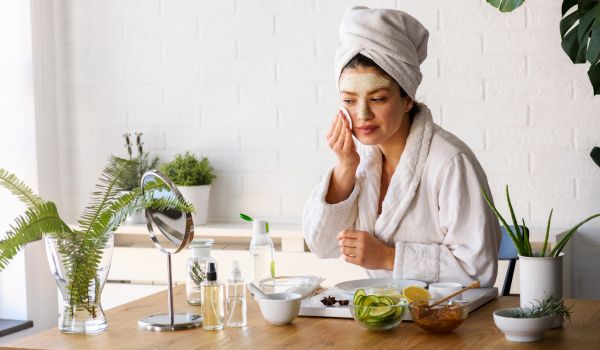
Many adults now include dedicated skincare and scalp-care routines as part of their overall wellness habits.
Home wellness devices such as a Red Light Therapy Mask are becoming increasingly popular among people looking to support healthy-looking skin while relaxing after work.
Likewise, individuals interested in maintaining scalp health sometimes choose a Red Light Therapy Cap as part of their long-term self-care routine.
Although these devices shouldn't be viewed as miracle solutions, they may fit naturally into a broader healthy lifestyle that includes balanced nutrition, hydration, regular exercise, and quality sleep.
Evening: Prepare Your Body For Deep Recovery
Evening is when your body shifts into repair mode.
Creating a calming nighttime routine may improve sleep quality and help your body recover more efficiently.
An ideal evening recovery routine might include:
-
A 20-minute walk after dinner
-
Gentle stretching
-
Foam rolling
-
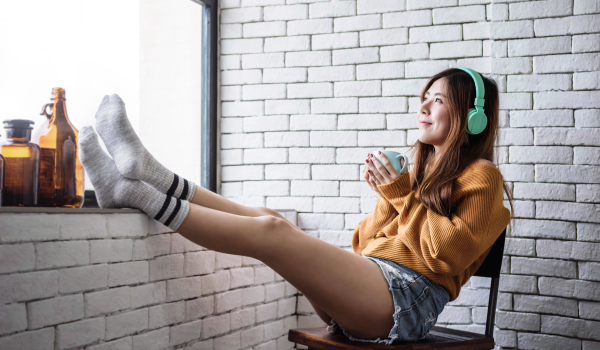
Reading instead of scrolling on your phone
-
Limiting caffeine late in the day
-
Keeping the bedroom cool and dark
Many people also spend 10–20 minutes using their favorite recovery tools before bed as part of a relaxing wind-down routine.
The objective isn't simply to reduce soreness.
It's to signal to your body that it's time to transition from stress into recovery.
The better you recover overnight, the more energy you'll likely have the following morning.
Recovery Should Fit Your Lifestyle
One mistake many people make is trying to copy the recovery routines of professional athletes.
Professional athletes often dedicate several hours each day to recovery because training is their full-time job.
For most adults, that's simply unrealistic.
Instead, build a routine that matches your schedule.
Even if you only have 30 to 45 minutes spread throughout the day, combining movement, hydration, nutritious meals, stretching, quality sleep, and practical recovery tools can have a meaningful impact over time.
Remember, recovery isn't something you do only after intense exercise.
It's an investment in how you move, feel, and live every single day.
In the next section, we'll explore advanced recovery methods—including cold water therapy, red light therapy, massage techniques, and cupping—that many active adults use to support long-term mobility and healthy aging.
Advanced Recovery Methods That Can Support Healthy Aging
Healthy recovery begins with the fundamentals—regular movement, balanced nutrition, hydration, and quality sleep. However, as more people prioritize long-term wellness, many are also exploring modern recovery technologies that can complement these healthy habits.
While no recovery device can replace exercise or medical care, certain wellness tools may help create a more relaxing recovery routine at home. The key is understanding how these methods fit into an overall healthy lifestyle rather than expecting instant results.
Red Light Therapy: One Of The Fastest Growing Wellness Trends
Over the past several years, red light therapy has become increasingly popular among athletes, physical therapists, fitness enthusiasts, and adults looking to support healthy aging.
Red light therapy uses specific wavelengths of red and near-infrared light that penetrate the skin. Researchers continue to study how these wavelengths interact with cells, particularly the mitochondria—the structures responsible for producing cellular energy.
Although research is still evolving, some studies suggest that red light therapy may help support normal cellular function, circulation, and post-exercise recovery when used consistently as part of a healthy routine.
Because treatments are non-invasive and generally relaxing, many people choose to use them while reading, meditating, or winding down after work.
Why Full-Body Recovery Matters
One common mistake is focusing only on the area that feels sore.
In reality, the human body works as a connected system.
A tight lower back may be influenced by weak glutes or stiff hips. Shoulder discomfort can sometimes originate from poor posture or tight chest muscles.
Instead of addressing only one small area, many wellness professionals recommend supporting overall circulation and relaxation throughout the body.
This is one reason why full-body recovery products such as a Red Light Therapy Mat have become increasingly popular.
Rather than targeting a single muscle group, a full-body mat allows users to comfortably relax while exposing larger areas of the body to red and near-infrared light. Many people incorporate sessions lasting 15 to 20 minutes after exercise, yoga, or even at the end of a stressful workday.
Combined with stretching and proper hydration, this routine can become a consistent part of a healthy recovery lifestyle.
Targeted Recovery For Everyday Muscle Tension
Even with full-body recovery, certain areas often need additional attention.
Adults over 40 commonly experience recurring tightness in the:
-
Lower back
-
Neck
-
Shoulders
-
Knees
-
Hips
-
Elbows
For these localized areas, targeted wellness devices may offer additional convenience.
A Red Light Therapy Belt, for example, is designed to comfortably wrap around specific parts of the body such as the lower back or abdomen. Because of its portability, many users wear it while working from home, watching television, or reading in the evening.
This allows recovery sessions to become part of everyday life instead of requiring additional time in an already busy schedule.
Combining Massage And Cupping For Muscle Relaxation
Massage has been used for thousands of years to help people relax and ease muscle tension.
Cupping therapy has a similarly long history in traditional wellness practices across many cultures.
Today, some modern recovery devices combine these concepts with red light technology into a single product.
A Red Light Therapy Cupping Device combines gentle suction with red light exposure, creating a convenient home wellness option for individuals who enjoy massage-inspired recovery techniques.
Many active adults use these devices after:
-
Weight training
-
Golf
-
Tennis
-
Long-distance driving
-
Gardening
-
Physically demanding work
Although experiences vary from person to person, combining massage, movement, and recovery practices often helps create a more comprehensive self-care routine.
Recovery Isn't Only About Muscles
Healthy aging also involves taking care of your skin and scalp.
As collagen production gradually decreases with age, many adults begin paying closer attention to long-term skin health.
Daily sun exposure, environmental pollution, stress, and lack of sleep can all contribute to visible signs of aging over time.
Alongside sunscreen, hydration, and a nutrient-rich diet, some individuals include Red Light Therapy Masks in their evening skincare routines.
Rather than replacing traditional skincare products, these devices are often used as an additional wellness practice while relaxing before bed.
Similarly, interest in scalp wellness has grown significantly over the past decade.
Maintaining a healthy scalp environment is one aspect of overall hair care, and many consumers now explore technologies such as the Red Light Therapy Cap as part of their long-term personal care routine.
These products fit naturally into a holistic wellness lifestyle that values prevention, consistency, and healthy daily habits.
Cold Water Therapy Is Making A Comeback
While red light therapy has attracted considerable attention, another recovery strategy has experienced renewed popularity: cold water therapy.
Athletes have long used cold immersion after demanding training sessions.
Today, busy professionals and wellness enthusiasts are beginning to explore cold exposure for its refreshing and recovery-focused benefits.
Cold water immersion may help reduce the sensation of post-exercise muscle soreness for some individuals and provides an invigorating experience that many people find mentally refreshing.
One challenge, however, is maintaining consistent water temperature—especially during warmer months.
This is where home systems such as the Recovery Chiller Pro become valuable.
Instead of constantly adding bags of ice, a dedicated water chiller helps maintain stable temperatures for cold plunge tubs, making recovery sessions more convenient and consistent throughout the year.
For people who regularly practice cold immersion, consistency is often far more important than intensity.
Recovery Works Best When Strategies Are Combined
No single product or technique can guarantee perfect recovery.
Instead, the best results usually come from combining multiple healthy habits into one sustainable lifestyle.
A well-rounded recovery plan might include:
-
Regular strength training
-
Daily walking
-
Mobility exercises
-
High-quality sleep
-
Adequate protein intake
-
Proper hydration
-
Stress management
-
Stretching
-
Occasional massage
-
Red light therapy sessions
-
Cold water immersion when appropriate
Each habit contributes a small piece to the bigger picture.
Over weeks, months, and years, these small daily investments can help support mobility, maintain physical function, and improve overall quality of life.
Recovery is not about finding a miracle solution.
It's about creating an environment where your body has the best opportunity to perform, repair, and adapt naturally.
In the final section, we'll bring everything together with a complete weekly recovery schedule, practical tips for staying consistent, common mistakes to avoid, and simple ways to build a sustainable home wellness routine that lasts for years.
A Simple Weekly Recovery Plan You Can Actually Follow
One of the biggest reasons people struggle with recovery is trying to do too much at once.
Instead of spending hours every weekend trying to "catch up," focus on building small habits that become part of your daily lifestyle.
Here's an example of a simple weekly recovery schedule.
| Day | Recovery Focus |
| Monday | Strength training, stretching, hydration, Red Light Therapy Mat |
| Tuesday | Walking, mobility exercises, quality sleep |
| Wednesday | Light resistance training, Red Light Therapy Belt for targeted muscle recovery |
| Thursday | Yoga, foam rolling, breathing exercises |
| Friday | Full-body recovery session, Red Light Therapy Mat, relaxation |
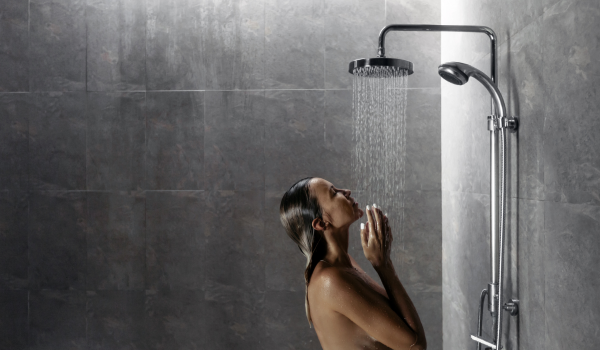
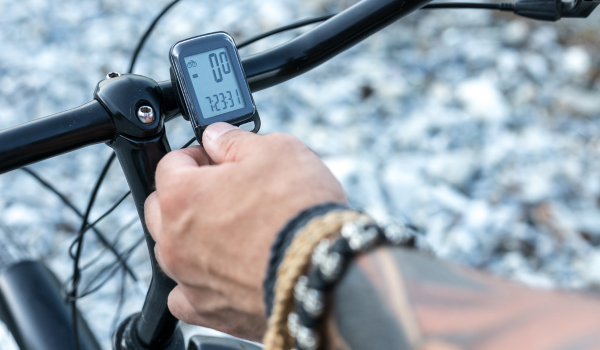
| Saturday | Outdoor activities, swimming, cycling, or hiking followed by Recovery Chiller cold plunge if desired |
| Sunday | Active recovery, stretching, massage, Red Light Therapy Cupping Device |
Remember, consistency matters far more than perfection.
Even if you miss a day, simply return to your routine the next day.
Common Recovery Mistakes To Avoid
Many adults unknowingly slow their own recovery by making a few common mistakes.
Ignoring Sleep
No recovery tool can replace poor sleep.
Aim for seven to nine hours of quality sleep whenever possible.
Training Too Hard Every Day
More exercise isn't always better.
Your muscles become stronger during recovery—not during the workout itself.
Include at least one or two lighter activity days each week.
Not Eating Enough Protein
Protein provides the amino acids needed for muscle maintenance and repair.
Many adults over 40 benefit from distributing protein intake evenly throughout the day rather than consuming most of it at dinner.
Forgetting Hydration
Even mild dehydration can affect physical performance and recovery.
Keep water nearby throughout the day and drink more during hot weather or after exercise.
Depending On One Solution
Recovery is never about finding a miracle product.
The most effective approach combines:
-
Regular exercise
-
Balanced nutrition
-
Good sleep
-
Stress management
-
Mobility training
-
Appropriate recovery tools
Each piece supports the others.
Creating A Home Wellness Space
You don't need an elaborate home gym to prioritize recovery.
Many people find that creating a small wellness corner encourages consistency.
A comfortable chair, yoga mat, foam roller, resistance bands, and a few carefully selected recovery devices can transform an unused corner of your home into a relaxing recovery space.
Some people enjoy combining multiple recovery practices into one evening ritual:
-
Five minutes of stretching
-
Ten minutes of breathing exercises
-
Fifteen to twenty minutes using a Red Light Therapy Mat
-
Reading a book instead of scrolling through social media
-
Going to bed at a consistent time
Small routines practiced consistently often produce greater long-term benefits than occasional intensive recovery sessions.
Recovery Is An Investment In Healthy Aging
Healthy aging isn't simply about living longer.
It's about maintaining the ability to move comfortably, enjoy hobbies, travel, exercise, play with grandchildren, and remain independent for as many years as possible.
Every healthy choice you make today contributes to how you'll feel years from now.
Walking regularly.
Eating nutritious foods.
Strength training.
Getting enough sleep.
Managing stress.
Supporting recovery after physical activity.
None of these habits produce overnight results.
However, together they create a foundation for better physical function, improved mobility, and a higher quality of life.
Technology Can Support Healthy Habits
Modern recovery technology continues to evolve, giving people more options to care for their bodies at home.
Products such as the Red Light Therapy Mat, Red Light Therapy Belt, Red Light Therapy Mask, Red Light Therapy Cap, Red Light Therapy Cupping Device, and Recovery Chiller Pro are designed to complement—not replace—the fundamentals of healthy living.
When combined with regular exercise, nutritious eating, adequate hydration, and restorative sleep, these wellness tools may help create a more enjoyable and consistent recovery routine.
The most important step is choosing a routine that fits your lifestyle and following it consistently.
Final Thoughts
Recovery isn't a luxury reserved for elite athletes.
It's an essential part of maintaining health, mobility, and energy throughout every stage of life.
After the age of 40, taking time to recover becomes just as important as the exercise itself.
Whether your goal is to stay active with your family, continue enjoying your favorite sports, reduce everyday muscle tension, or simply wake up feeling refreshed, building a sustainable recovery routine is one of the best investments you can make in your long-term health.
Start with the basics.
Move your body every day.
Prioritize sleep.
Eat well.
Stay hydrated.
Manage stress.
Then, if you choose, explore evidence-informed wellness technologies that fit naturally into your routine.
Your future self will thank you for every healthy habit you begin today.
Frequently Asked Questions
How long should a daily recovery routine take?
For most adults, 30 to 60 minutes spread throughout the day is enough to build effective recovery habits. Short sessions of stretching, walking, mobility work, and relaxation are often more sustainable than long workouts.
Can I use red light therapy every day?
Many commercially available devices are designed for regular home use according to the manufacturer's instructions. Follow the recommended session duration and consult a healthcare professional if you have medical concerns or specific health conditions.
Is cold water therapy suitable for everyone?
Cold immersion is not appropriate for everyone. People with cardiovascular disease, uncontrolled high blood pressure, certain circulation disorders, or other medical conditions should speak with a healthcare professional before beginning cold water therapy.
Do recovery tools replace exercise?
No. Recovery technologies are intended to complement healthy habits. Regular physical activity, balanced nutrition, quality sleep, and stress management remain the foundation of long-term health and wellness.
Disclaimer: This article is for educational purposes only and should not be considered medical advice. Recovery technologies, including red light therapy and cold water immersion, are not intended to diagnose, treat, cure, or prevent any disease. Always consult a qualified healthcare professional before beginning any new exercise program or wellness therapy, especially if you have underlying medical conditions.

.png)
.png)
.png)



.png)
.png)
.png)
.png)
.png)



.png)





.png)
.png)
.png)



.png)
.png)
.png)
.png)
.png)
.png)
.png)
.png)
.png)



.png)

.jpg)